Are We Ungovernable?
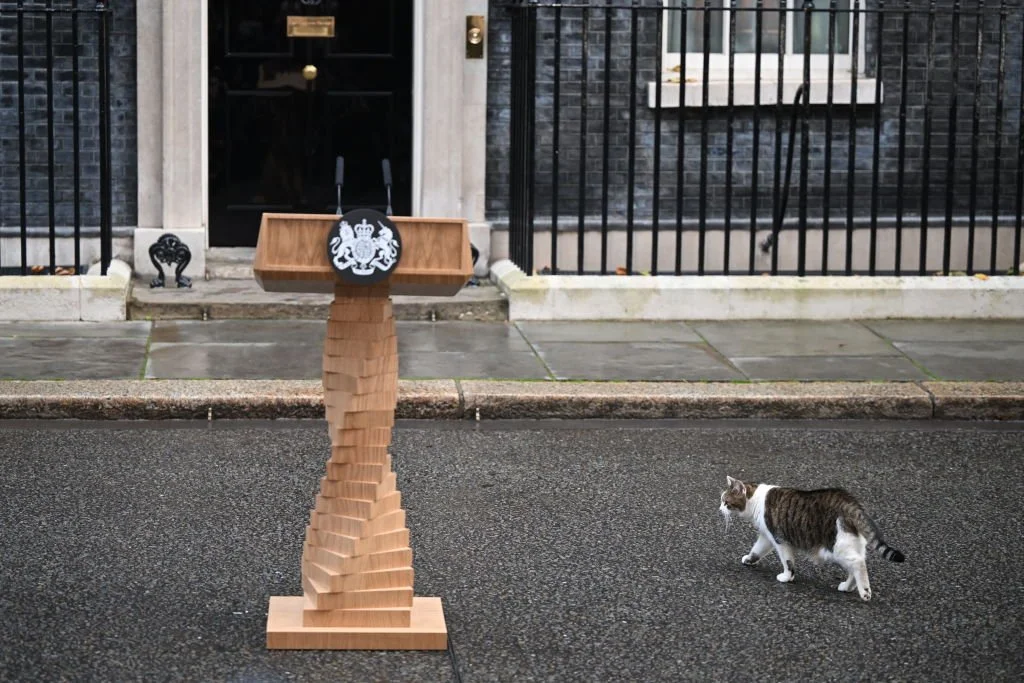
There is a phrase doing the rounds in British politics at the moment: ungovernable. It’s everywhere in newspaper columns, polling, podcasts and Westminster gossip.
Why does Britain keep burning through prime ministers? Why does every leader arrive promising seriousness and renewal, only to end up trapped between public anger, institutional drag, impossible trade-offs and their own collapsing authority?
It is tempting to think that question belongs only to politics, but it doesn’t.
Because if you want an oddly revealing version of the same problem, look at our volunteer-led sport.
Look at club committees. Look at section committees. Look at the people who step forward, give up their evenings and weekends to try to improve something they care about, and then walk away battered, exhausted and wondering why they bothered.
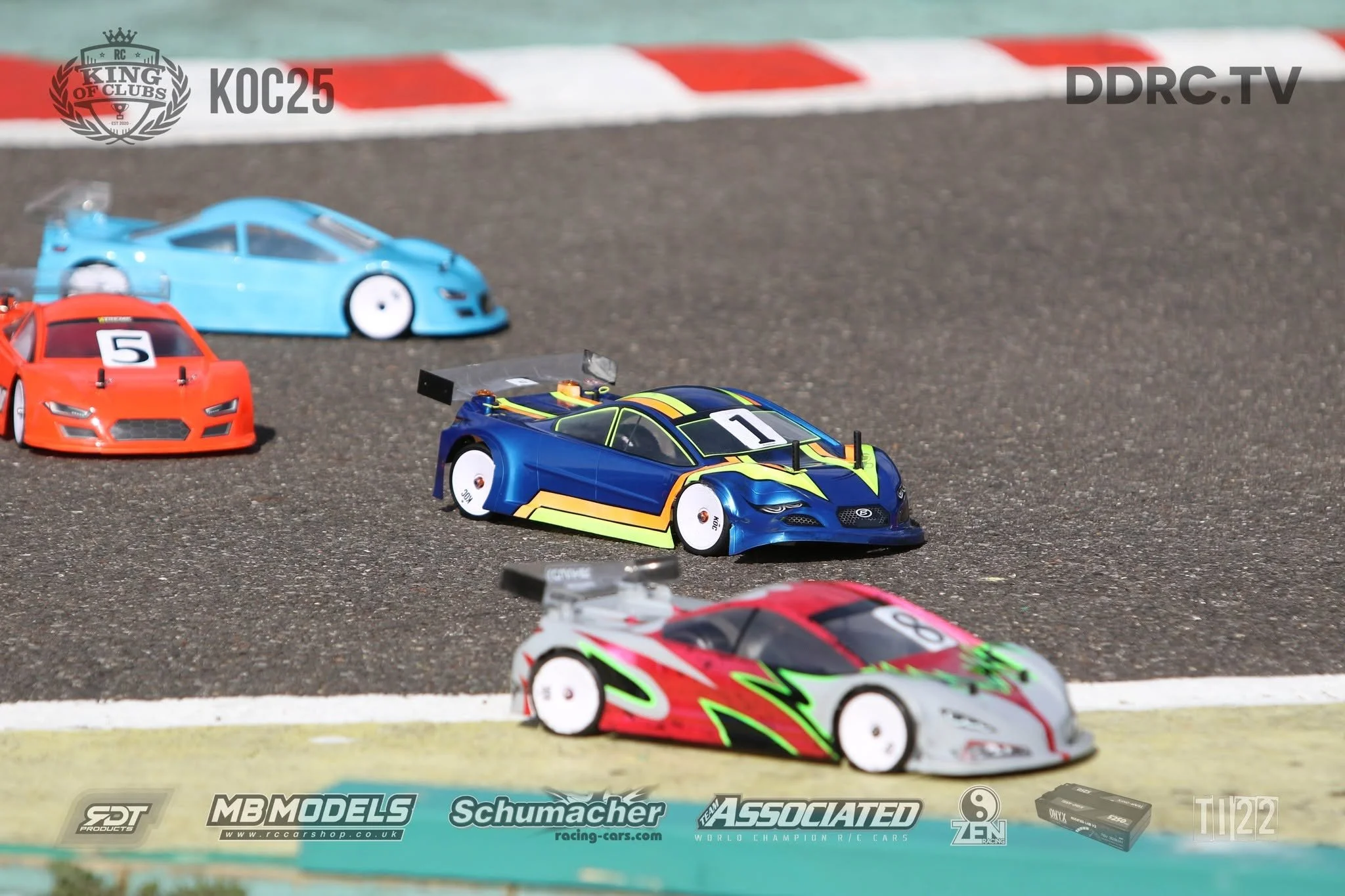
In 2025, the BRCA 10th Electric section went through a leadership crisis. The chair and vice chair stepped back, as did most of the rest of the committee, citing the impossibility of doing the job and the relentless nature of the gripes, criticisms and arguments around them. Only three years earlier, a previous committee had also reached the point of disengagement and had enough.
And now, barely three race meetings into the new regime, the newly elected chair Richard Moore-Harris has stepped down with immediate effect.
His public statement was striking because it was not political or angry. It was not written like someone trying to settle scores. It read like someone who had simply run out of emotional road.
He wrote that he had been trying his hardest to keep everyone happy and keep racing what it should be: fun. He said the role had started to affect how he felt about racing himself, to the point where “the mojo is fading.” He apologised for “letting you all down” and handed over to Steph.
That apology is the bit that should make us feel uncomfortable.
Because what has actually happened here? A volunteer stepped forward to chair a national section of an amateur motorsport. He tried to improve things. He found himself caught between rules, expectations, suspicion, criticism and the impossible task of keeping everyone happy. Then, when it became too much, his instinct was to apologise.
Those close to the situation understand that the final straw related to backlash after proposed scrutiny around spec motors. That detail matters, not because we need to litigate the technical issue here, but because it captures the wider governing problem perfectly.
If a committee cannot even raise questions of rule enforcement, scrutiny or fairness without provoking a level of backlash that makes the chair question whether he wants to be involved in racing at all, then the issue is no longer just about motors, rules or scrutineering.
It is about trust.
And when trust collapses, every act of governance becomes suspect.
A rule check becomes an accusation. A proposal becomes an agenda. A decision becomes a stitch-up. A volunteer becomes a target.
That is when organisations become impossible to lead.
The easy interpretation is always personal. This chair was wrong. That committee failed. Those decisions were poor. The wrong people were in post. The structure was outdated. The classes were wrong. The Nationals were wrong. The calendar was wrong. The rules were wrong. The communication was wrong.
Some of that may even be true.
But when the same thing keeps happening to different people, year after year, the problem is probably not just the people. It is the system they are being asked to operate.
And that brings us back to the bigger question.
Are we ungovernable?
Not in the dramatic sense. Not in the “country collapsing” sense. Not in the pub-bore, end-of-days, everything-was-better-back-in-the-day sense, but in a quieter, more corrosive way.
Perhaps we have become very good at wanting things, very good at criticising the people responsible for delivering them, and very poor at accepting the compromises, limits and shared responsibility that governing anything actually requires.
Politics is the obvious example. We want better public services, lower taxes, higher wages, cheaper housing, secure borders, faster growth, stronger defence, less disruption, more local control, more national competence and leaders who speak honestly — but not too honestly if the truth involves sacrifice or compromise.
We want change, but we don’t want the disruption of change.
We want leadership, but we don’t trust leaders.
We want decisions, but we want every decision reopened when it affects us personally.
That is a cultural problem. And in a hobby like RC racing, it shows up just the same.
Racers want big events, but low entry fees. Better tracks, but no increase in club costs. Professional presentation, but volunteer labour. Clear rules, but flexibility when they need it. Strong leadership, but constant consultation. Change, but only the changes they already agree with. Stability, but also innovation. A national calendar, but no clashes. Fewer classes, as long as it includes their class. Better promotion, better race direction, better commentary, better media, better facilities, better everything.
And the people expected to deliver all of this are unpaid volunteers doing it after work, around family life, while also trying to race themselves, for the love of the sport.
Across community sport, this is becoming a serious problem. The modern volunteer is expected to be administrator, safeguarding officer, complaints handler, event organiser, finance manager, social media manager, welfare lead, commercial thinker, rules expert, diplomat and emotional punchbag.
That might be just about tolerable when the sport is thriving, the mood is positive and the workload is shared, but it becomes intolerable when numbers and money is tight, facilities are fragile, and every decision is interpreted through suspicion.
That seems to be where 10th Electric has found itself for a number of years now.
One committee steps away exhausted. Another team comes in with a mandate to reset things. Then the next chair steps down only three meetings into the new era because the job is already damaging his enjoyment of the sport.
The 10th Election Section is not impossible to lead because no good racer, organiser or committee member exists. Plenty of good people have stepped forward. The issue is that they inherit a culture of high expectations, contested authority, limited resources, and the permission to make hard decisions is weak.
So what is the answer?
The easy answer is to try again. A new committee. Some different/better/clearer rules. Bigger and better events. More professional promotion.
All of that may help.
But history will just repeat itself for a new committee if the culture underneath it is broken.
Sports governance is not customer service by another name, and when an amateur sport stops being fun for the people giving the most to it, something has gone badly wrong. The real question is whether the people inside the sport are prepared to make leadership possible. Because that is where a lot of member organisations get stuck.
The racer pays their membership, pays their entry fee, turns up at the meeting and quite reasonably expects a decent experience. Fair enough. But a member-led sport is not the same thing as buying a ticket to a show. You are not just a customer. You are part of the thing. You are the thing.
That means the health of the organisation is not somebody else’s problem. It’s not “the committee”. It’s not “the BRCA”. It is not just the latest racer who was brave, daft or public-spirited enough to put their name forward at the section conference.
Our sport, like any sport, cannot keep asking people to lead while making leadership emotionally and practically impossible.
It is all of us. Together.
That does not mean members should stop challenging decisions. They shouldn’t. Rules matter. Scrutineering matters. Fairness matters. Bad decisions should be questioned. Committees should explain themselves. If people are asking for trust, they have to earn it.
But there is a difference between challenge and corrosion.
Challenge says: I think this is wrong, and here is why.
Corrosion says: I assume you are wrong before you start.
Challenge deals with the decision.
Corrosion goes after the person.
Challenge tries to improve the sport.
Corrosion slowly convinces every half-sensible volunteer that life is too short.
And that is the danger. Not a dramatic collapse. Not one big argument that kills the thing overnight. Just a steady wearing down of the people prepared to do the work, until the only people left are the ones shouting from the sidelines.
That is the real meaning of ungovernable.