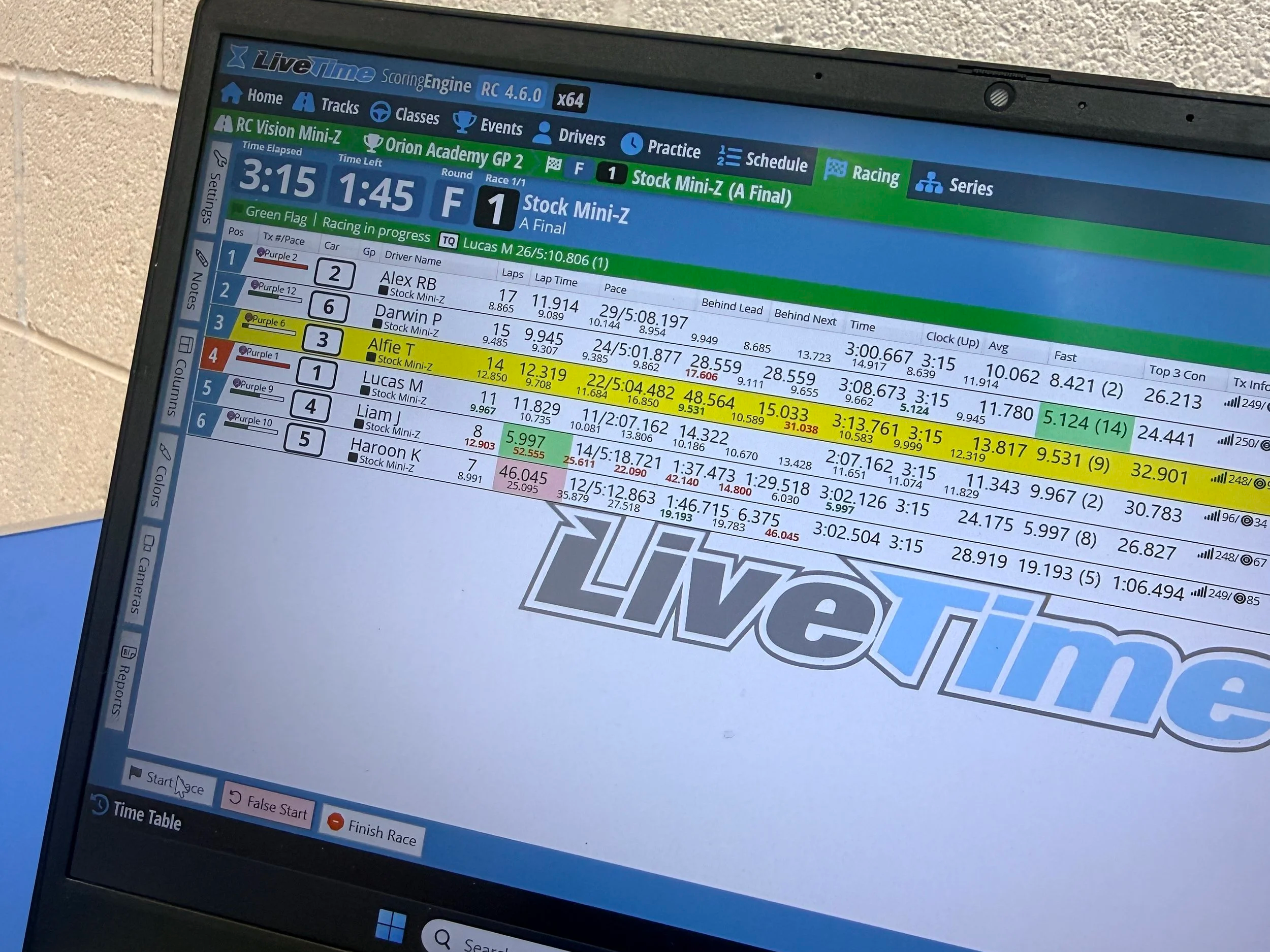
What Makes an RC Car Go Faster? The Answer Isn't Speed.
When people first see RC Vision, they notice the racing. What they don't see is that every race is a personal experiment — a young person testing a hypothesis against their own baseline. How measurement turns racing into engineering, why "did I improve?" beats "did I win?", and what our SEND schools work taught us about truly inclusive STEM.
Payment by Results in FE: a System Shift Dressed Up as a Funding Reform
Alan Milburn is floating outcomes-based funding for further education colleges. The intuition is reasonable — but we've run this experiment before. Payment by results in UK welfare-to-work and careers IAG concentrated money in a handful of large primes, designed cherry-picking into the system, and quietly shifted the purpose of the whole skills system away from the young person and towards the metrics that triggered payment. Drawing on a decade of running outcomes data for IAG providers, on Carter & Whitworth, on Leadbeater & Winhall's systems thinking, and on the McNamara fallacy, here's why a PbR future for FE would be an extinction event for the providers Milburn most needs to back.
Keywords: Payment by results FE, Milburn review outcomes funding, outcomes-based funding colleges, McNamara fallacy public services, Leadbeater Power to Shift a System, creaming and parking, Work Programme PbR

Milburn's Review on NEET Young People: Why Welfare Reform Alone Won't Fix It
Alan Milburn's interim review on young people and work is right about the scale: more than a million 16–24 year olds are now NEET. It's right about the causes: thinned labour-market entry routes, rising mental ill-health, and a school system already losing the children most at risk by 14. The framing now hardening around it — that this is fundamentally a welfare reform problem — is where we'd push back. 84% of NEET young people already say they want to work or train. The barrier is not motivation; it's identity, belonging and trust. Here's what the autumn recommendations need to do, and why informal STEM has to be in the room.
Milburn review, NEET young people, youth inactivity UK, STEM identity, informal learning, welfare reform young people, youth unemployment 2026
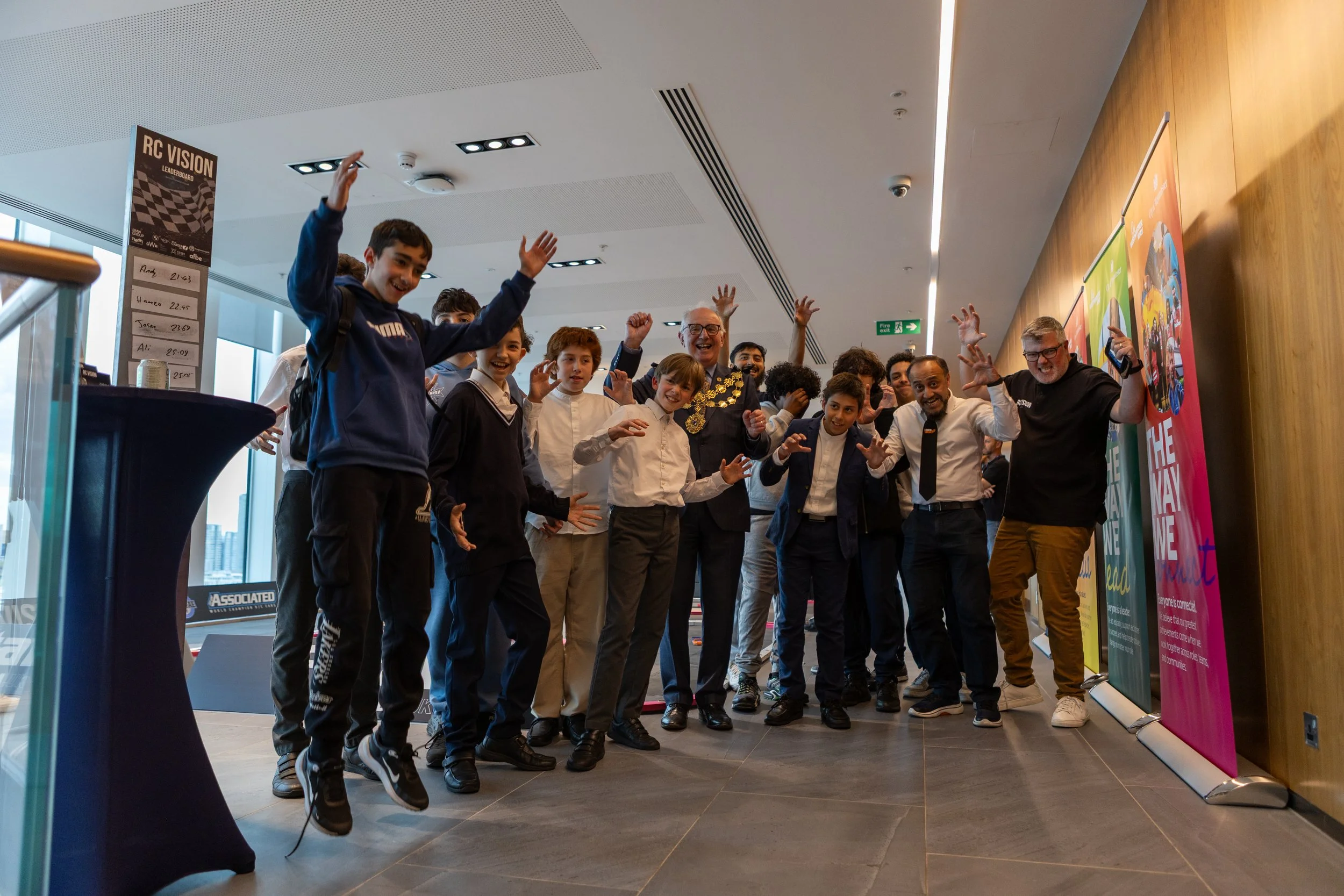
What We Witnessed at Westminster City Hall — and Why It Matters
The 2025 Youth Voice Census shows a generation managing expectations down, not up. But at Westminster City Hall, we witnessed the counterargument: young people whose relationship with their own capability had been transformed — not by inspiration, but by mastery. Here's what the evidence says about the skills young people actually need, and what we saw when the Lord Mayor of Westminster hosted a live RC racing circuit inside City Hall.

The Young People Missing Between the Headlines
This week, watching young people prepare for Mini Masters, I found myself thinking about three very different stories about young people and opportunity.
There’s the headline about access — more than 1 in 7 young people now live within a 35-minute walk of a newly funded youth centre. There’s the academic evidence showing that participation in STEM is shaped by identity and belonging, not just ability. And there’s the lived reality we see every day: young people quietly building confidence, agency and belief in spaces where they choose to participate.
All of these stories are true. But between them sits a large group of young people who rarely feature in headlines — not in crisis, not exceptional, not counted in success metrics. This article explores why that “quiet middle” matters, why narrative shapes what we measure and fund, and why upstream, informal learning environments like Mini Masters are about far more than racing.
Because the young people missing between the headlines are not a rounding error. They are the future.

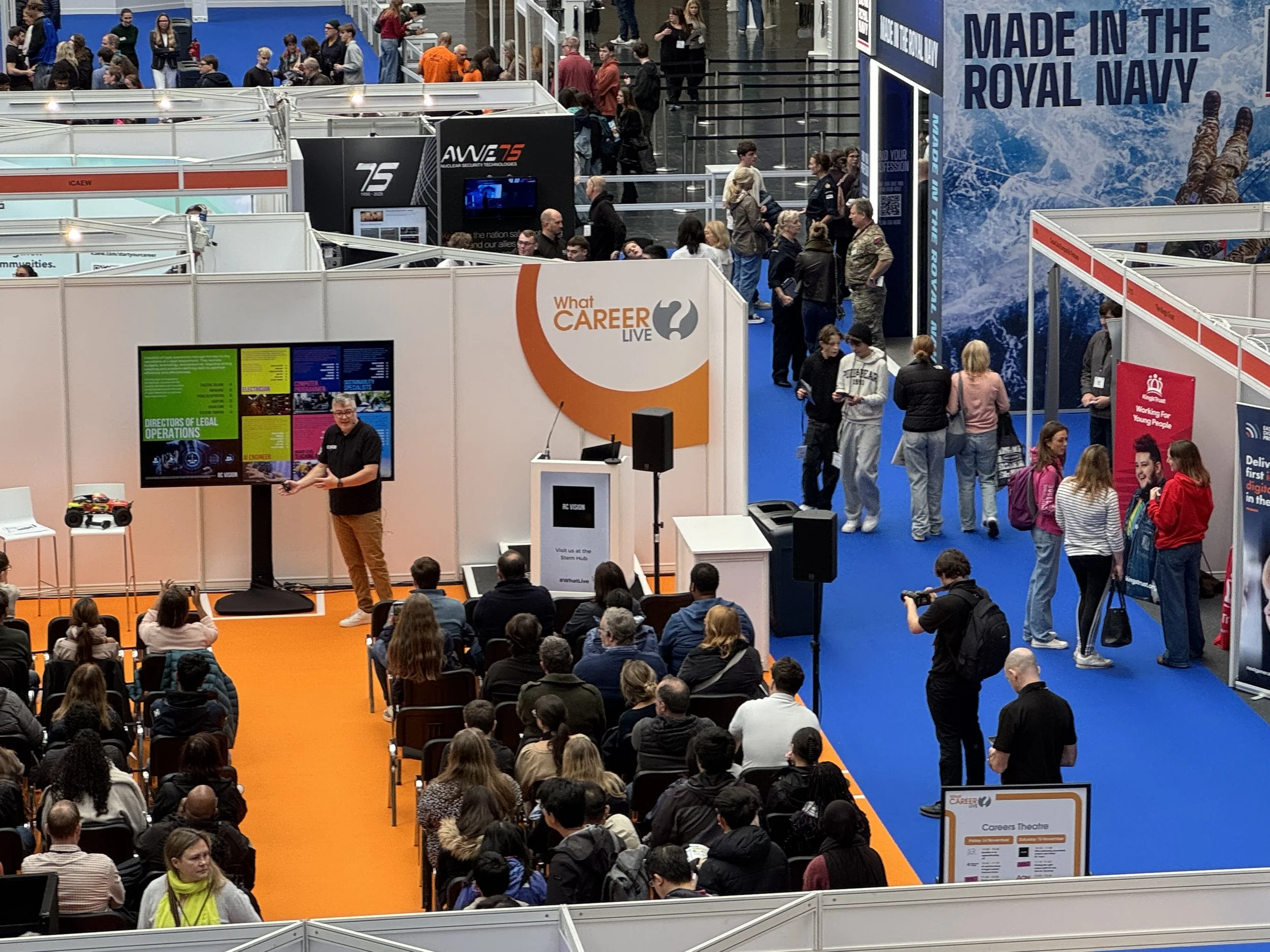
What Career Live: Why ‘I Don’t Know’ Might Be the Most Powerful Answer of All
At What Career Live, RC Vision challenged the myth that young people need a perfect career plan. In a fast-changing world shaped by AI and the green transition, “I don’t know yet” can be a powerful starting point. Today’s keynote explored how hands-on STEM experiences help young people discover their strengths, build confidence, and navigate the future with resilience.
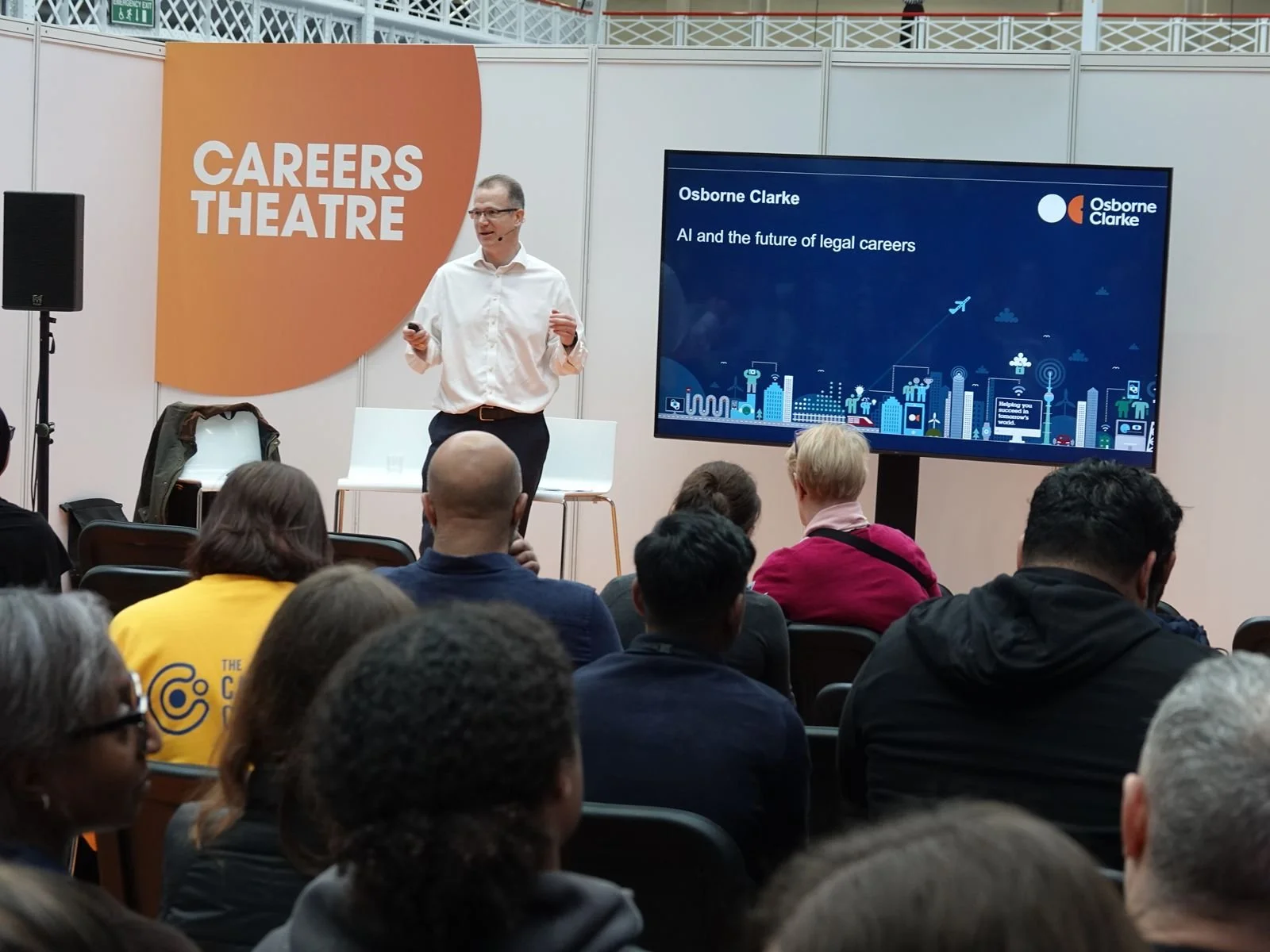
Will Gunston, Osborne Clarke, and Why Young People Still Matter in the Future of Law
At What Career Live today, Osborne Clarke Partner Will Gunston delivered a standout keynote on the future of legal careers. Speaking with honesty and clarity, he explained how AI is transforming the profession — and why human skills like judgement, negotiation, and ethical reasoning still matter. His message echoed RC Vision’s mission: young people who develop strong thinking habits will thrive in the future of work.

Why UK Physics Needs a Rescue Plan—and What That Means for STEM Futures
One in four English secondaries lack a specialist physics teacher, while a quarter of UK university physics departments fear closure. This piece sets out a practical rescue plan—keep and grow specialists, shore up labs, and link classroom physics to hands-on community learning.

Different minds, better engineering: what we’re learning from neurodiverse YOUNG PEOPLE
In our workshops and summer camps we keep seeing the same pattern: many neurodivergent young people operate in “engineering mode”—mapping systems, spotting anomalies and iterating fixes—while school often rewards single right answers. This short read shares what we’re noticing, why it matters for the future of STEM careers, and how we’re adapting our practice so every mind gets to engineer.
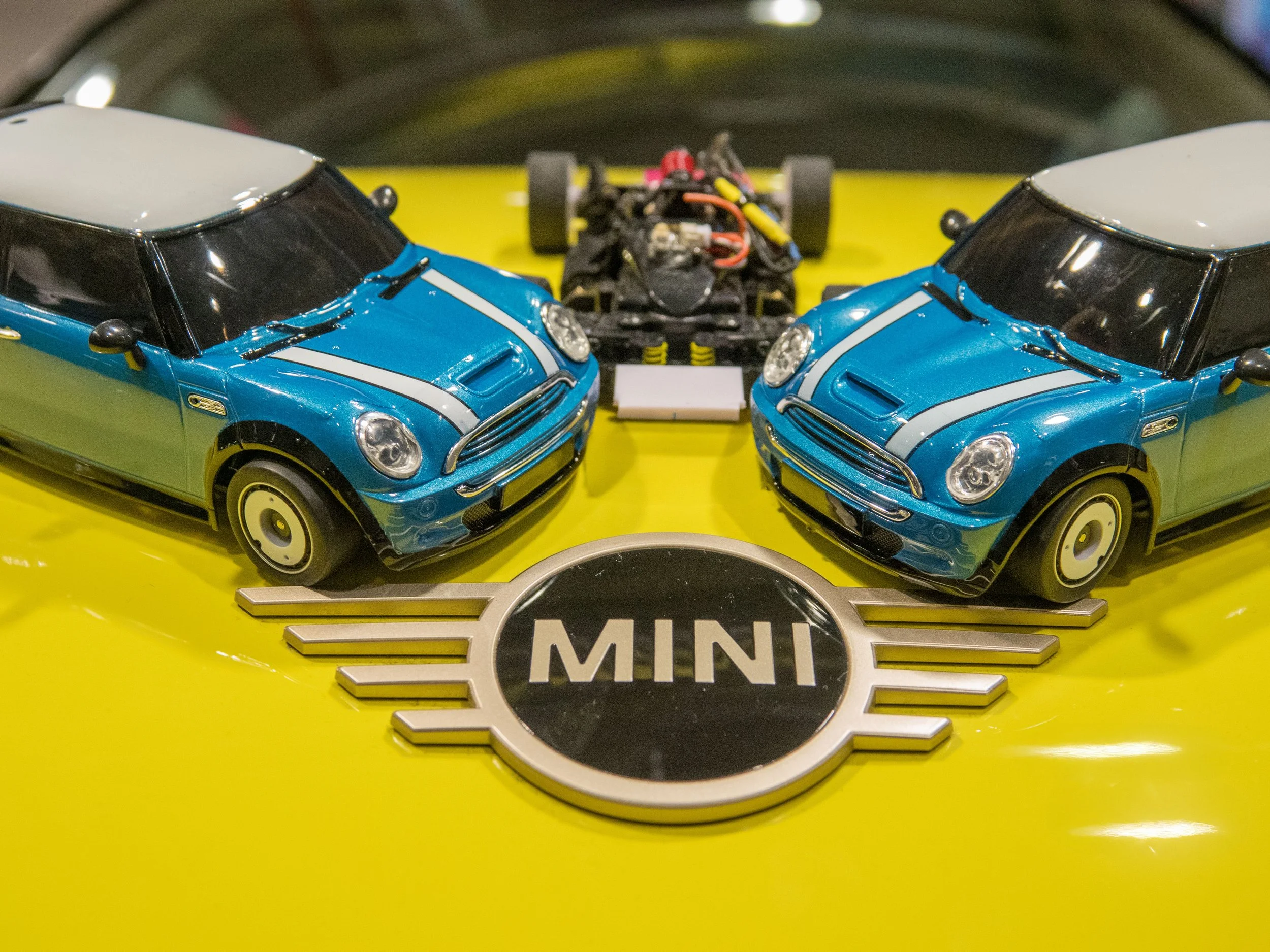
Foundation Apprenticeships Need an On‑Ramp: Start with Play, Purpose and Local Employers
The policy is sound—but the on-ramp is missing. RC Vision’s community clubs plus BMW Group Plant Oxford create a practical pathway: try, test, and improve before day one. Prepared entrants, real employer engagement, and clear progression—turning interest into careers.

Outdoor Play Is Not a Nice-to-Have. It’s a Public Health and Skills Strategy.
Outdoor play isn’t a nice-to-have; it’s a public health and skills strategy. New research shows it boosts confidence, self-regulation and teamwork. Protect time and space for play, and pair national frameworks with local clubs—like RC car racing—to keep curiosity alive.

Turning resits into relevance: powering post‑16 success with applied STEM
A-level and GCSE headlines hide a deeper issue: resits don’t equal readiness. We argue for targeted, applied maths—taught through real projects—aligned with EU STEM goals and the realities of AI-shaped work. Pair policy with community-based learning and you get what matters: confidence, progression and a pipeline that keeps pace with change.

Scotland Just Made CREST Awards Free— That’s a Big Deal for STEM
Scotland has removed fees for CREST Awards, opening inquiry-led STEM projects to every young person aged 3–19. It’s a simple, inclusive change that boosts confidence, keeps curiosity alive, and links classroom learning with community-based practice.

UK A-Level STEM Surge: Good News—But We Need to Move Faster
UK A-level STEM entries are rising—good news for the pipeline. Set against EU 2030 goals and the pace of AI-driven change, the takeaway is clear: celebrate the uptick, but double down on progression, hands-on learning, and inclusive routes.

Youth Tech Fest: How a Young Person’s Curiosity Is Fuelling Global STEM Inclusion
Youth Tech Fest grew from a child’s curiosity into a free, community-rooted STEM festival. By removing barriers and prioritising play, it demonstrates how hands-on events can ignite confidence, widen participation, and create real pathways into STEM.

Expanding AI & Robotics in UK Schools for Hands-On STEM Learning
The Department for Education’s expansion of its AI & Robotics Pilot to 50 more UK secondary schools underscores a commitment to immersive STEM learning. Paired with community‑based workshops like RC Vision’s RC car labs, it bridges classroom theory and real‑world skills.
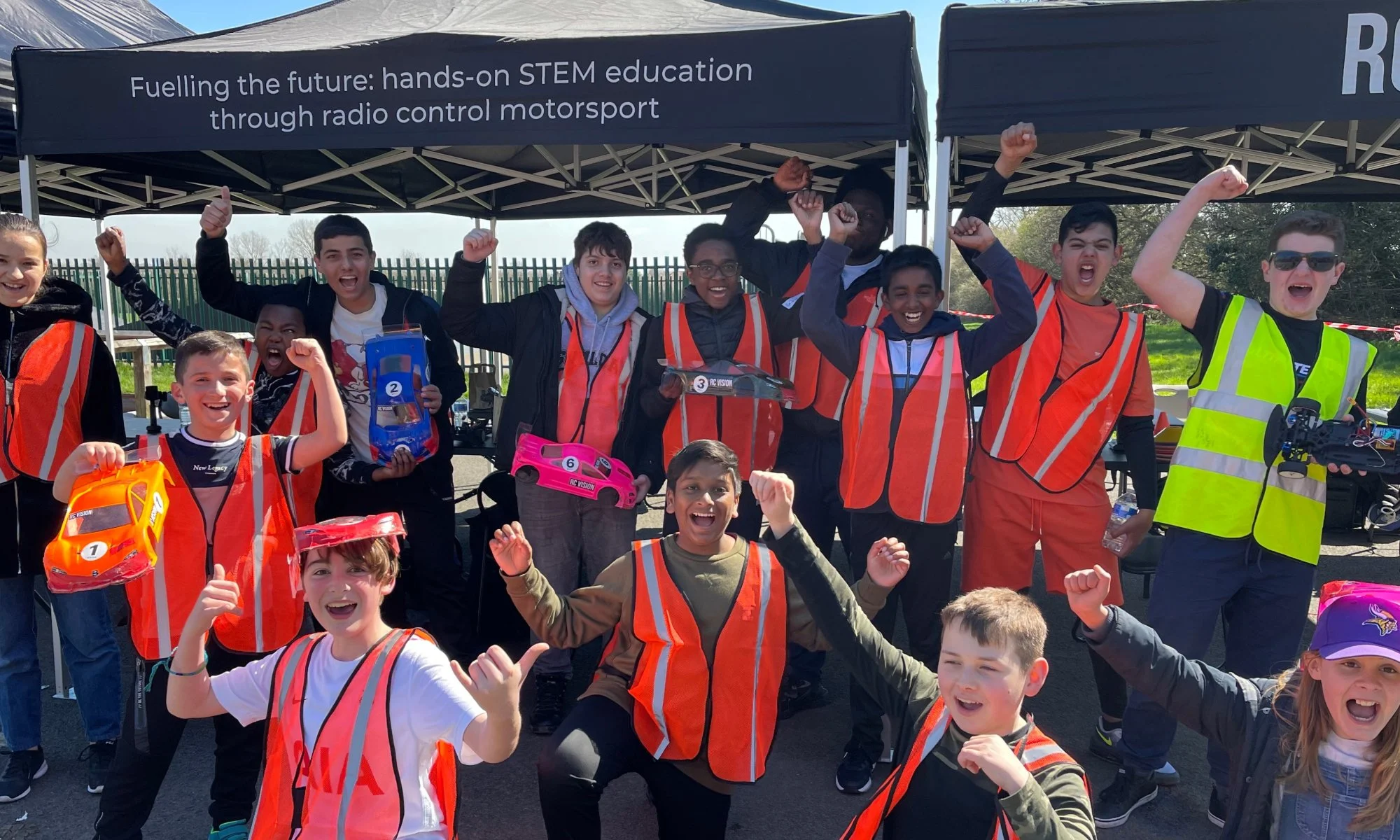
Rethinking STEM Education: How TO Forge an Inclusive, Hands-On Pipeline
Discover why community makerspaces and hands-on workshops are essential to modern STEM education, preparing students for real-world careers by cultivating creativity, collaboration, and resilience.

Women in Engineering: Progress, Barriers & the Role for Hands‑On STEM Experiences
With women now occupying 16.9% of UK engineering roles, progress is clear—but barriers remain. Discover how targeted programmes and hands-on RC car workshops cultivate the confidence and skills needed to close the gender gap.

UK Defence SPENDING: Why This Sector Is Becoming a Magnet for STEM Talent
Driven by rising defence budgets and AI investments, the UK’s defence sector is rapidly expanding STEM career paths. Learn how this surge, combined with RC Vision’s motorsport-inspired mindset training, equips students with critical skills for high-stakes engineering roles.