When King of Clubs Became a Film
A glorious day at Eastbourne brought back memories of an ambitious attempt to capture the hidden drama of RC racing.
Eastbourne looked magnificent this last weekend.
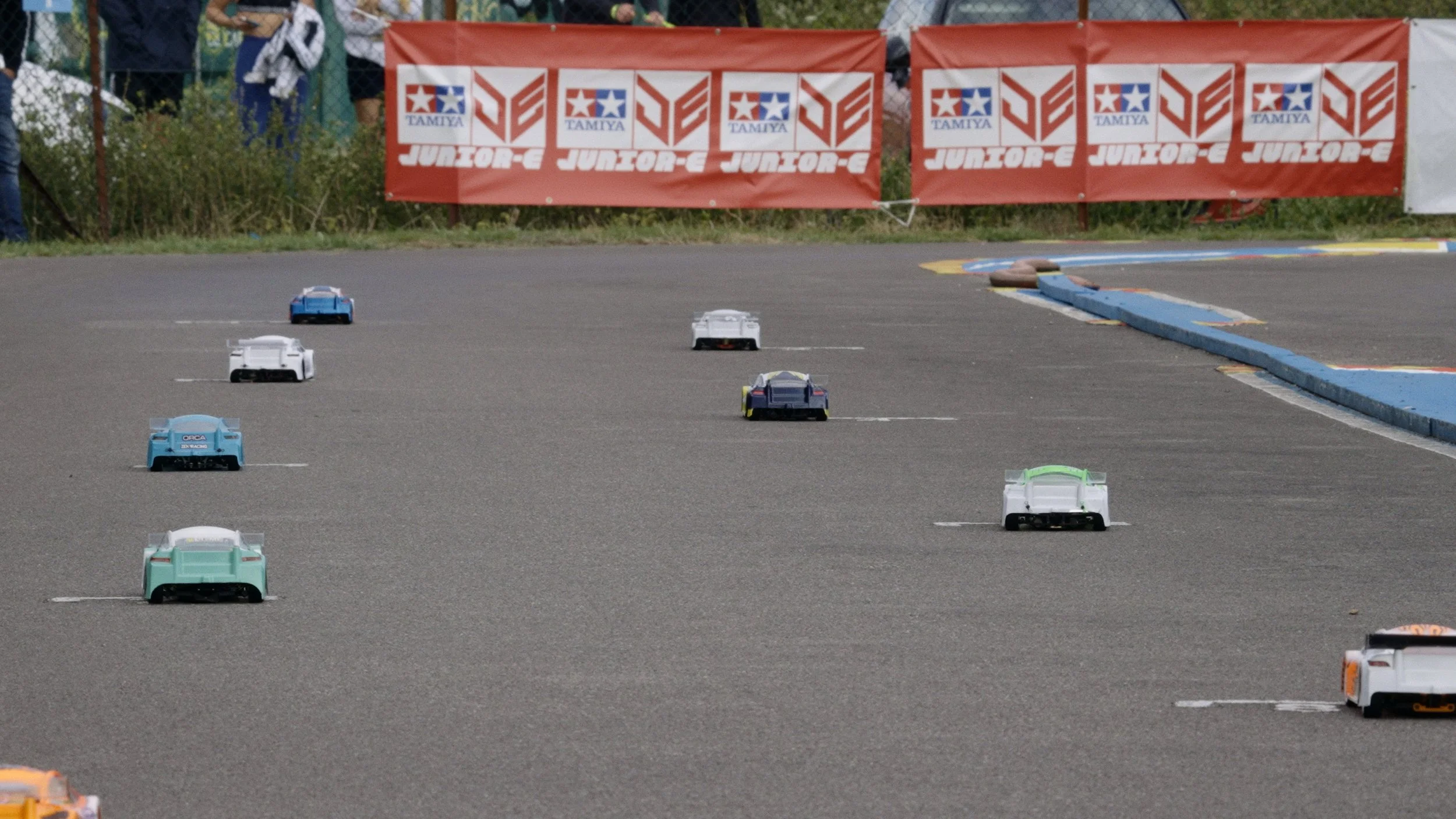
Under a brilliant blue sky, the circuit was framed by banners, gazebos and racers. Racers moved between the track, rostrum and pits. Volunteers kept the meeting running.
It was King of Clubs 2026, Round 3, and the venue looked every bit like the home of a serious RC racing championship.
For me, being there brought back memories of another King of Clubs visit to Eastbourne, five years earlier.
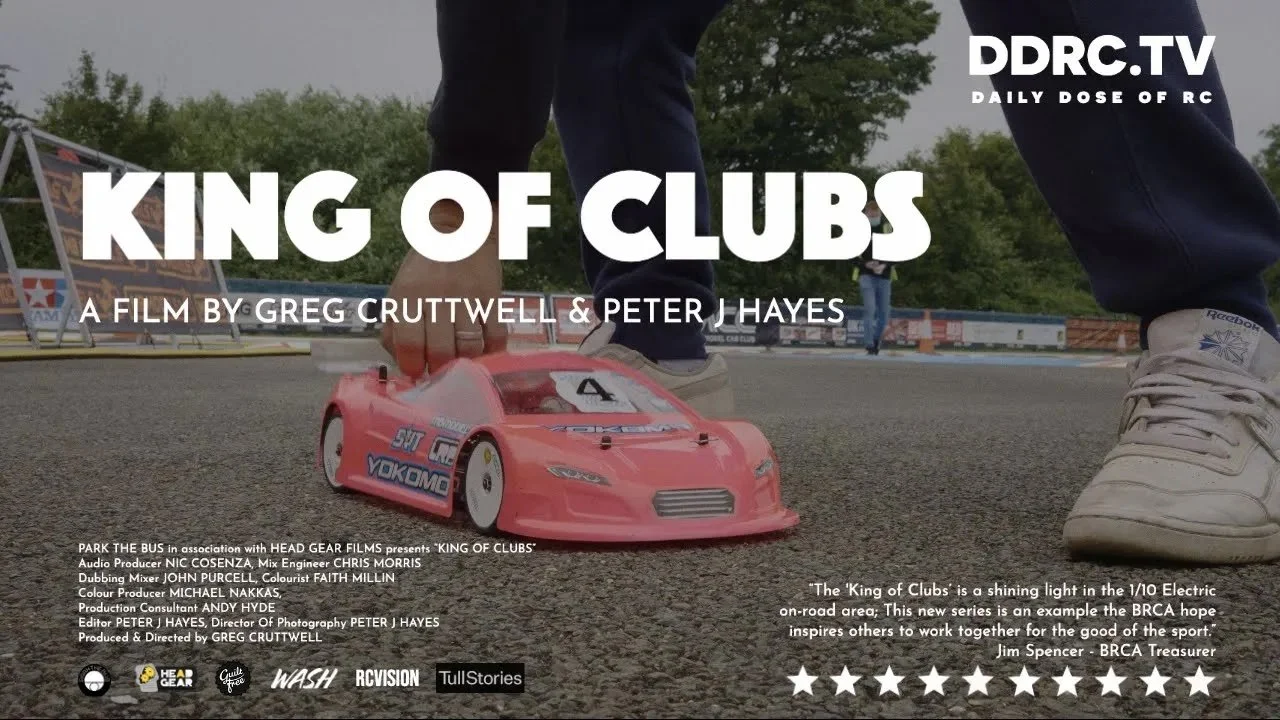
In 2021, we were not just running a race series. We were trying to make a film.
Not a conventional race video. Not simply a collection of overtakes, crashes and results. We wanted to produce something cinematic: a short documentary that would present radio-control car racing as outsiders had rarely seen it before.
Fast. Technical. Emotional. Occasionally fractious. And deeply human.
A chance discovery at Brooklands
The story began during Covid 19, when photographer and filmmaker Peter Hayes contacted the British Radio Car Association.
Peter had been walking near Brooklands when he came across its radio-control racing circuit. He saw the cars running and became fascinated by what he had stumbled upon.
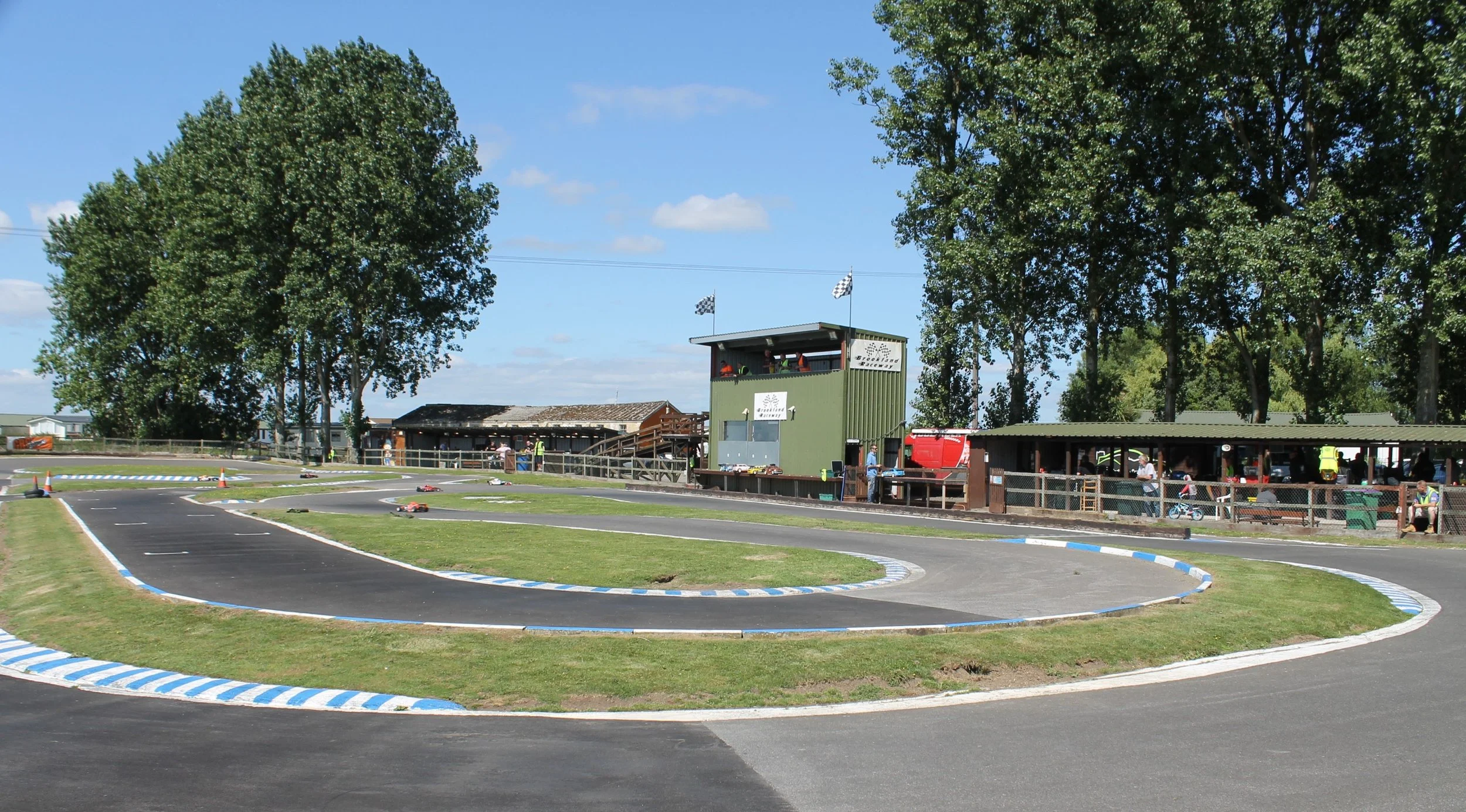
Brooklands RC Circuit in Kent
Here was a largely hidden form of motorsport taking place in miniature.
The cars were small, but the speed was real. The technology was sophisticated. The commitment of the competitors was unmistakable.
Chris Jeffries received Peter’s approach and thought of me and the King of Clubs. We were based in the South East, and were building a reputation for promoting RC racing differently, and we already believed that the sport deserved to be presented with more ambition.
Chris made the introduction. Peter and I immediately hit it off.
We shared similar ideas about cinematography and about the possibilities of telling the story of a niche community sport. RC racing might not possess the obvious glamour of Formula One or international motorcycle racing, but look closely and it contains many of the same ingredients.
There is technology and precision. Speed and pressure. Rivalry and camaraderie.
There are volunteers working to hold an event together, racers working late into the night and tiny setup changes that can transform a car. There are victories that mean far more than an outsider might understand — and defeats that matter even more. There are disagreements, tantrums and tensions. In other words, there are people.
That was the film we wanted to make.
Finding the story
Together, we developed a summary pitch. We went to Eastbourne for an early season preproduction shoot to experiment with what cinematic meant in our world of RC racing.
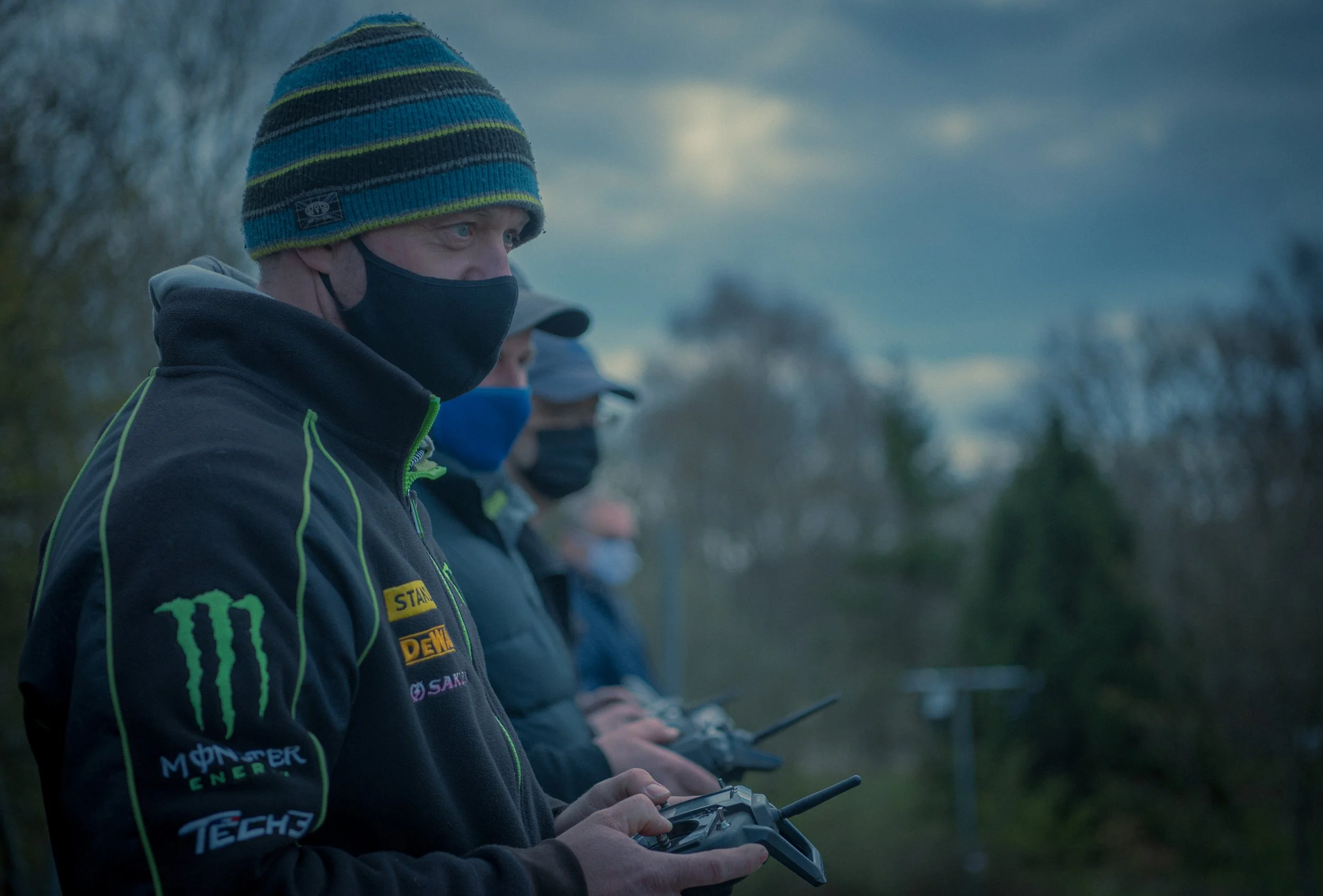
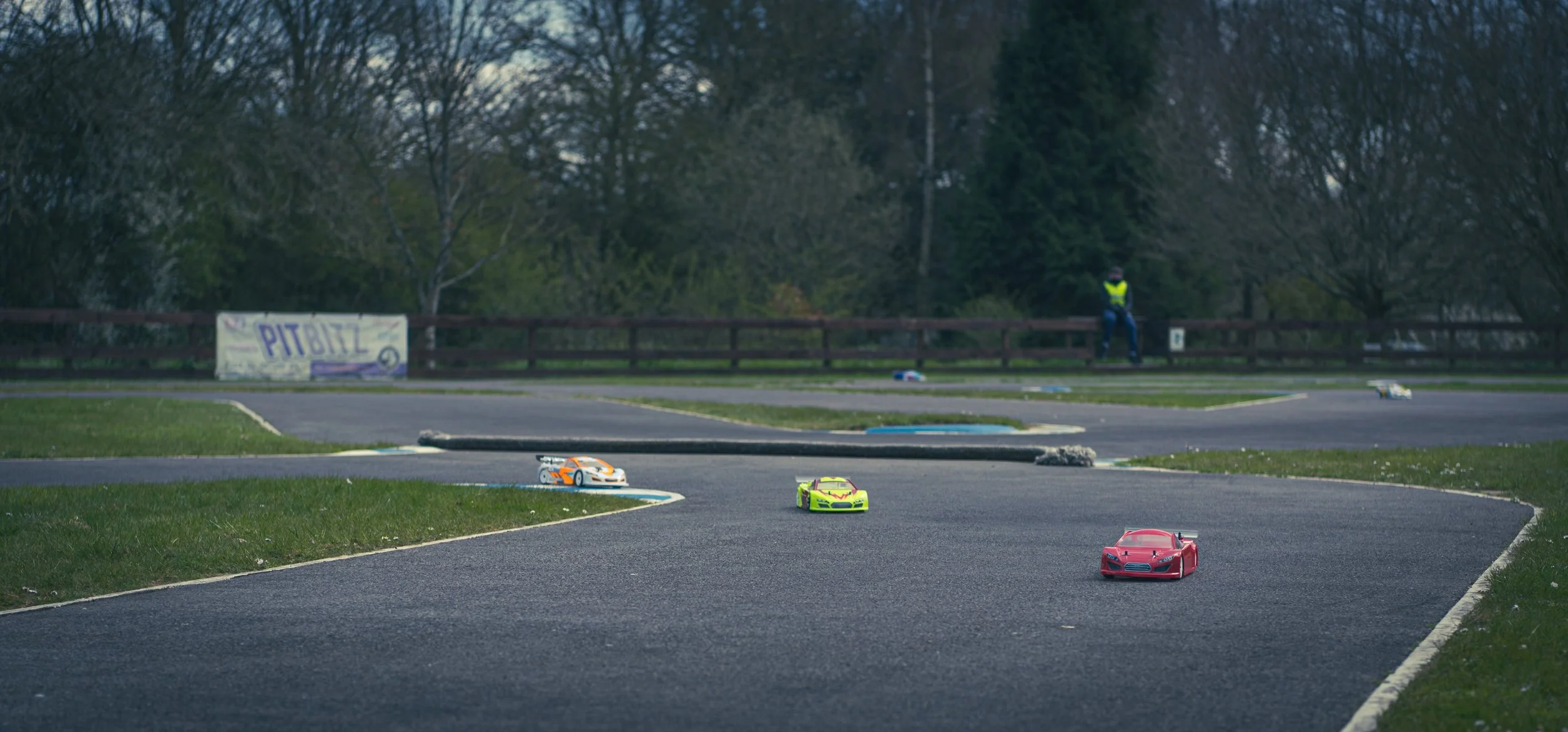
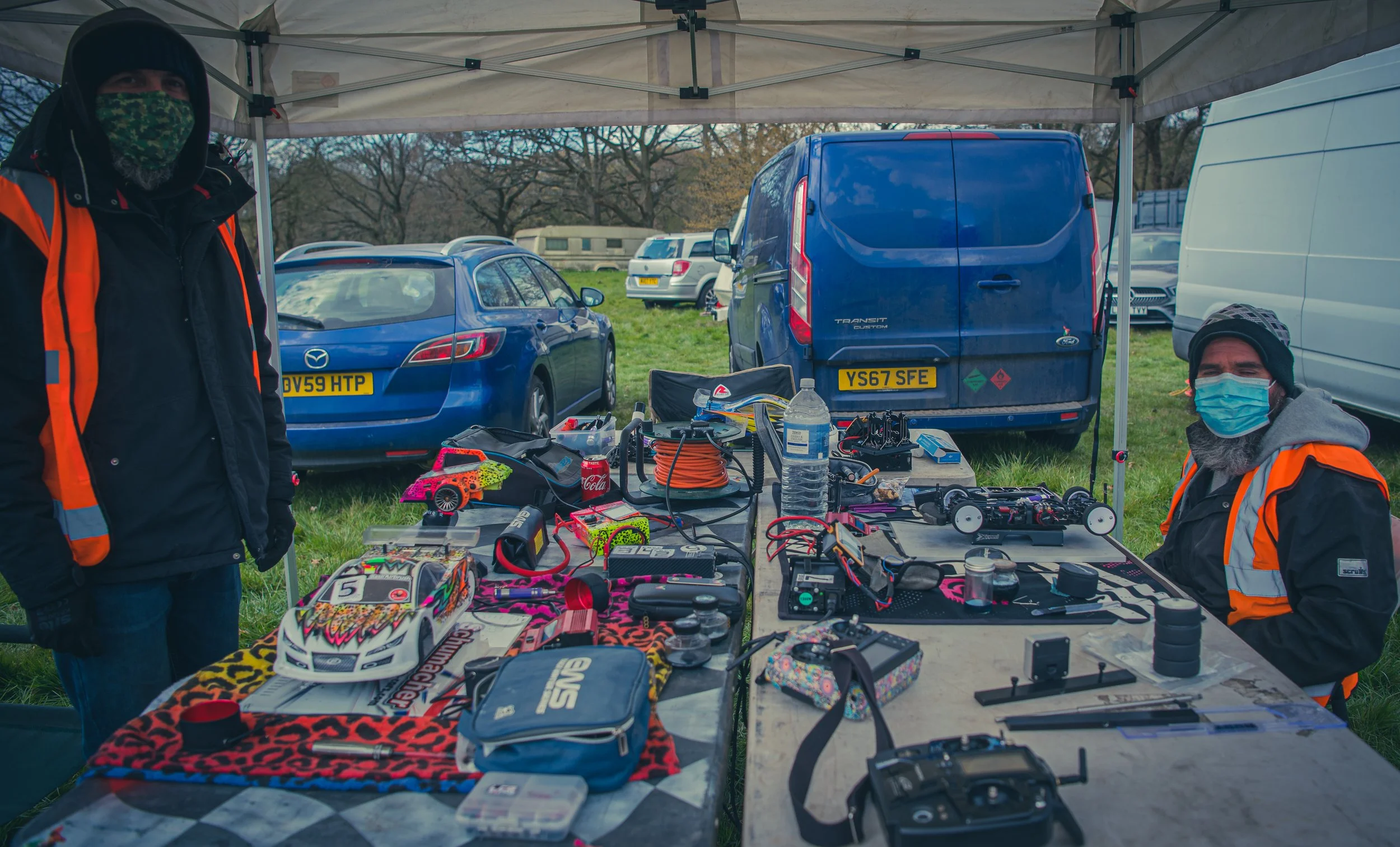
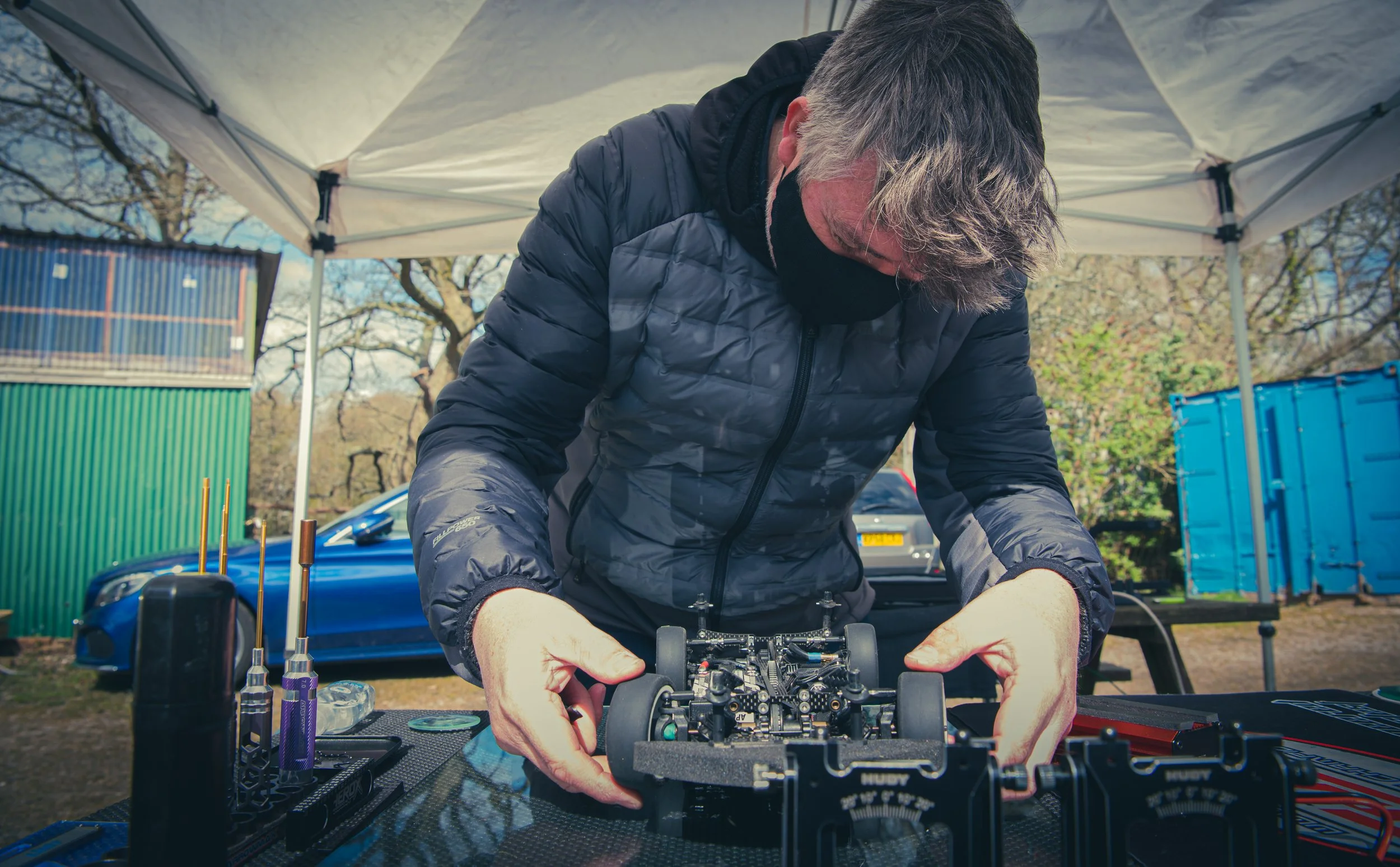
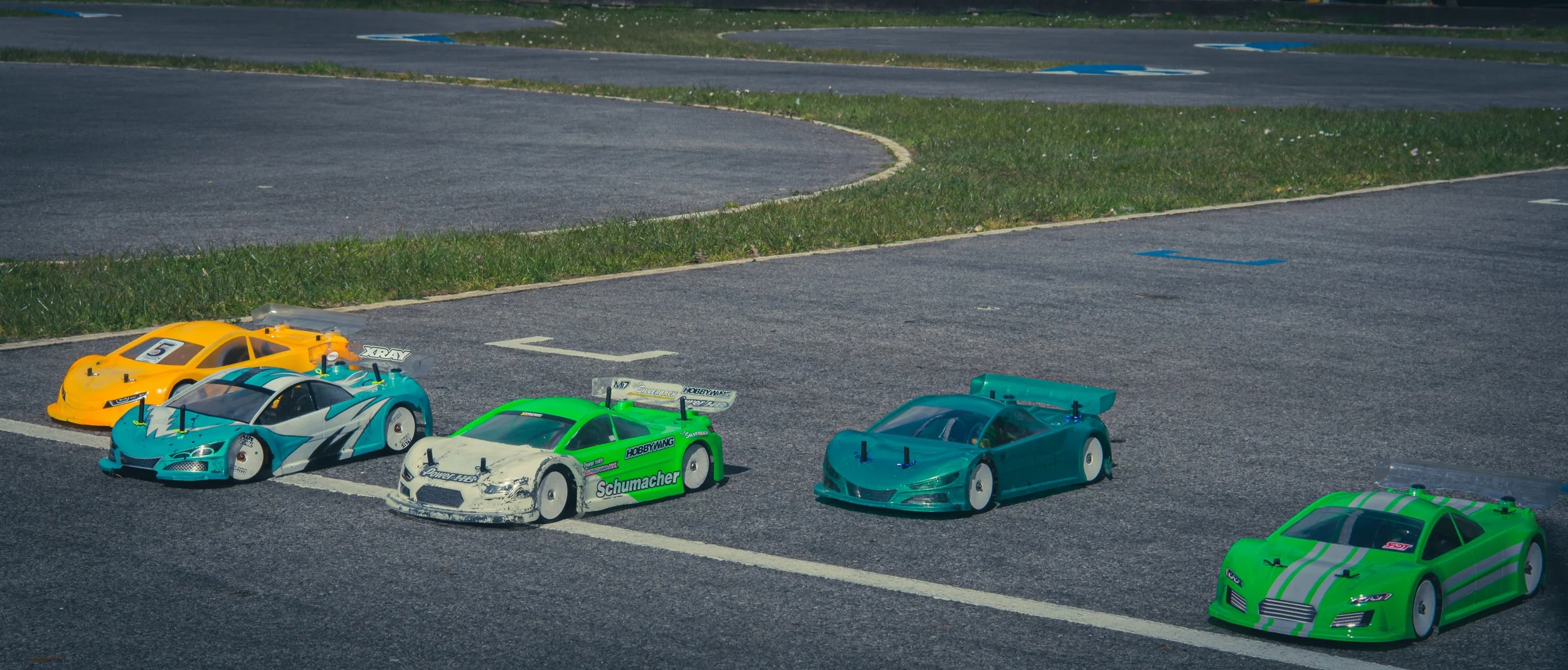
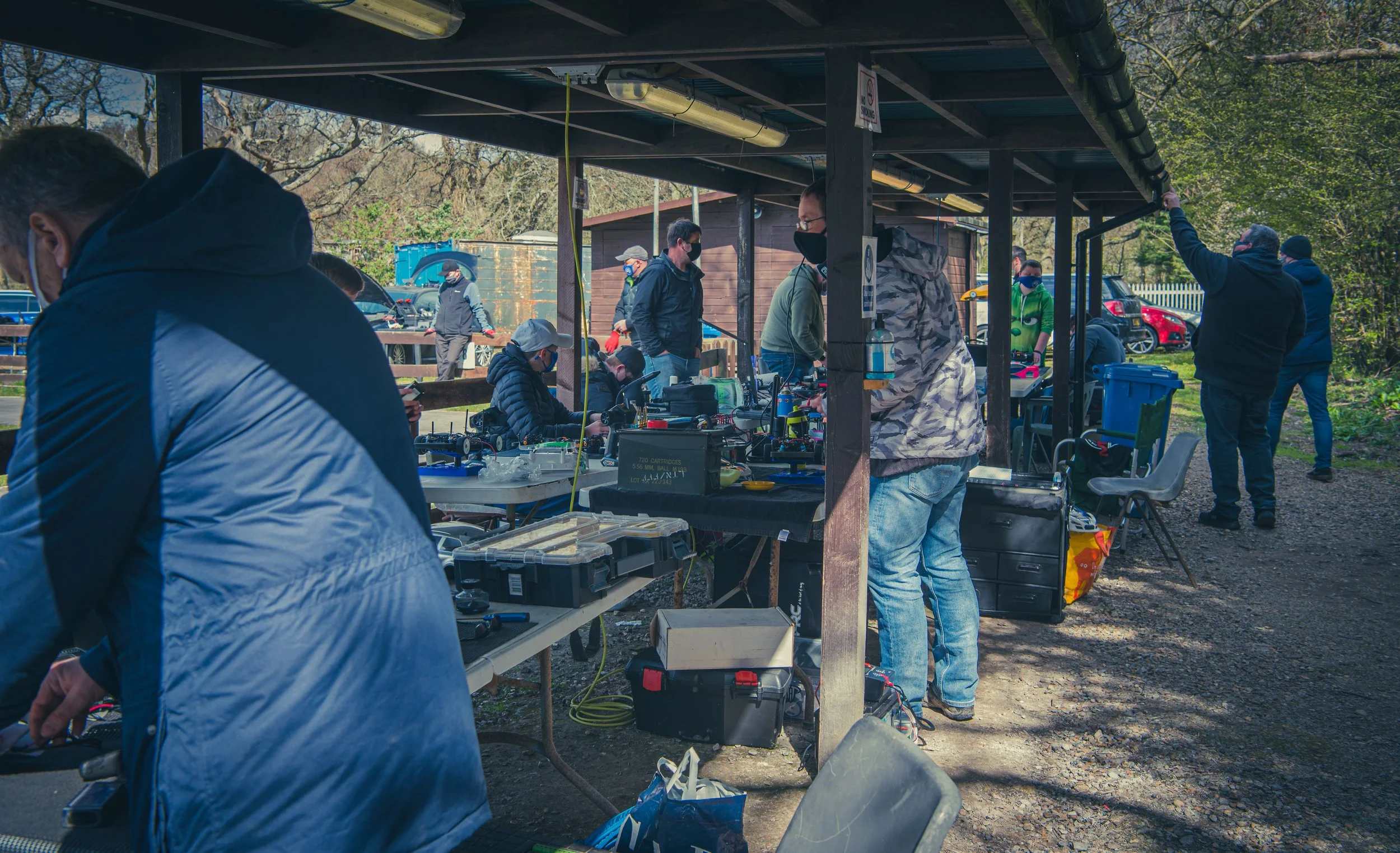
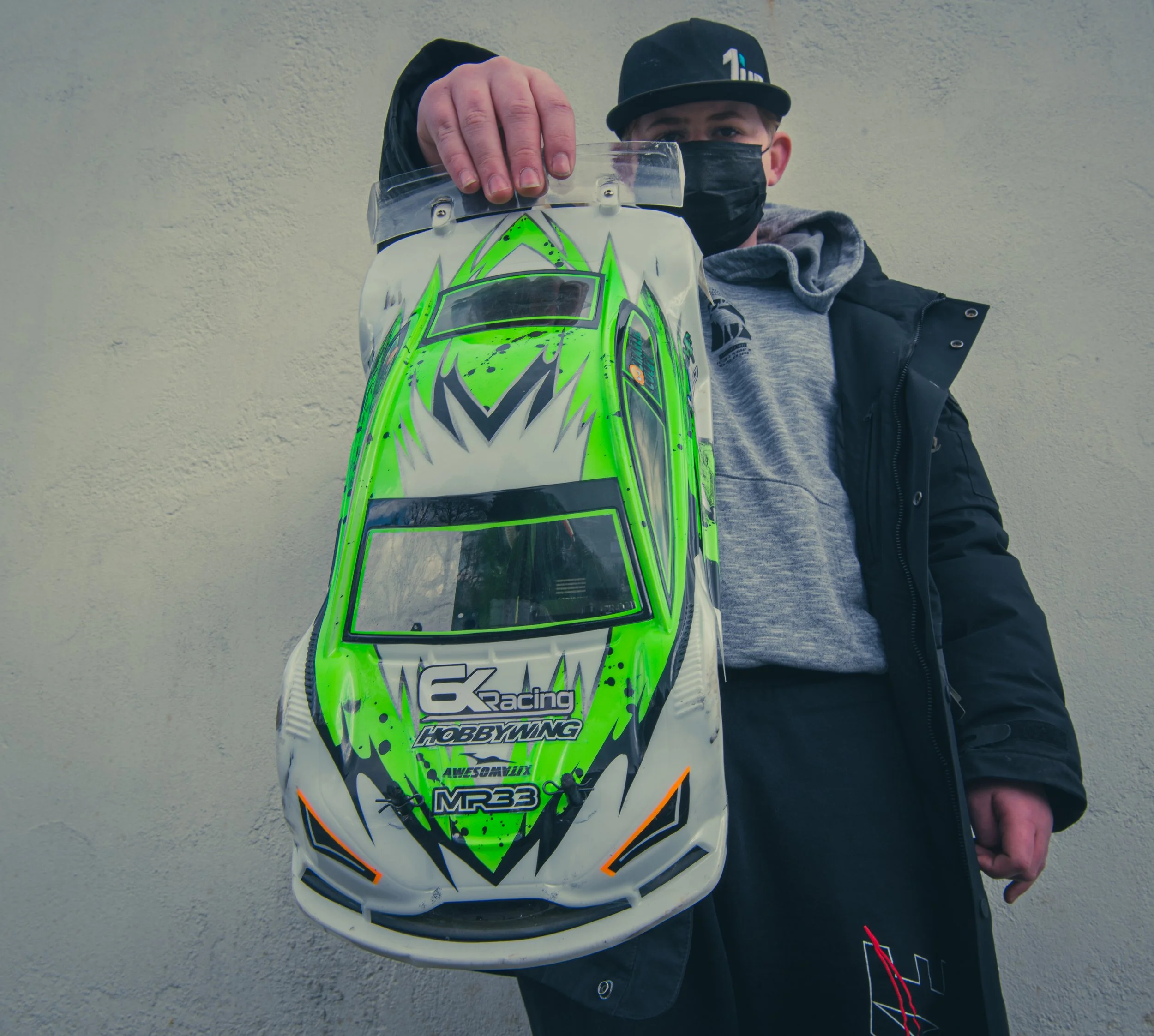
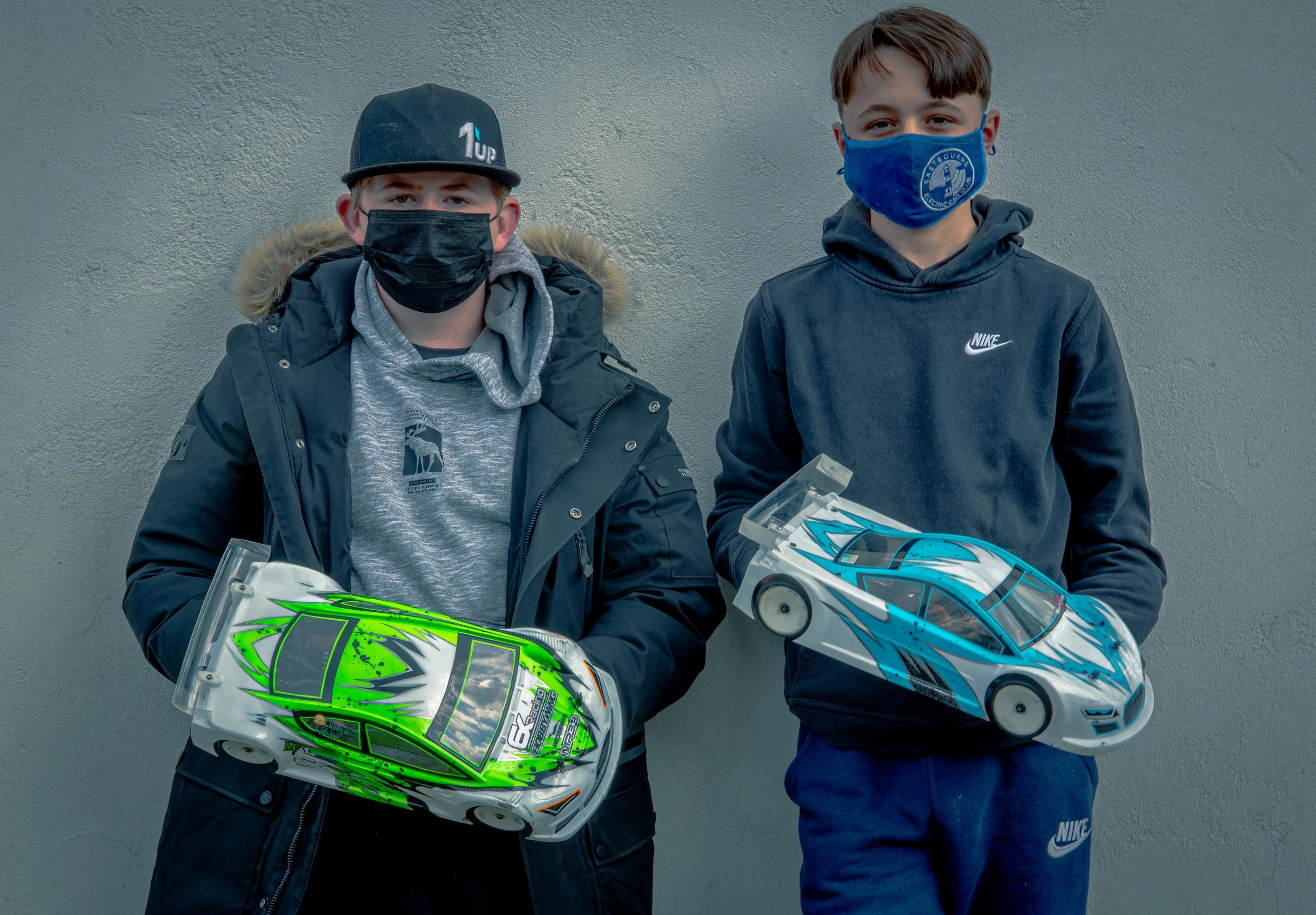
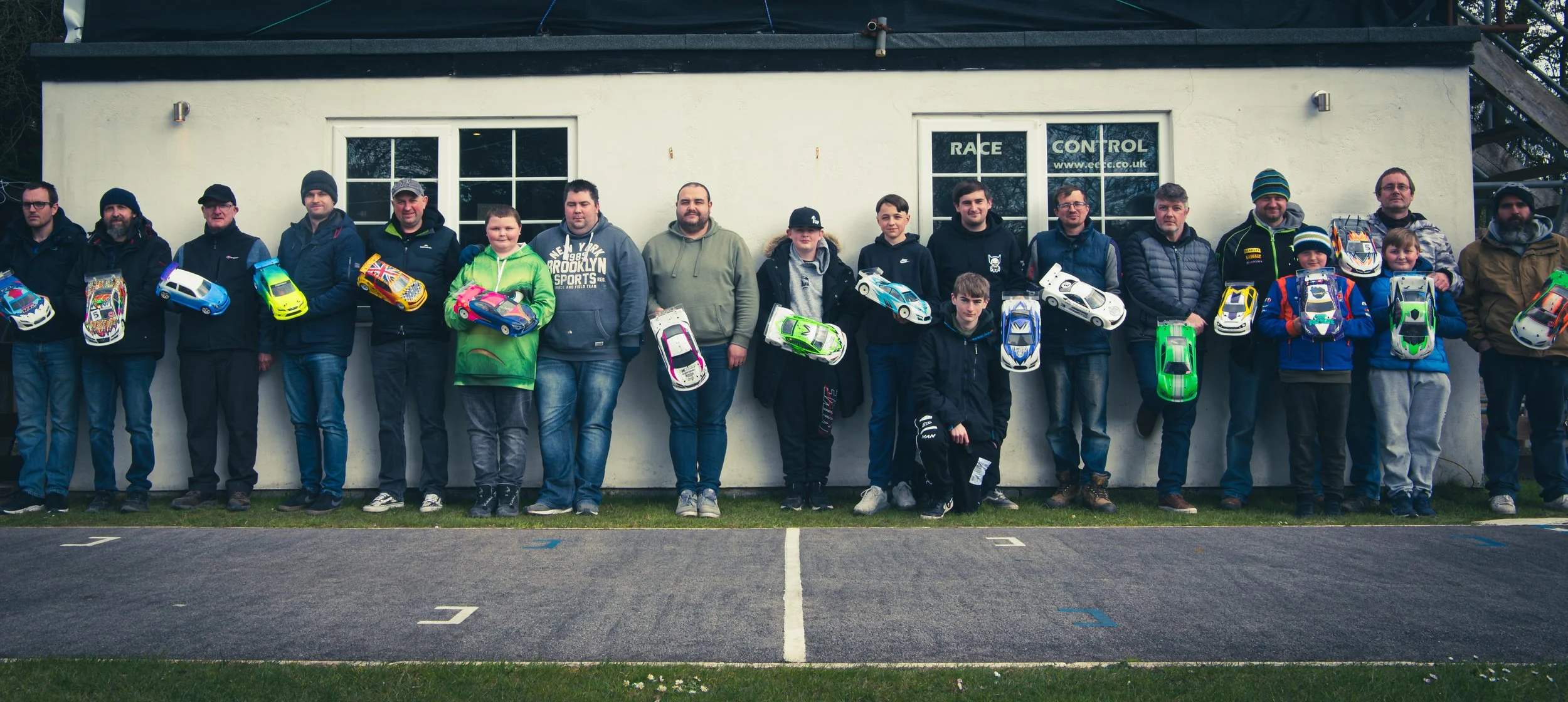
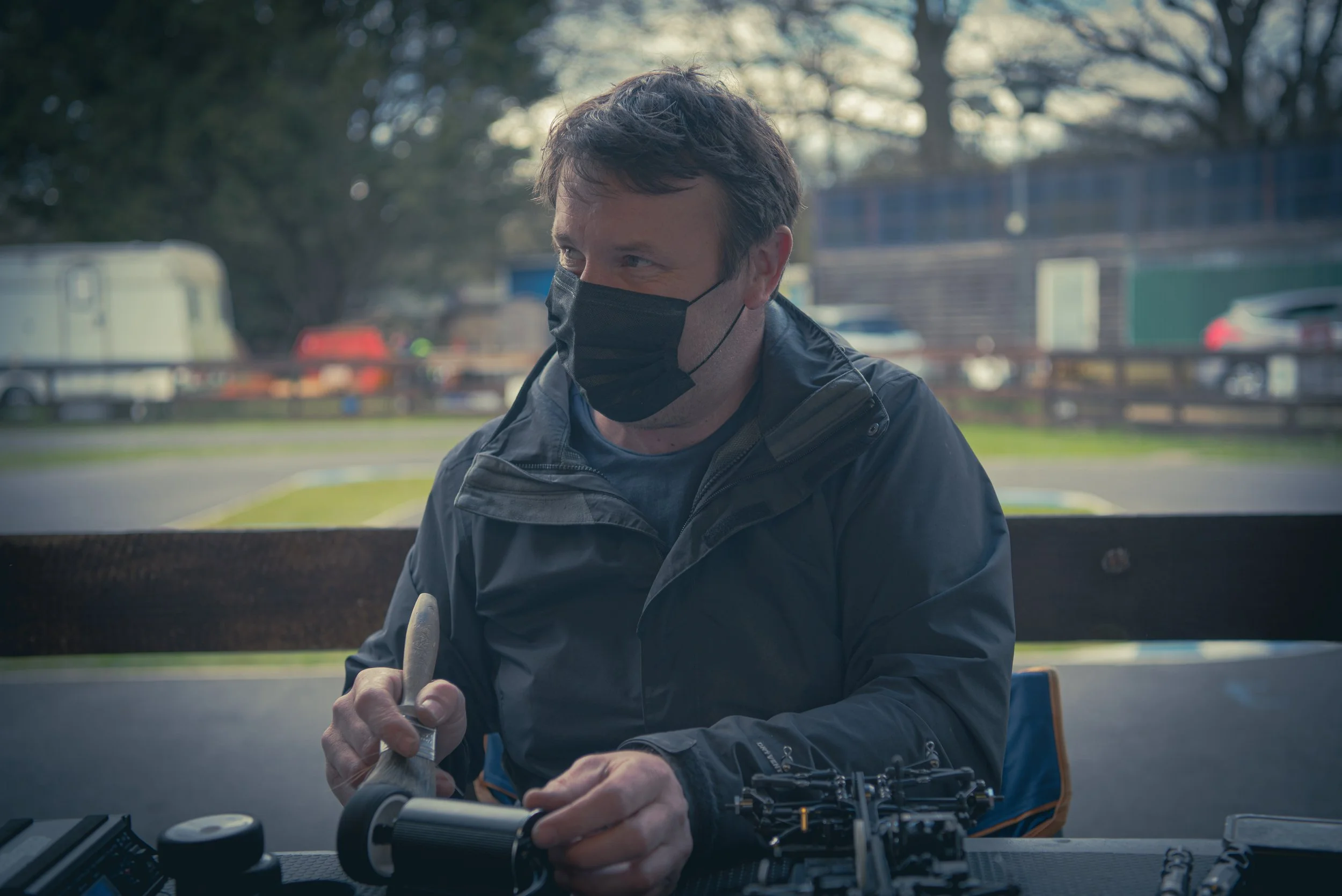
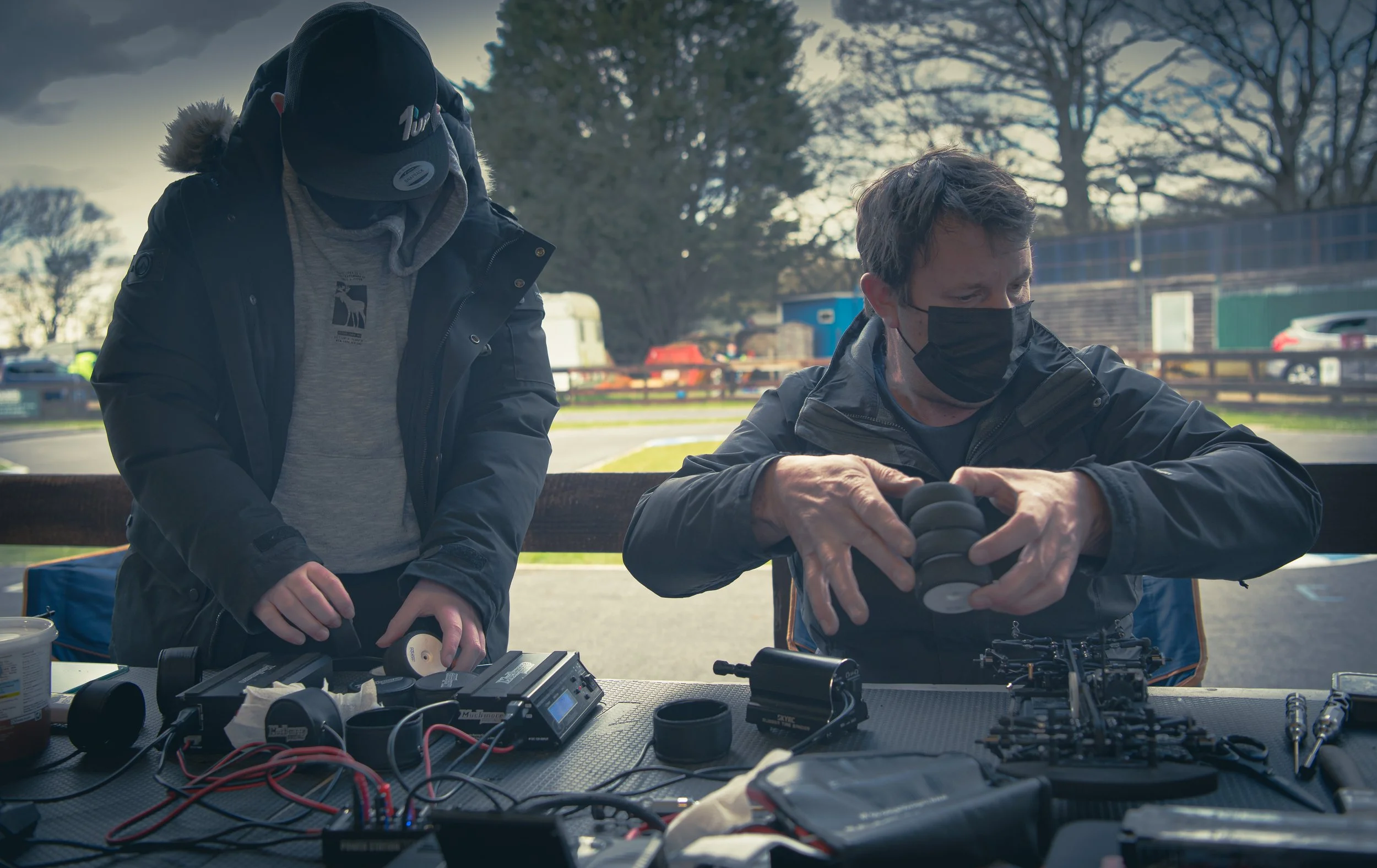
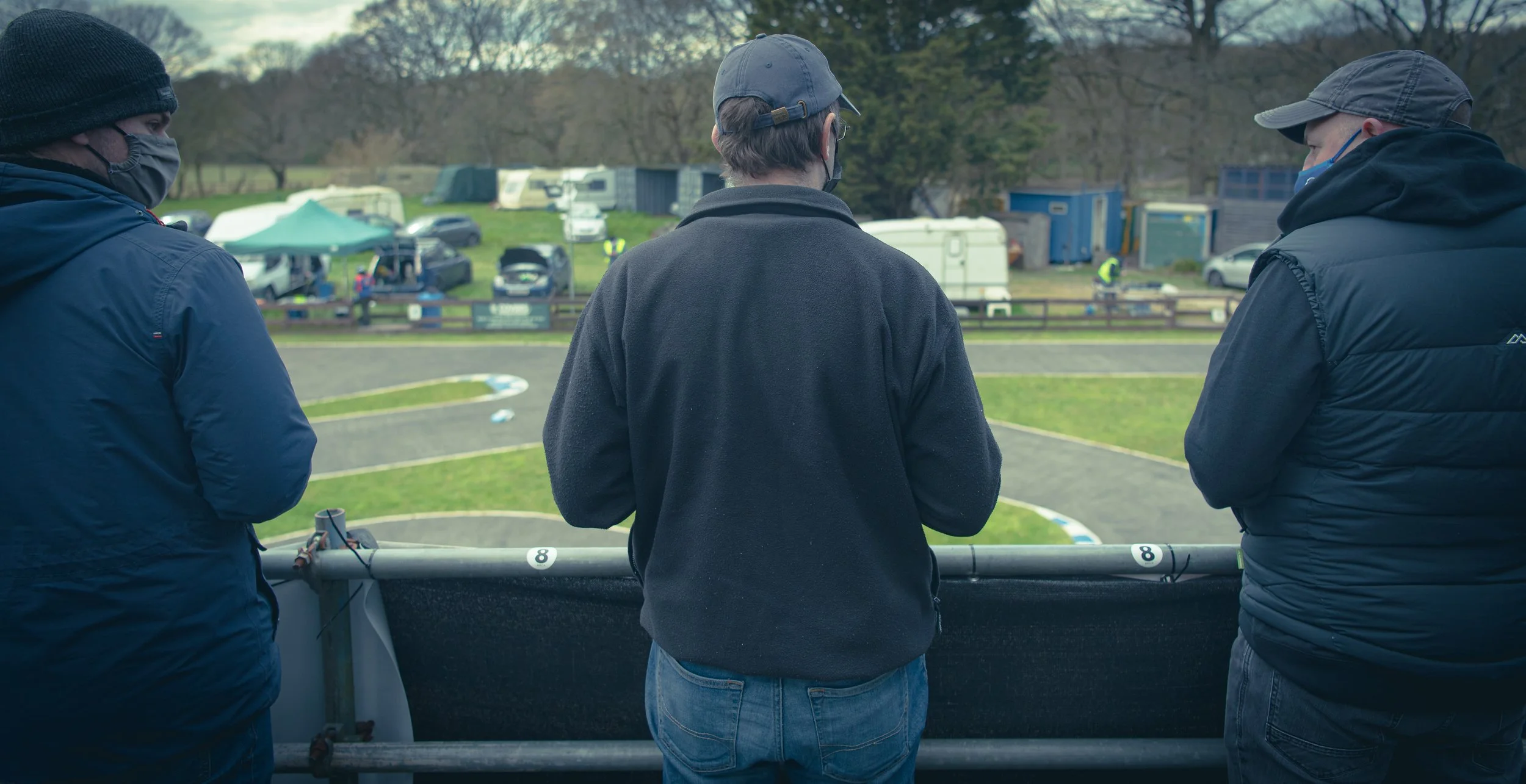
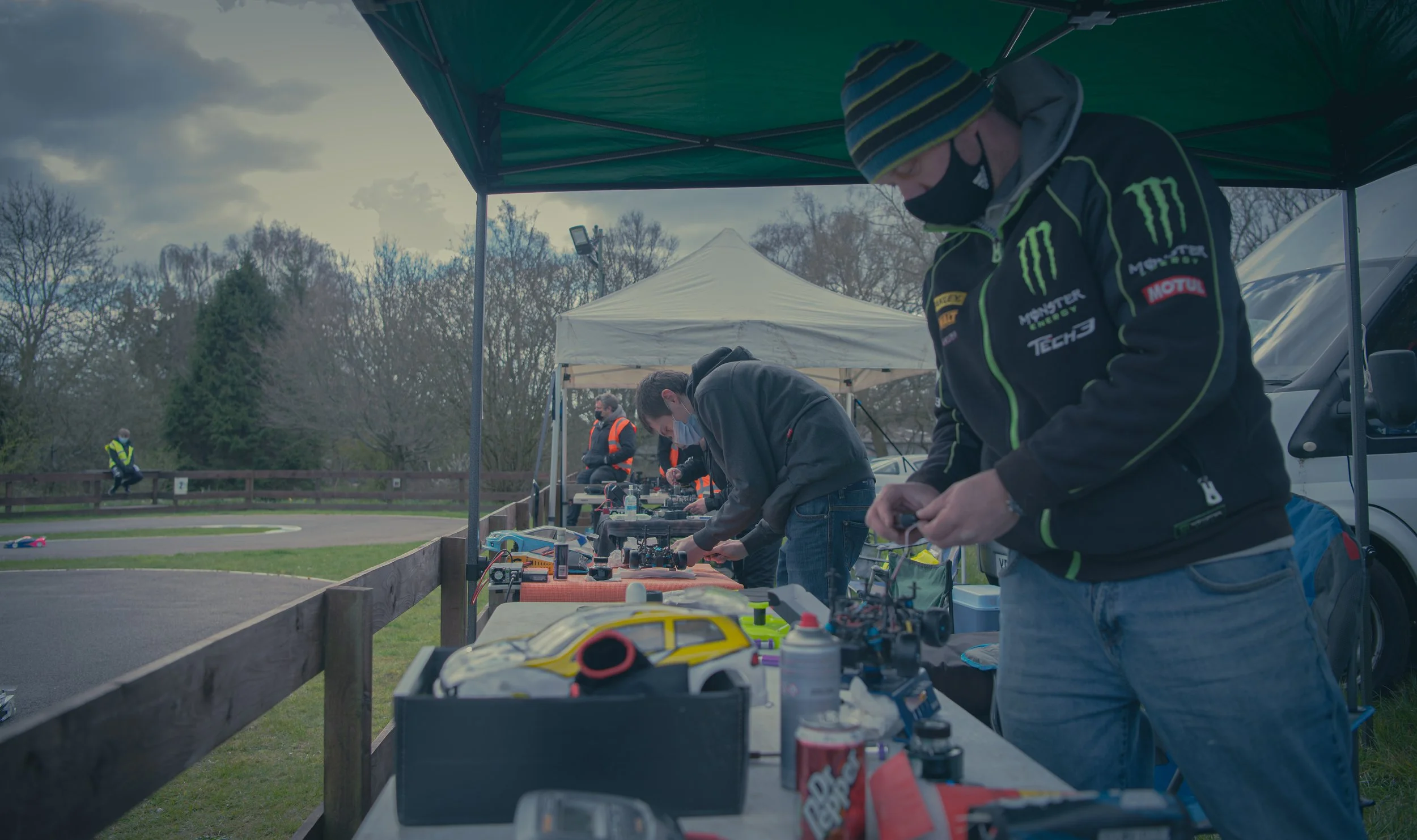
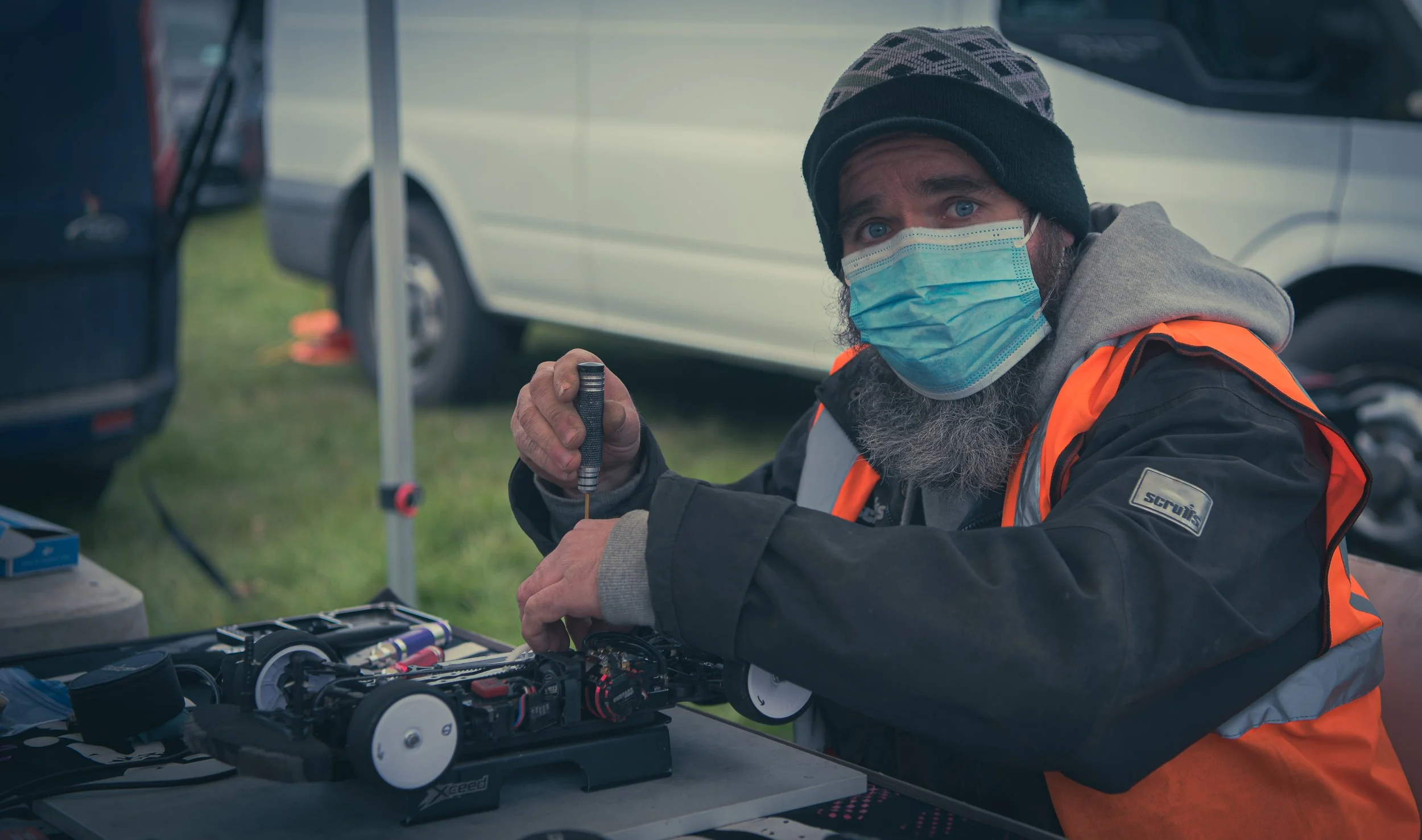
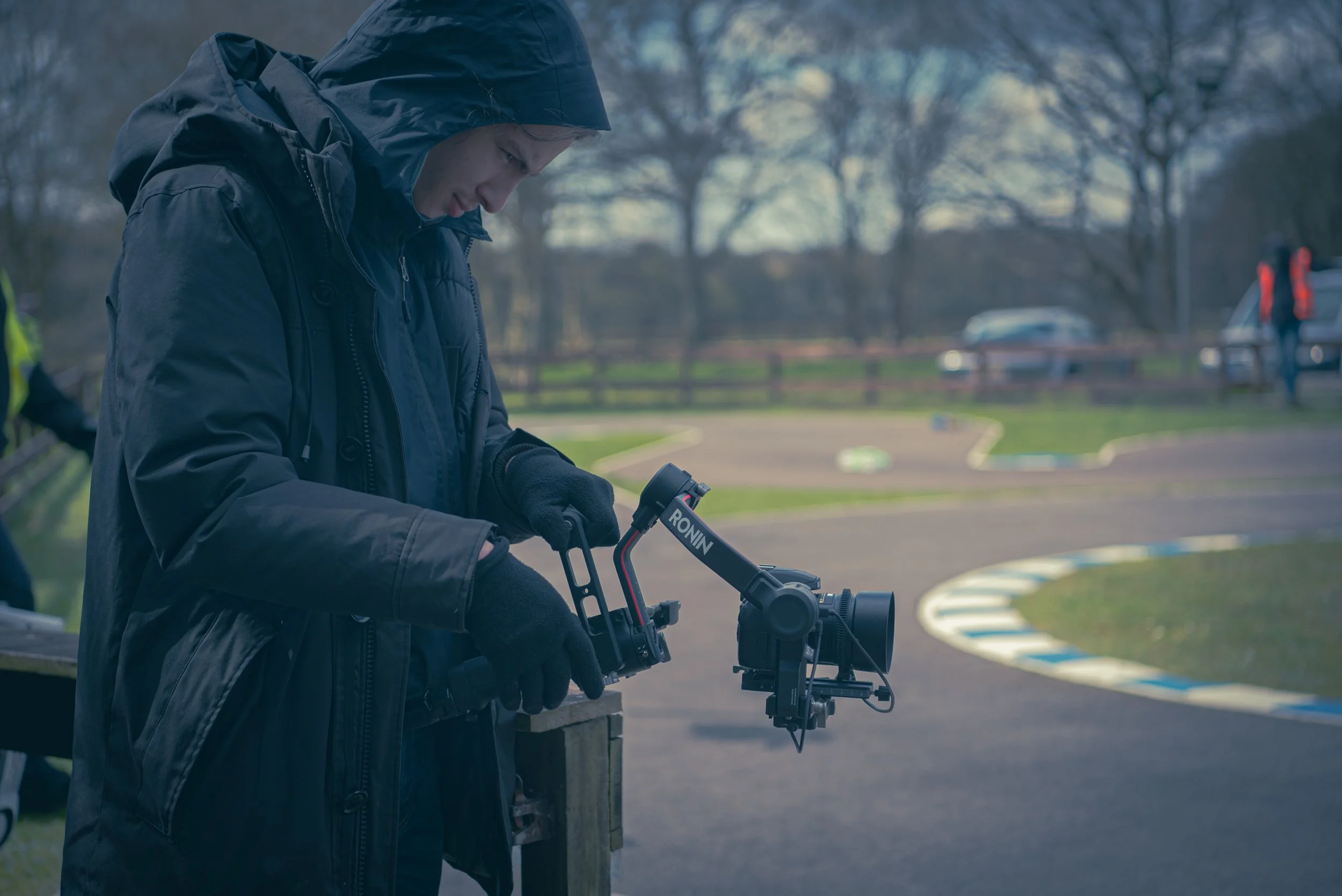
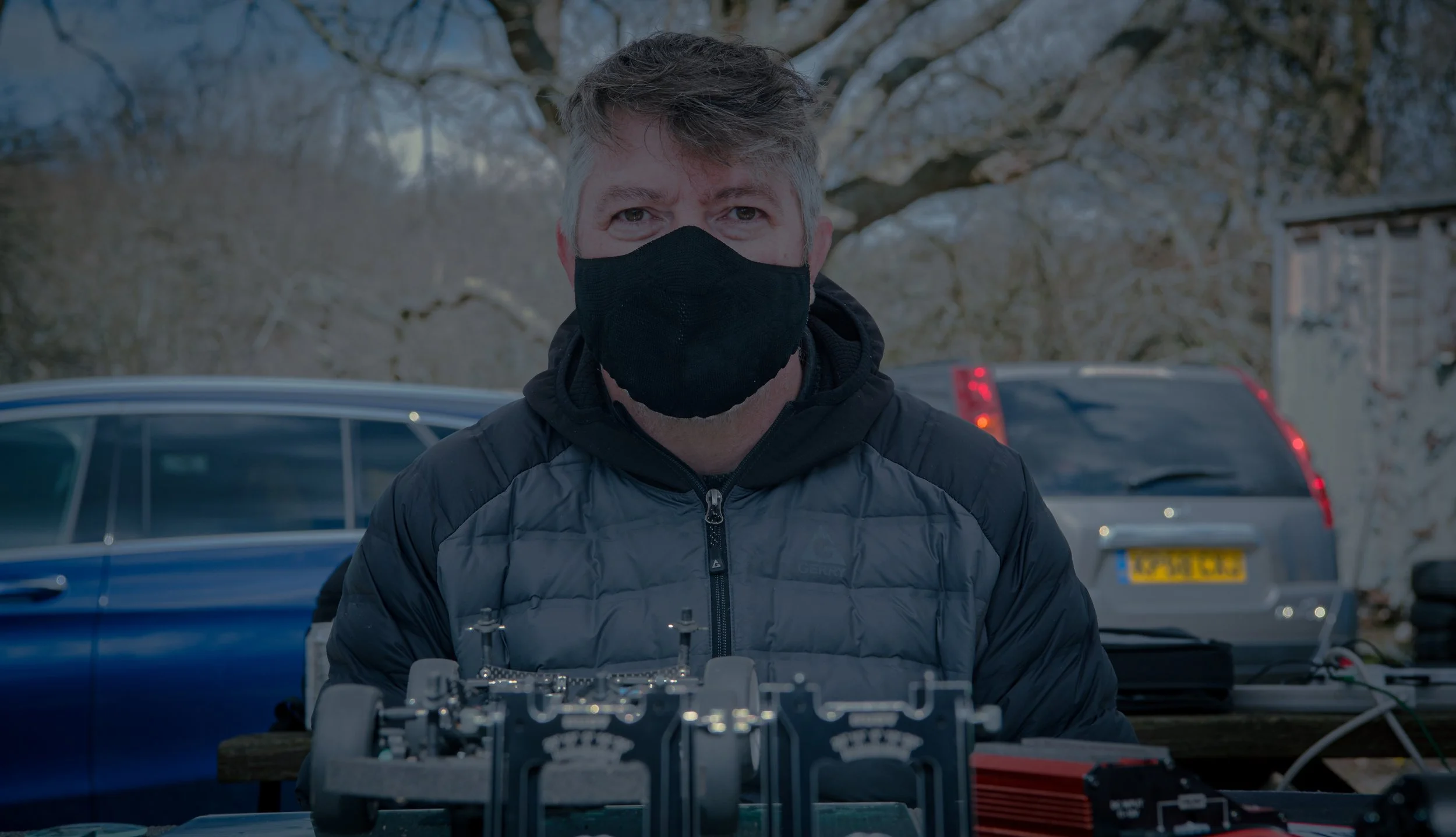
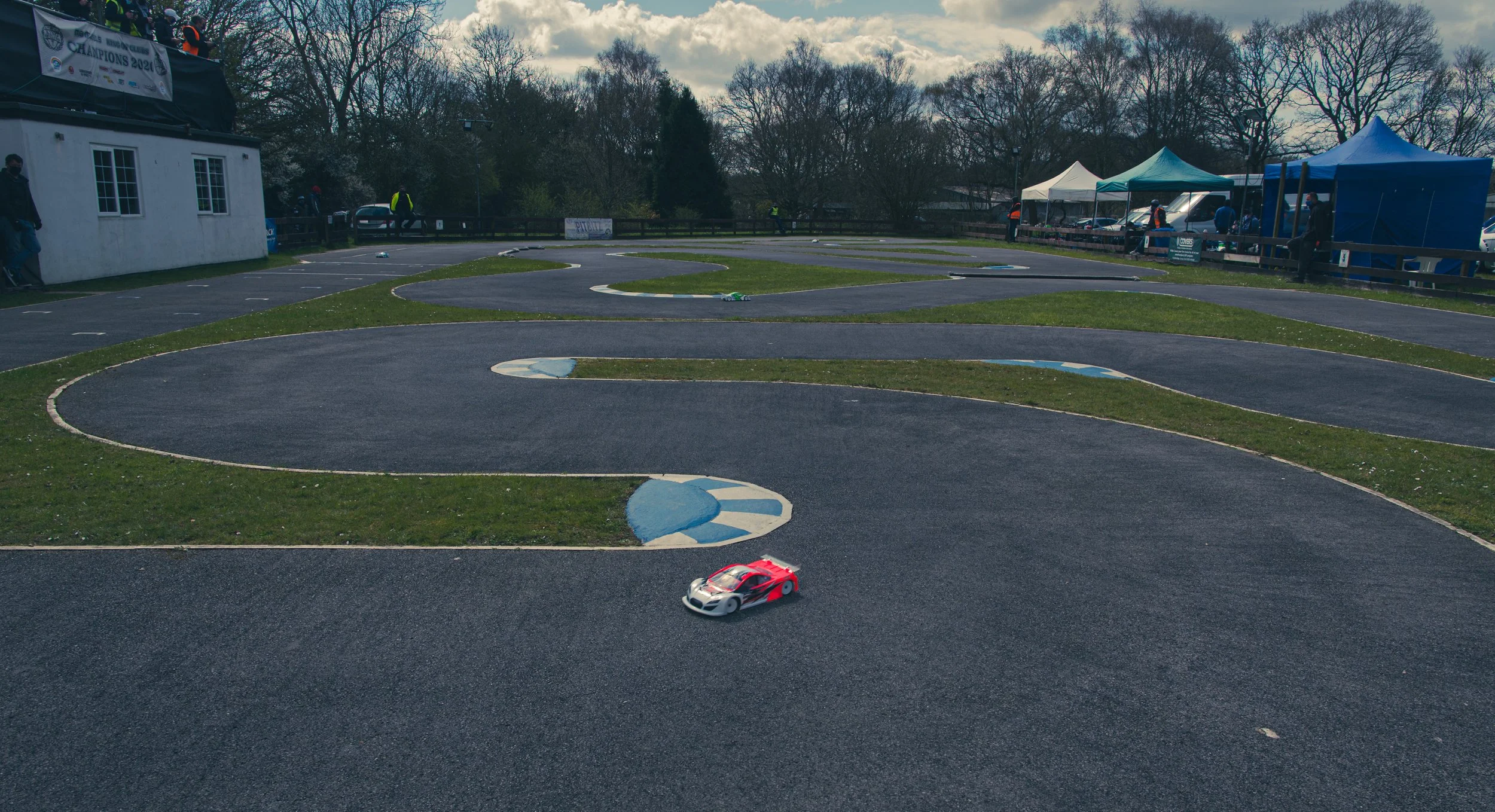
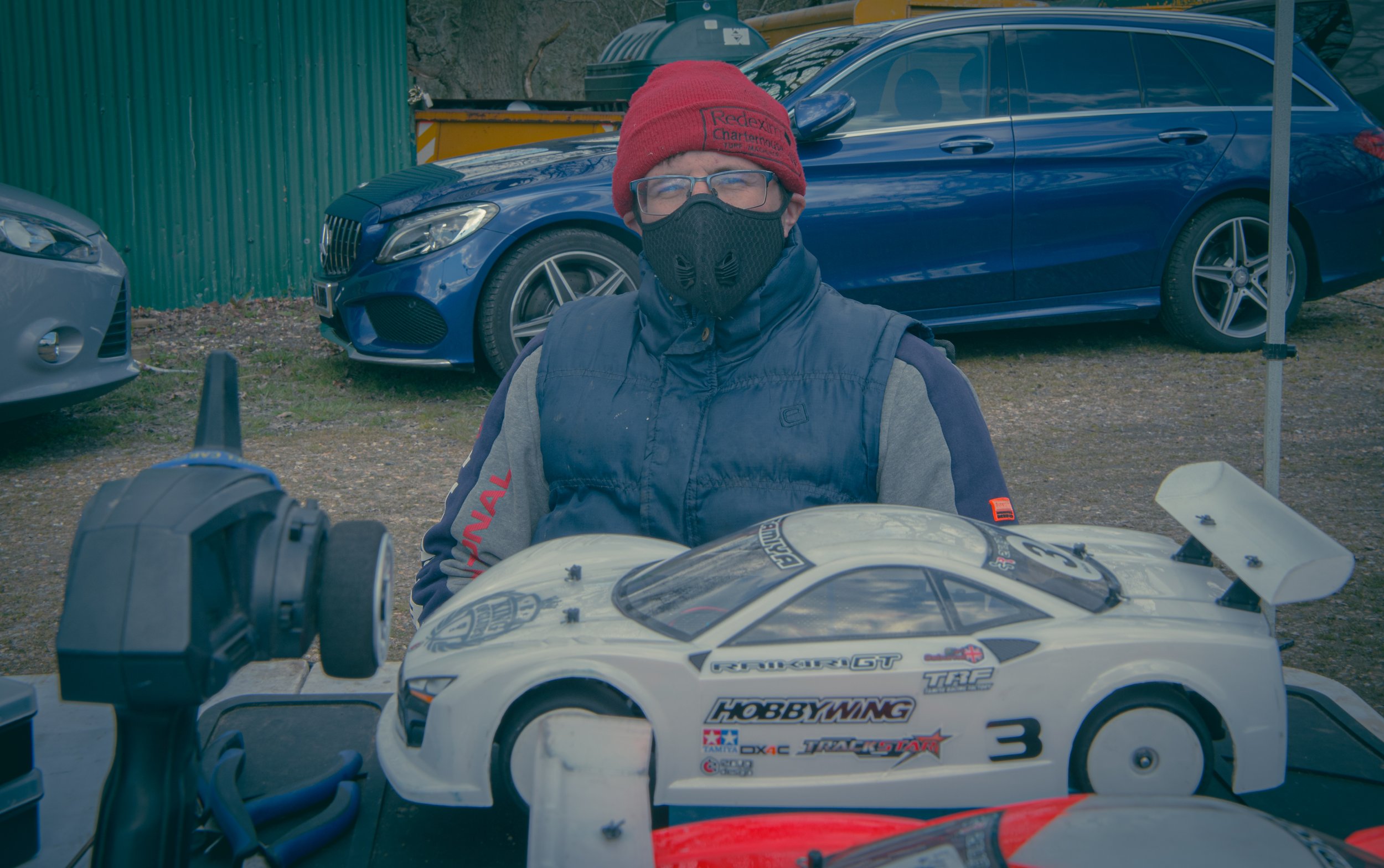
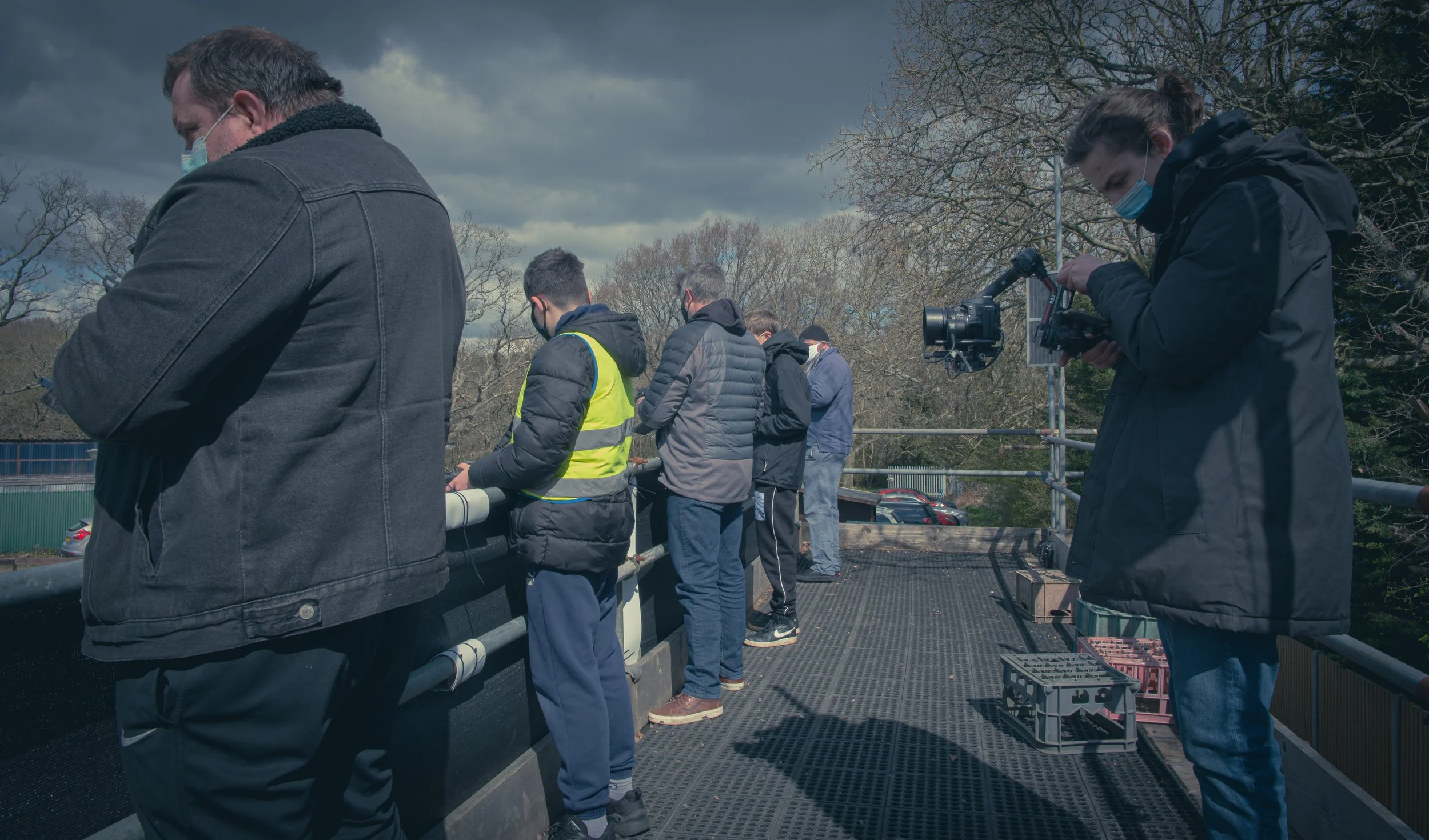
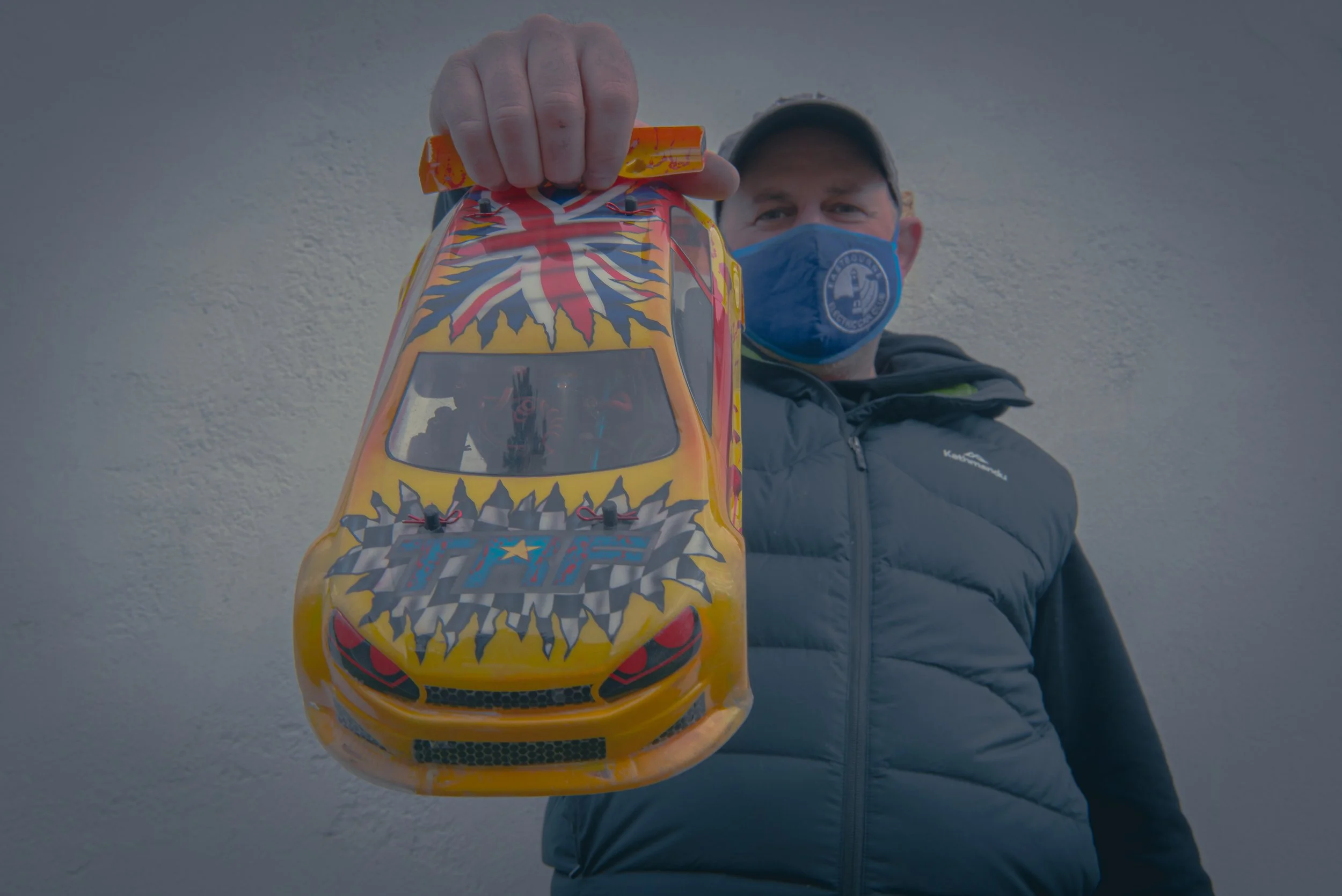
Peter eventually secured support from independent sports-film producer Park the Bus, led by Greg Cruttwell. The company had previously made In the Middle, an award-winning documentary following football referees.
That made RC racing an intriguing fit.
Like refereeing, it was a world most people had seen without ever truly seeing. It had its own language, rituals, pressures and personalities. The challenge was to open that world to a wider audience without losing what made it distinctive.
Greg’s involvement inevitably changed the project. Park the Bus was providing the backing and brought its own editorial judgement to the film.
The central idea, however, remained focused on people.
Leading British racer Elliott Harper had recently retired, leaving one of the defining rivalries of the time unresolved. For years, Harper and Olly Jefferies had represented two of the biggest forces in British touring-car racing.
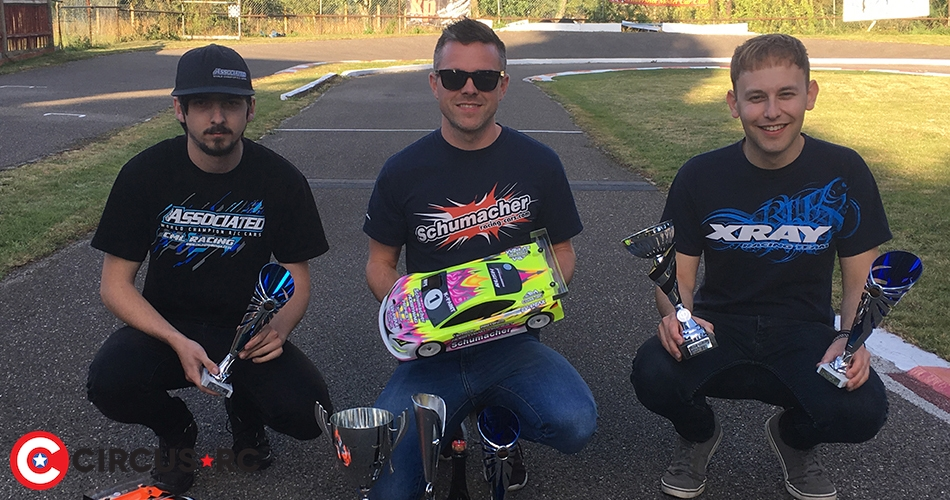
Zak Smith, Olly Jefferies and Elliot Harper at Aldershot in 2019
With Harper stepping away, the question, and therefore framing of the film, seemed obvious:
Who was next?
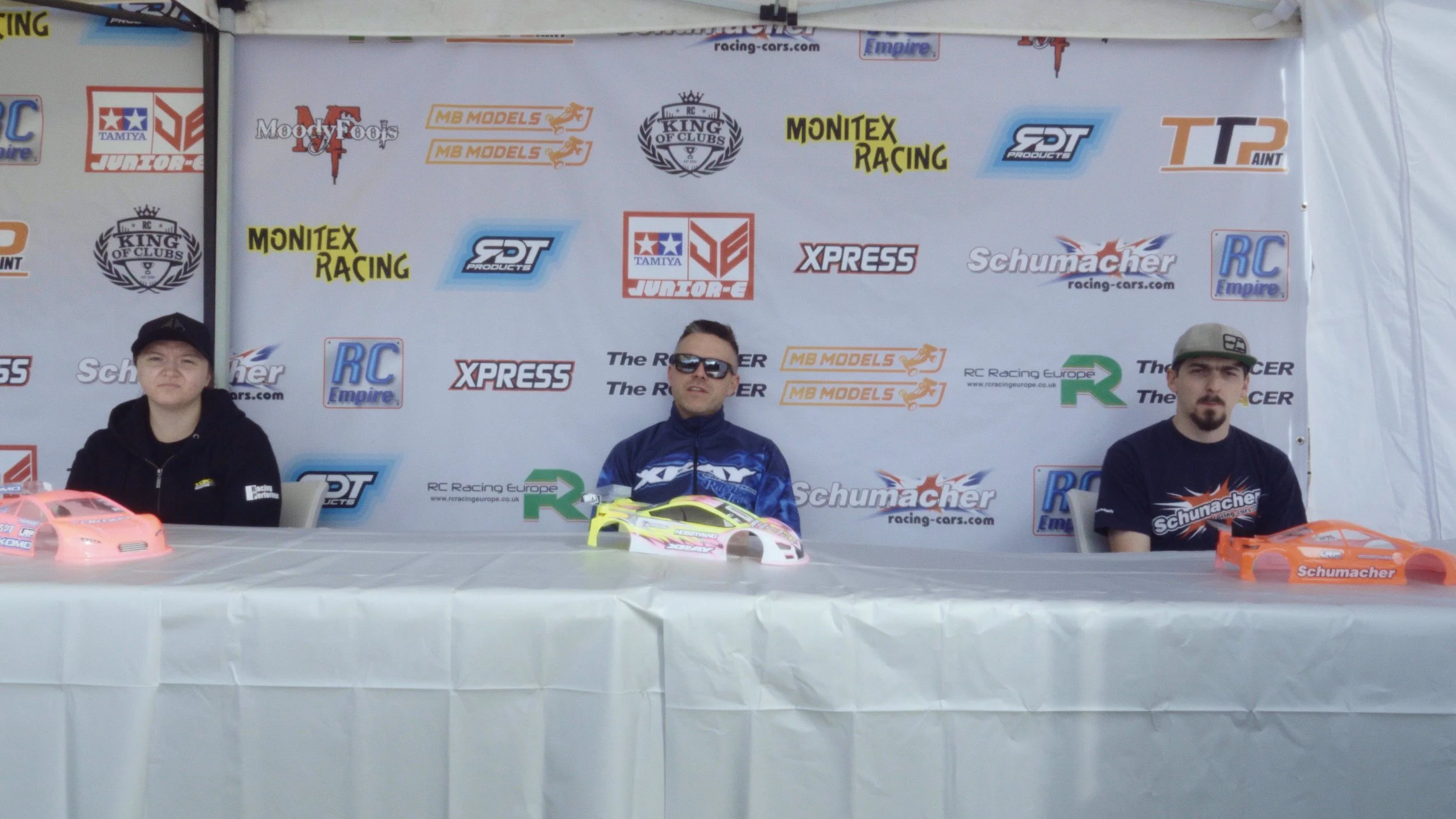
Who could emerge as the driver capable of taking the fight to Olly Jefferies? The film settled around three central characters: Jefferies, Harley Eldridge and Chris Grainger.
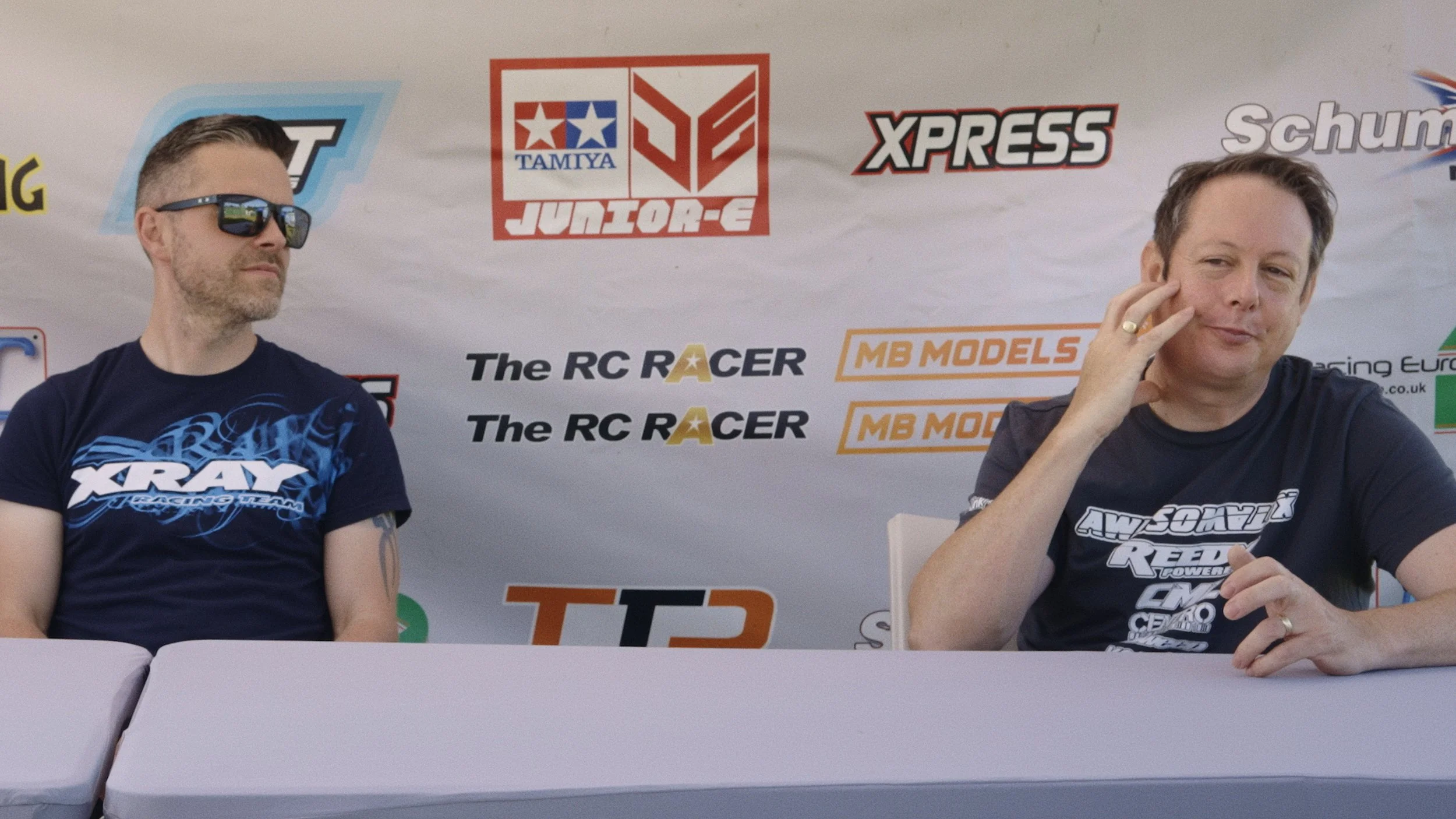
Jefferies was the established benchmark, driving for Xray and carrying the pressure that comes with being expected to win.
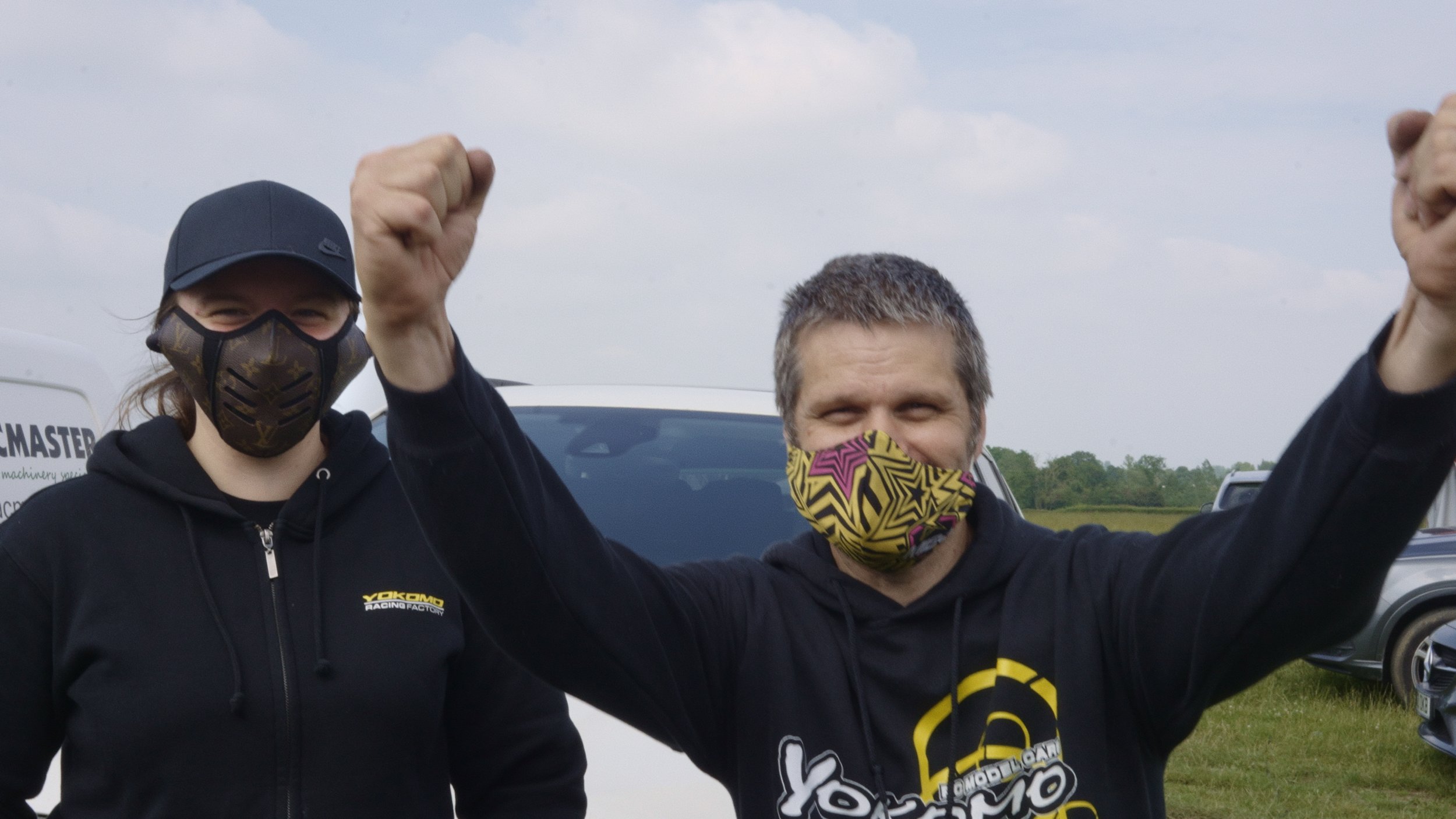
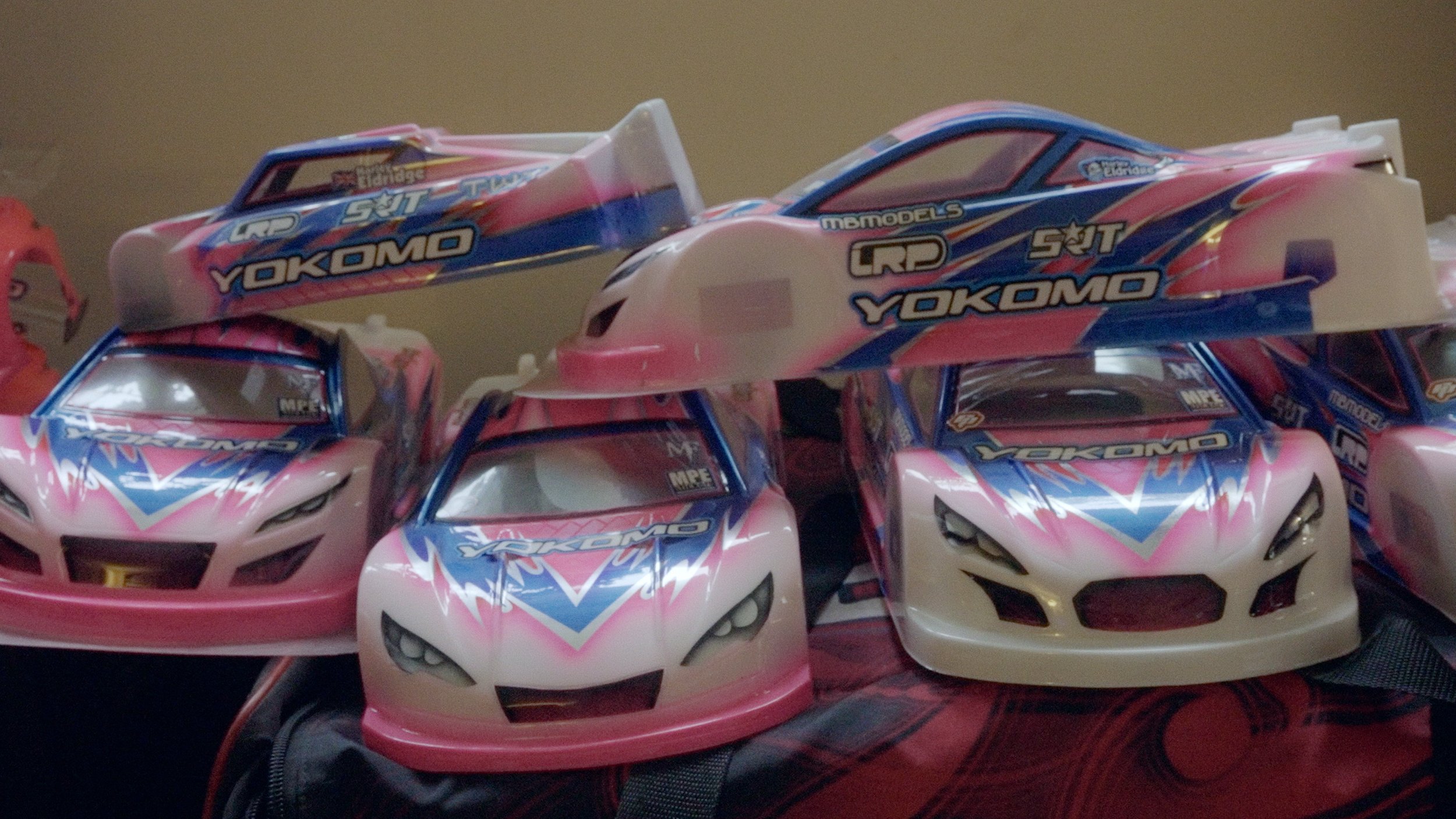
Eldridge, then racing for Yokomo, had long been described as the fastest female racer in the sport. She possessed the speed to challenge at the front and represented a different route through a racing world still dominated by men.
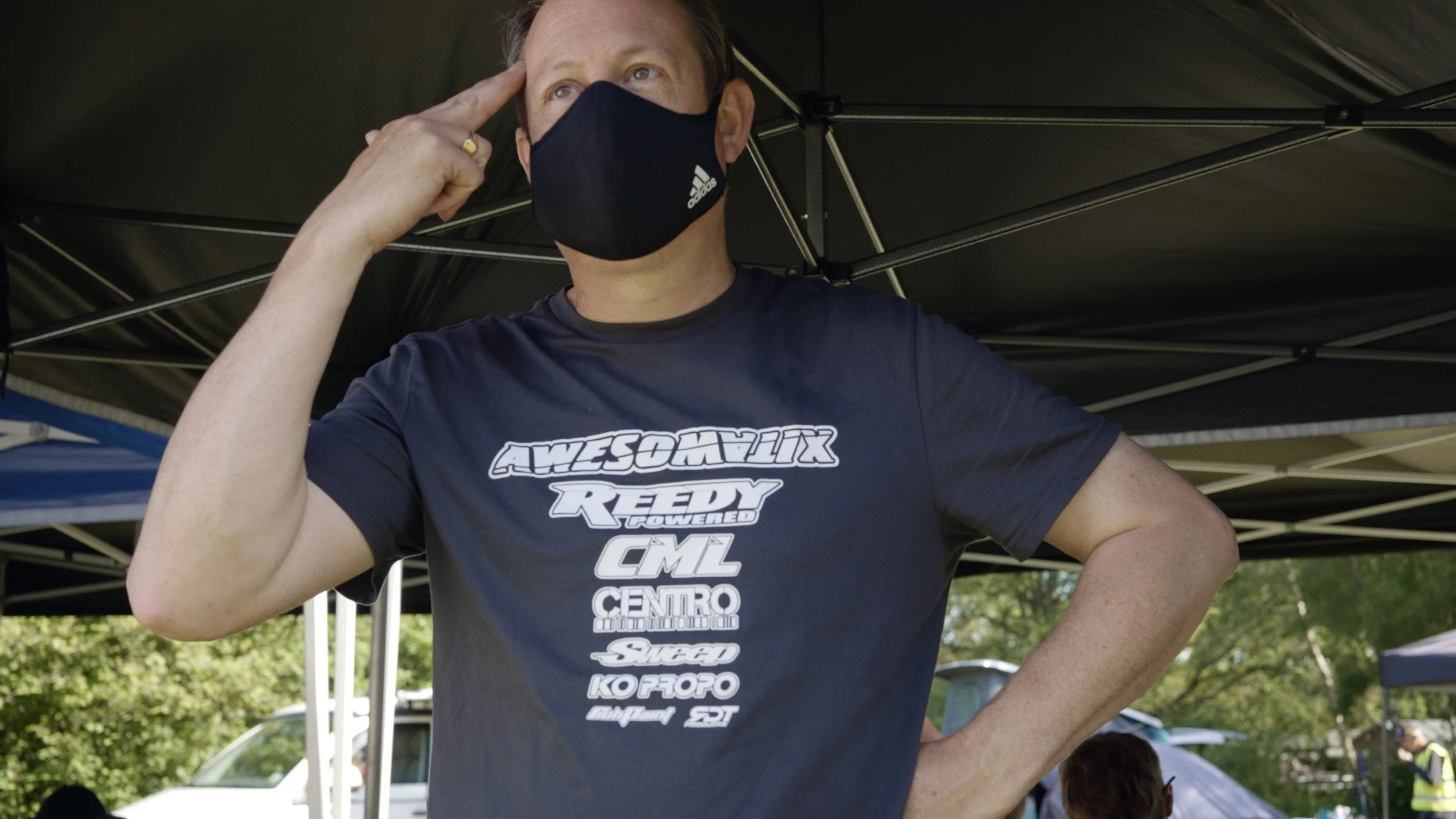
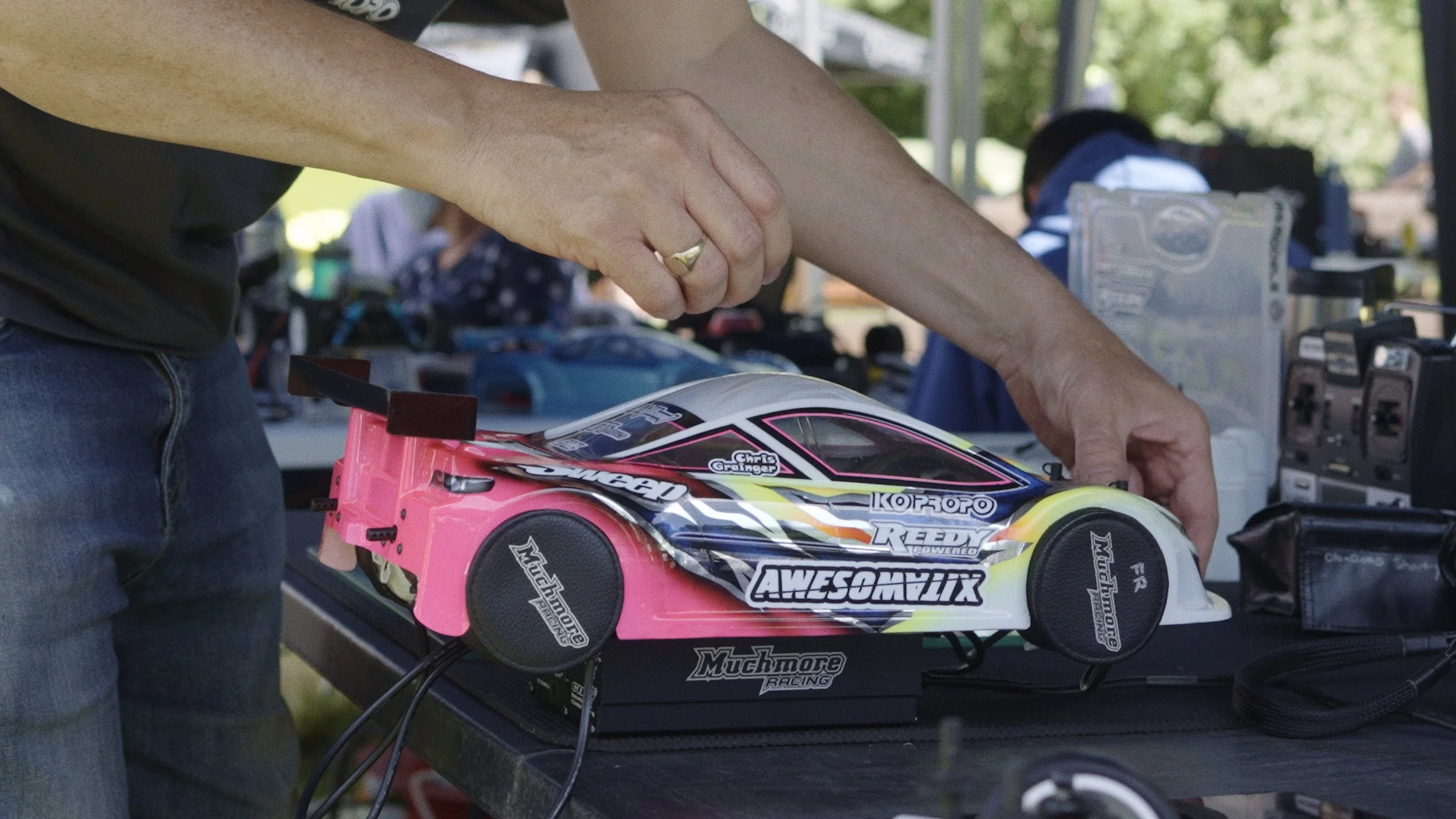
Grainger was one of Britain’s most experienced touring-car competitors. After moving to Awesomatix, he had returned firmly to the sharp end and looked capable of mounting another serious challenge.
Three racers. Three different careers. Three different relationships with the same sport.
The plan was to follow them through the King of Clubs season, using the championship as the stage for whatever story would unfold.
Rain, controversy and exploding tyres
Filming began at Aldershot.
We arrived ready to capture the opening round of the season. Instead, we were greeted by torrential rain.
There had already been some tension surrounding Saturday practice and whether the circuit should have remained closed. By race day, the atmosphere carried a bit of an edge. For a documentary crew, that was valuable. For an event organiser, not so much!
The weather exposed another problem. King of Clubs was still young, and our regulations had not clearly specified the number of wet tyres competitors could use. There were also problems with some tyres failing in the Modified class.
All of this played out while Jefferies appeared largely untroubled, sweeping through qualifying and the finals with his Xray T4 ‘21.
It was dramatic, a bit messy. But it was real, and it taught us something important about making a motor-racing documentary.
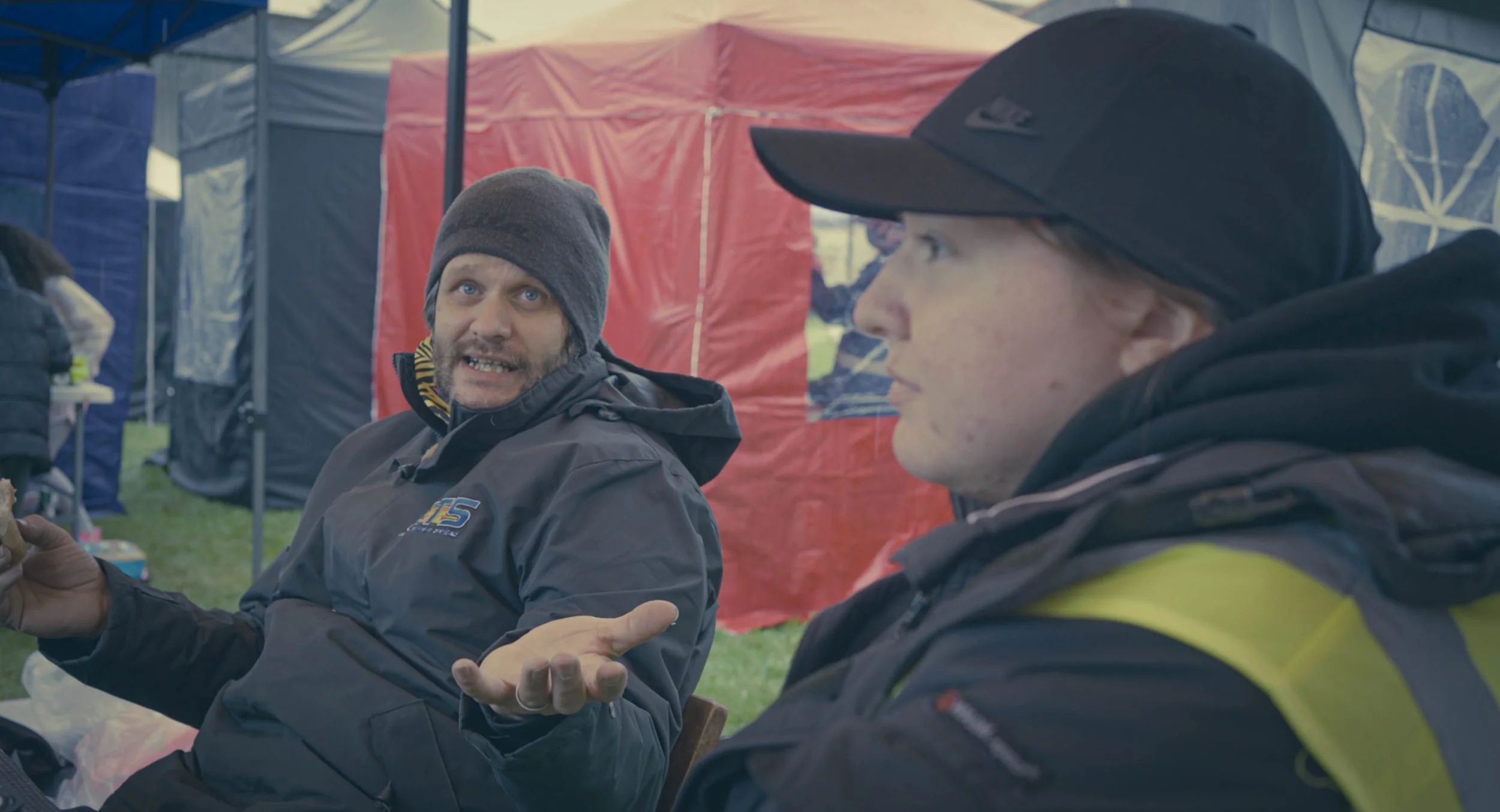
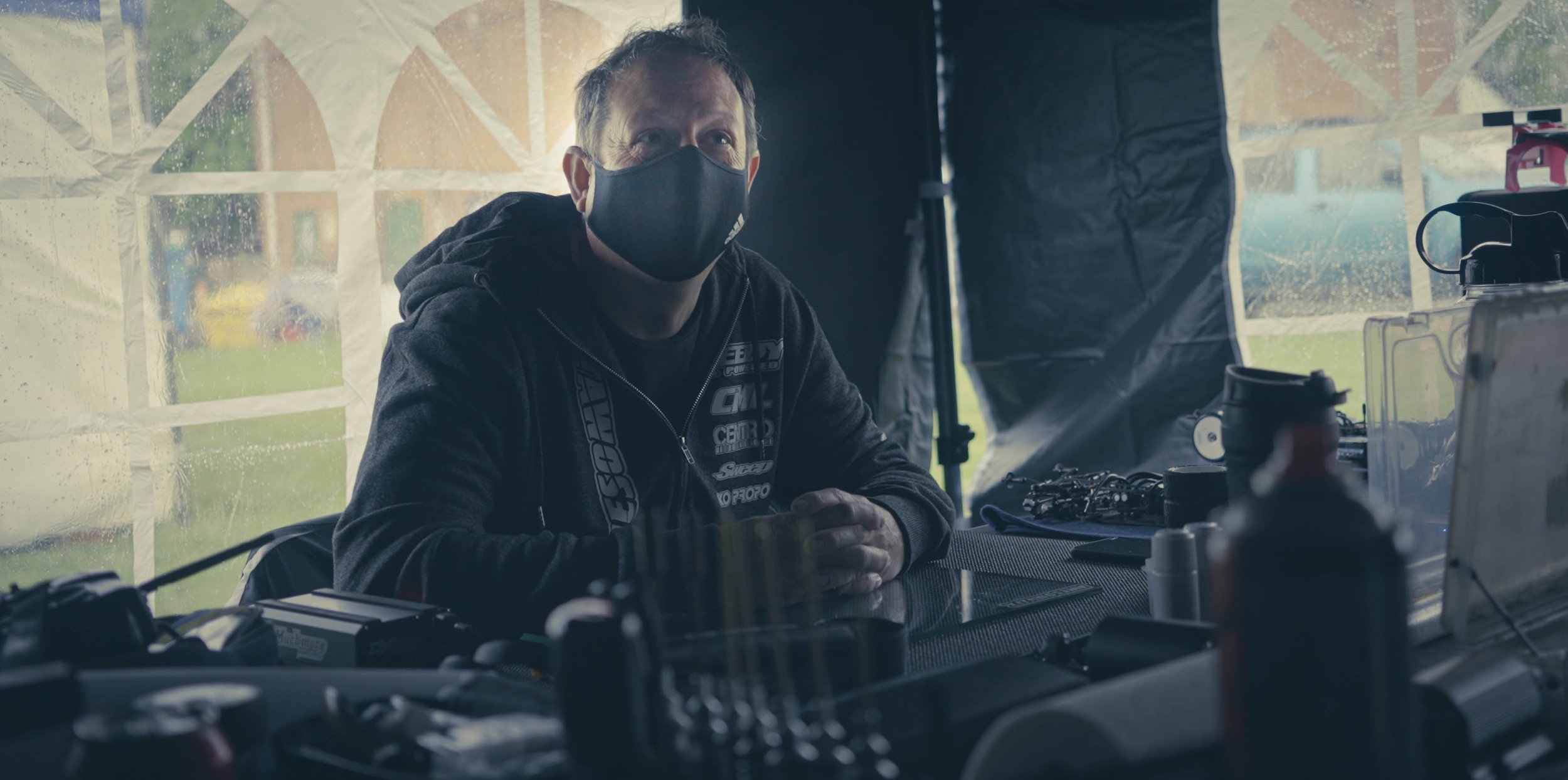
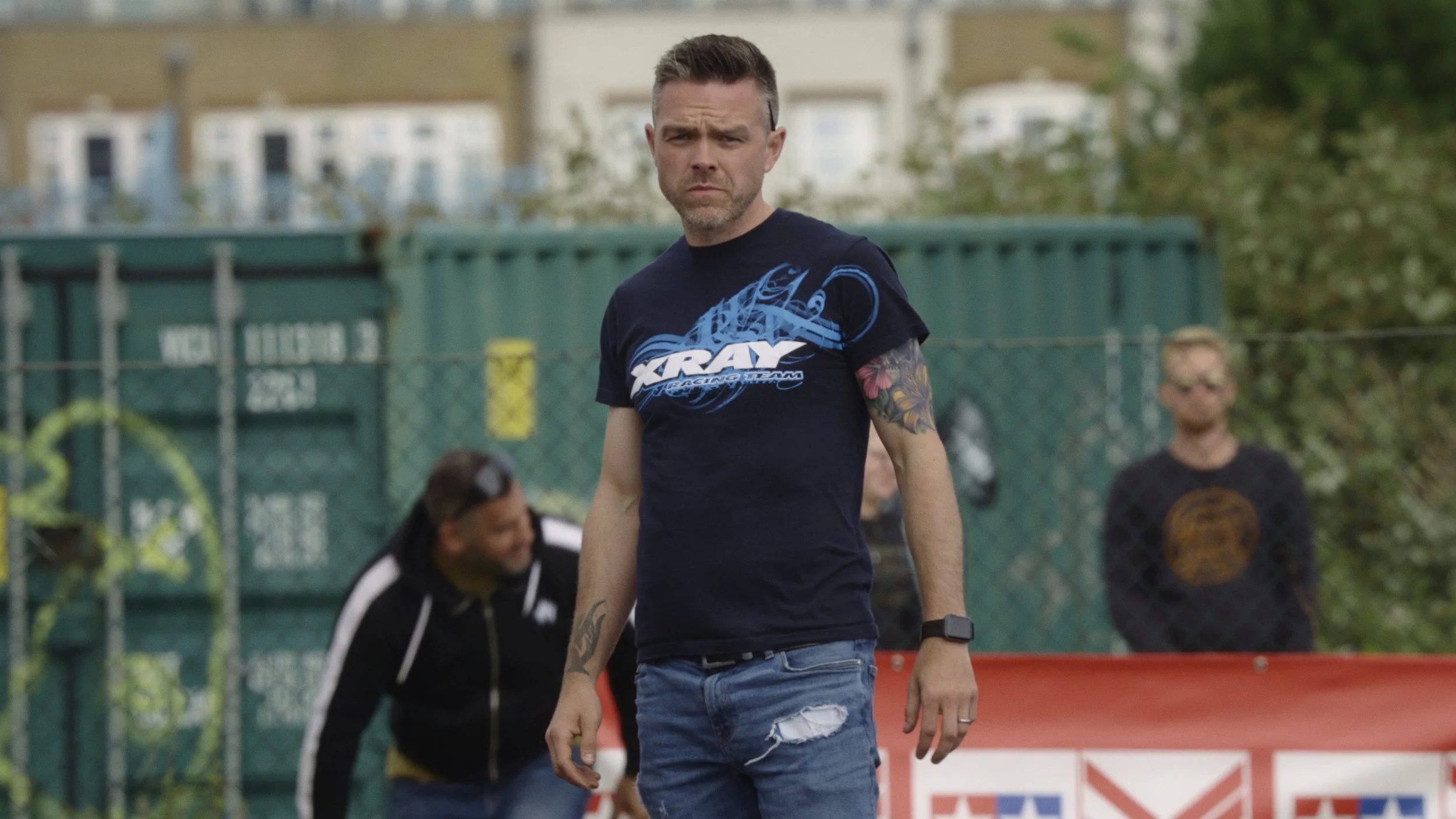
Peter was capturing beautiful portraiture, interviews, atmosphere and carefully observed details from around the pits. His work gave the sport a depth and visual quality you could see in an additional short film he made.
But we did not have a dedicated professional crew filming every race and all the on track action. In motorsport, the decisive moment does not wait for the camera. A move happens once. A mistake lasts half a second. A final can turn on an incident buried within five minutes of relentless speed.
We had cinematic images, compelling characters and a season beginning to take shape. But capturing the complete sporting narrative required more cameras, more people and more resources.
It was an ambitious production being built around a grassroots race series. That tension became part of the project too.
Looking at RC racing differently
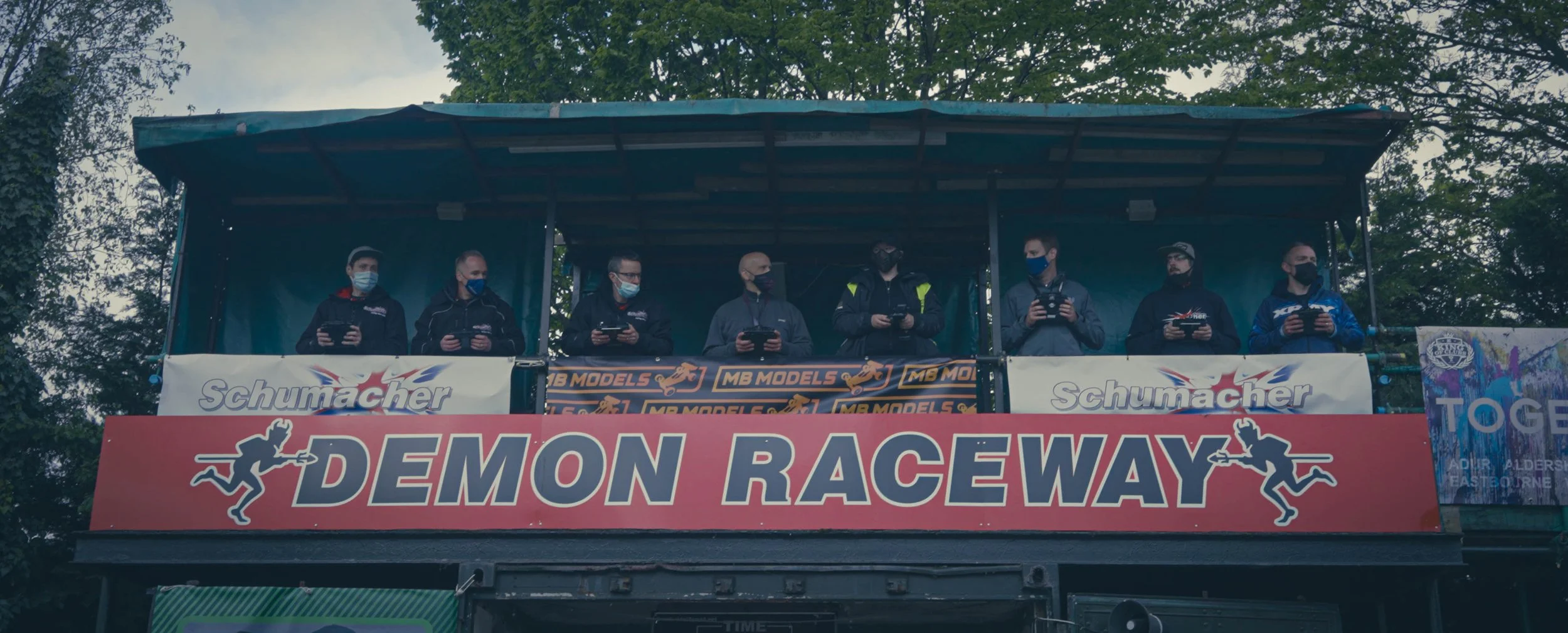
The film continued through the season, including Eastbourne. Watching it now, the racing results are only part of what remains.
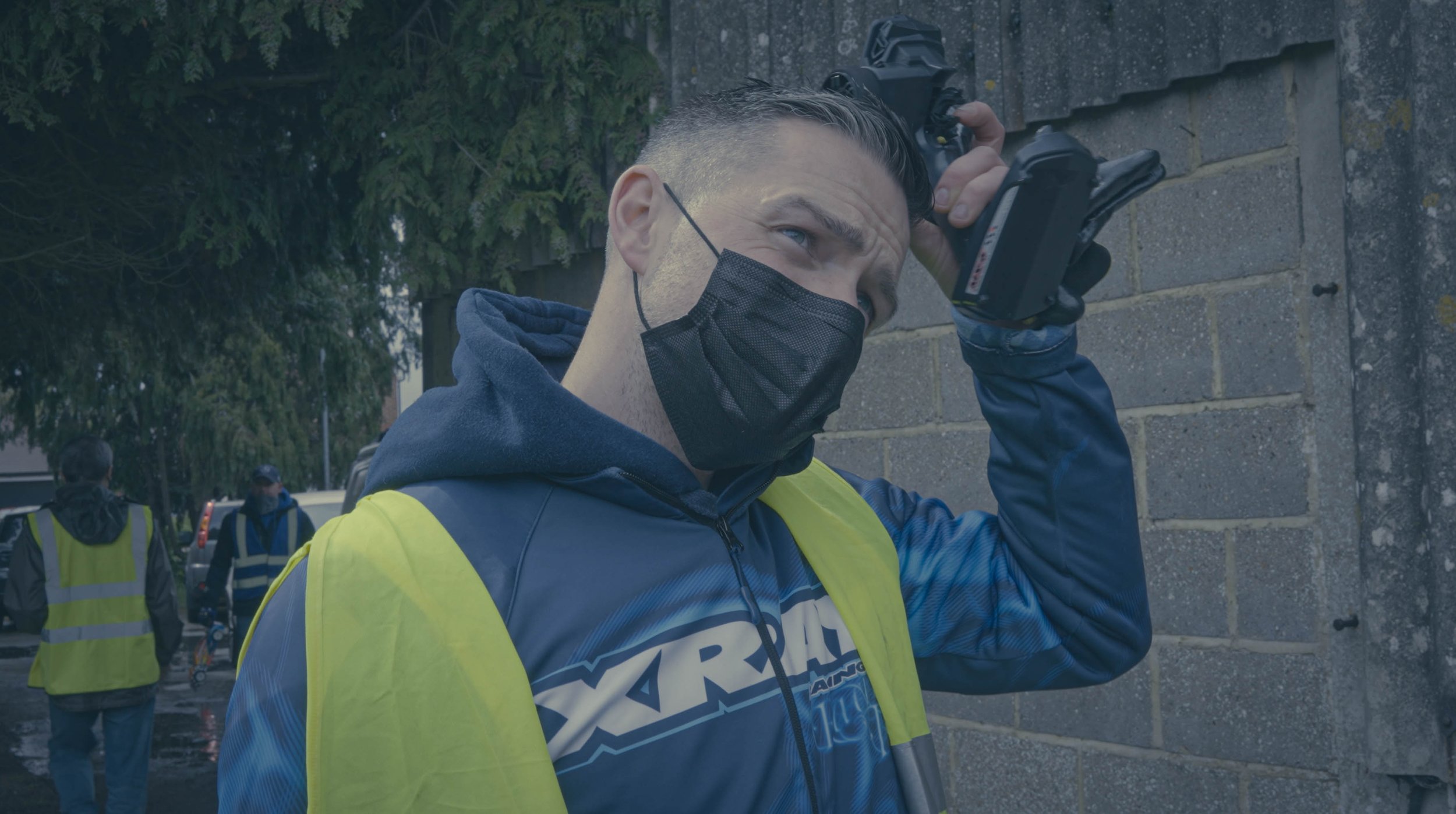
What stands out is Peter’s eye.
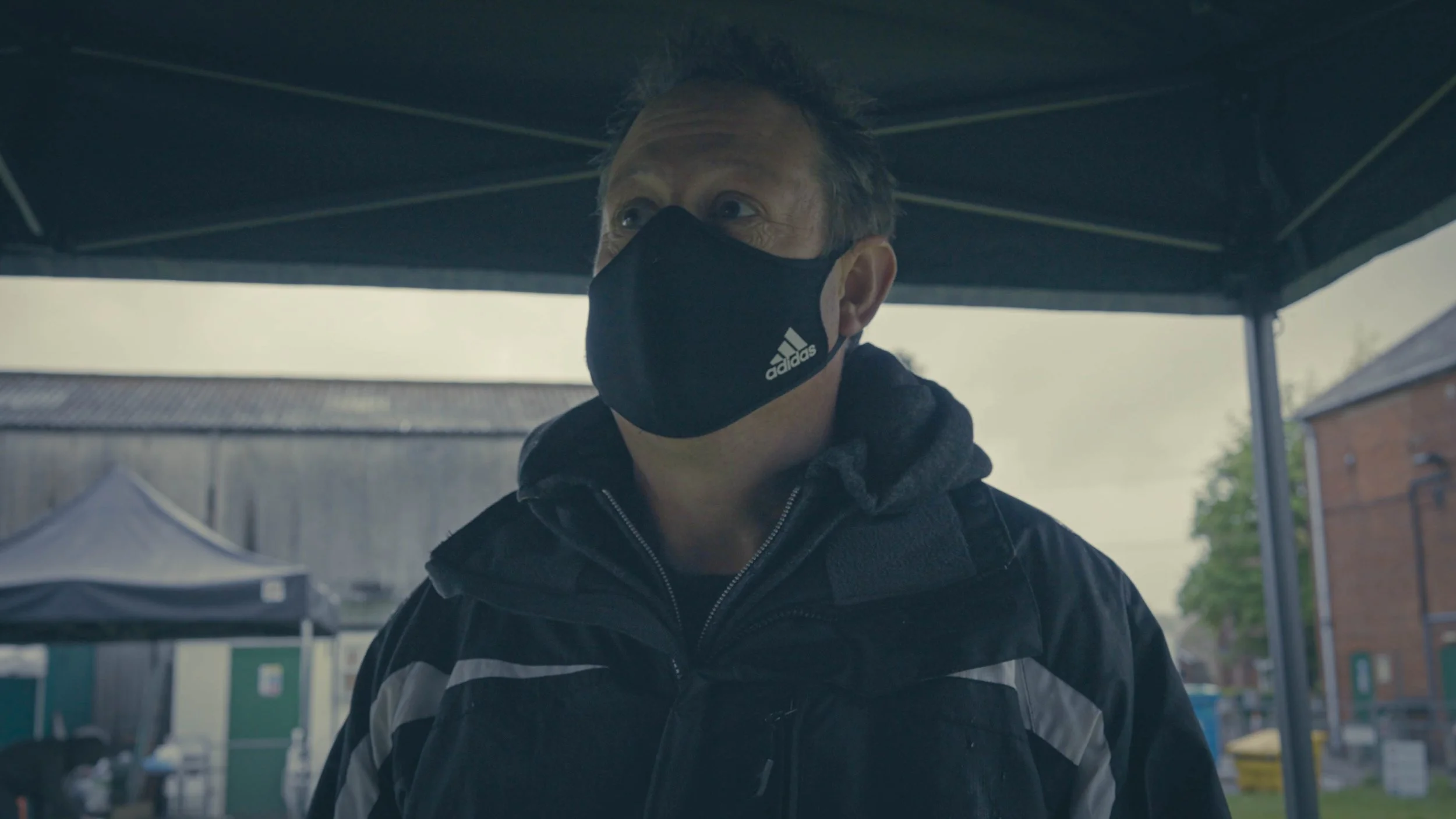
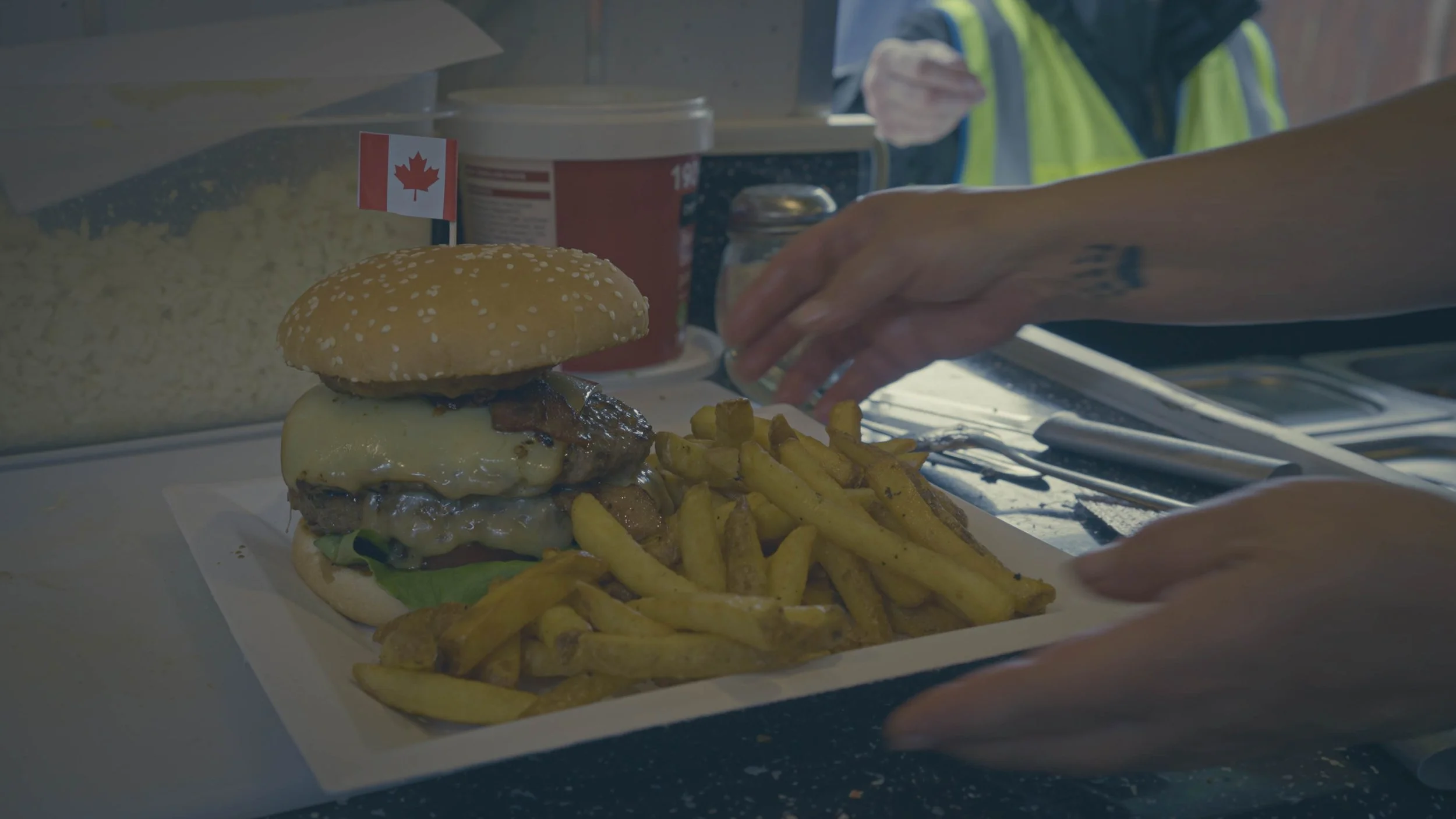
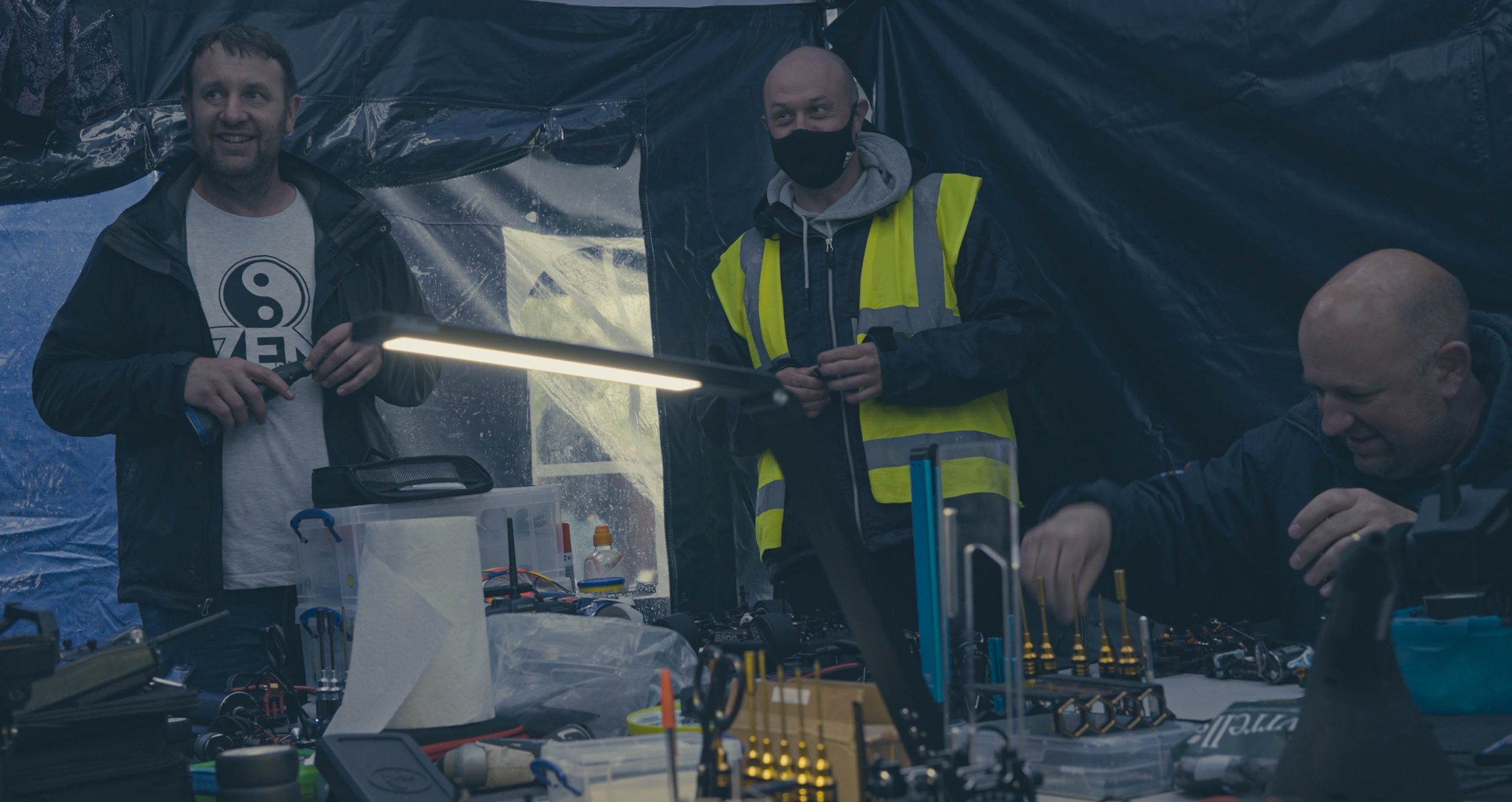
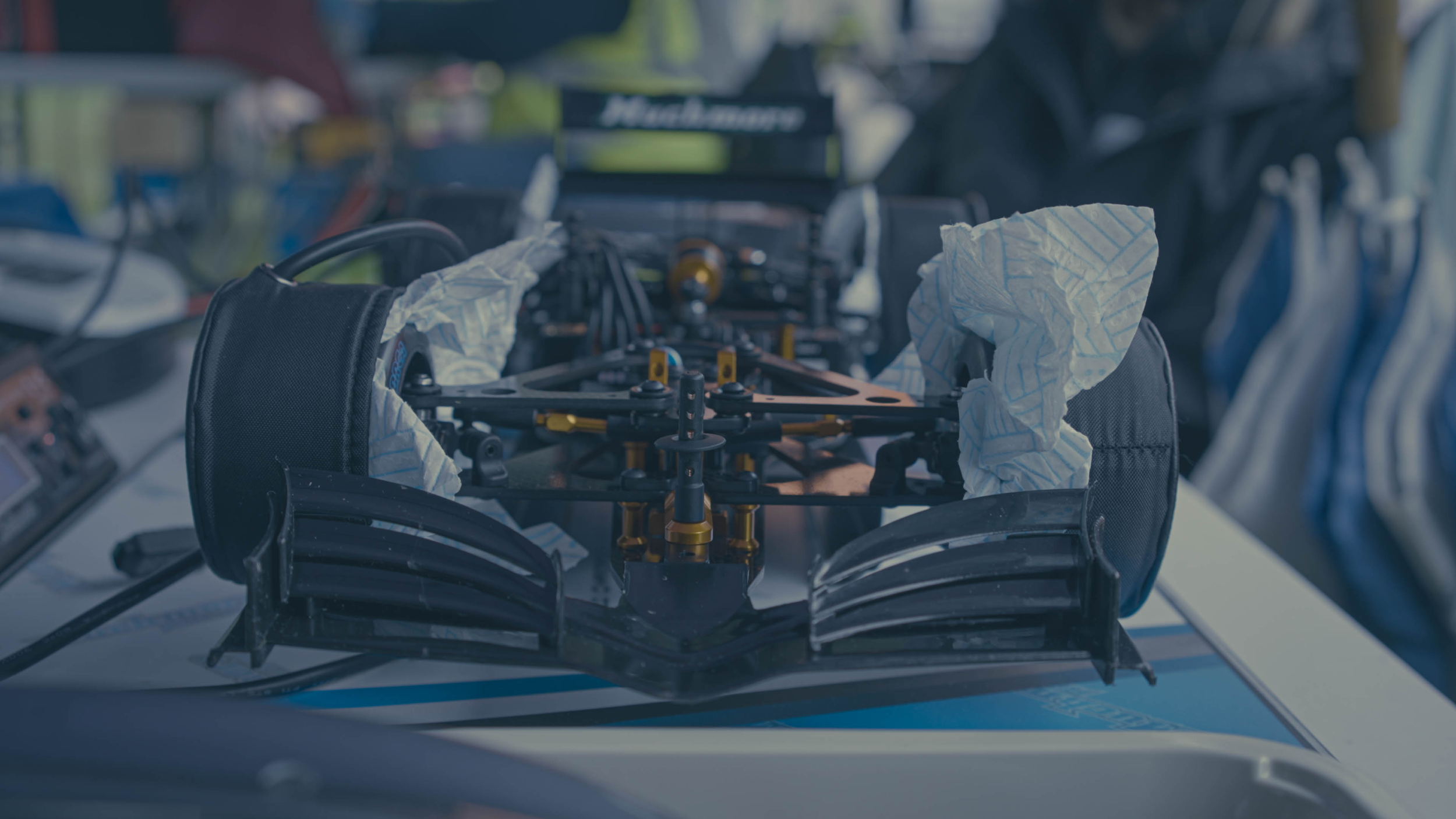
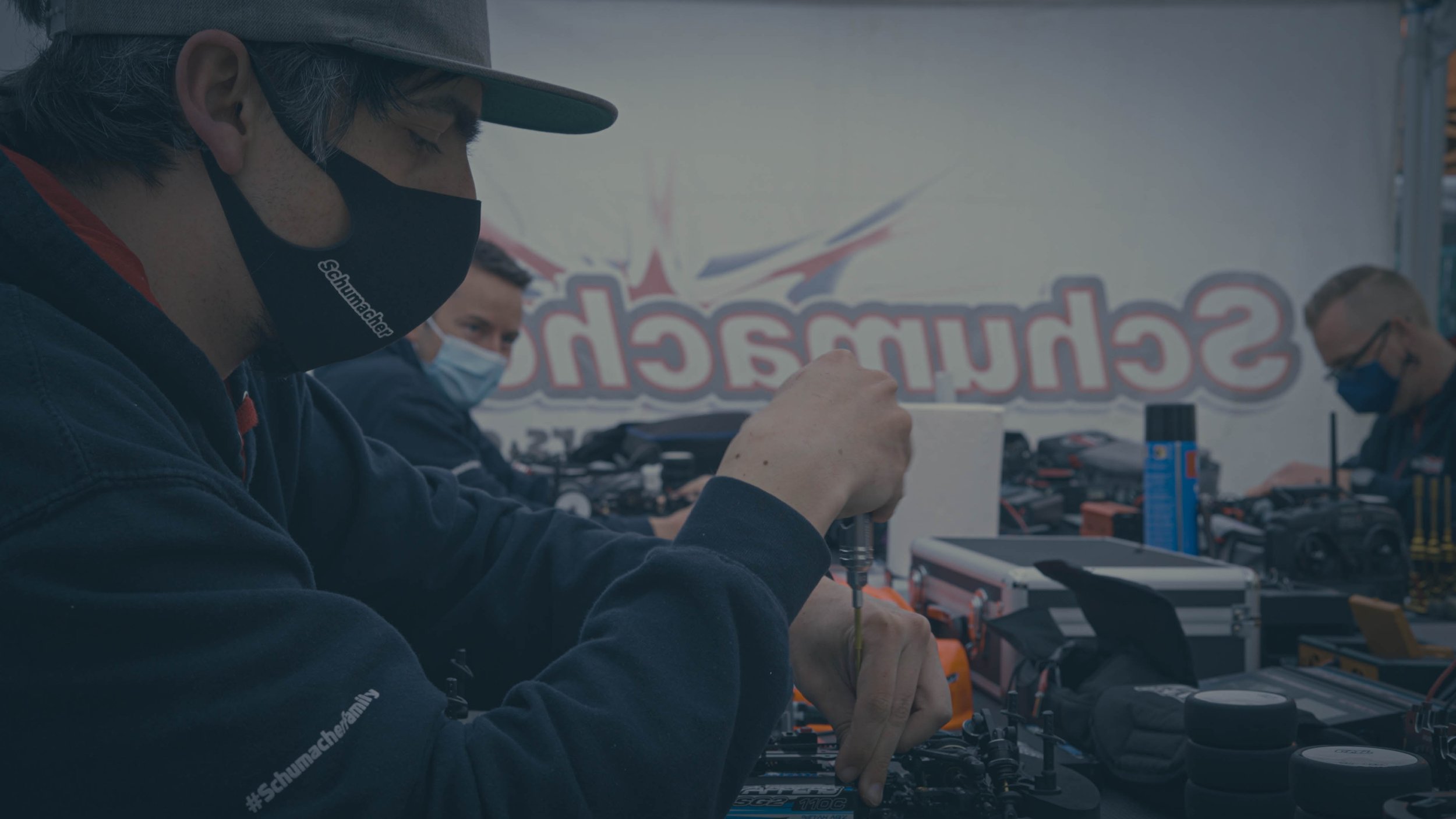
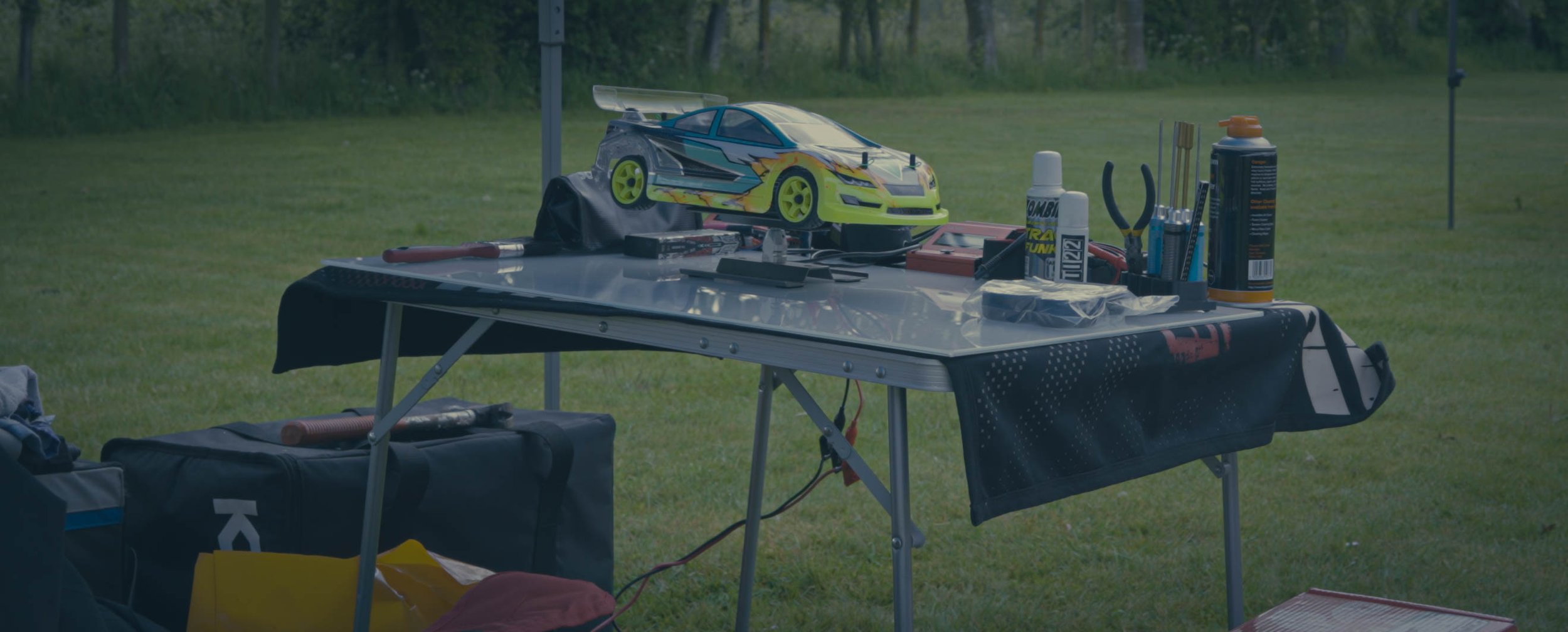
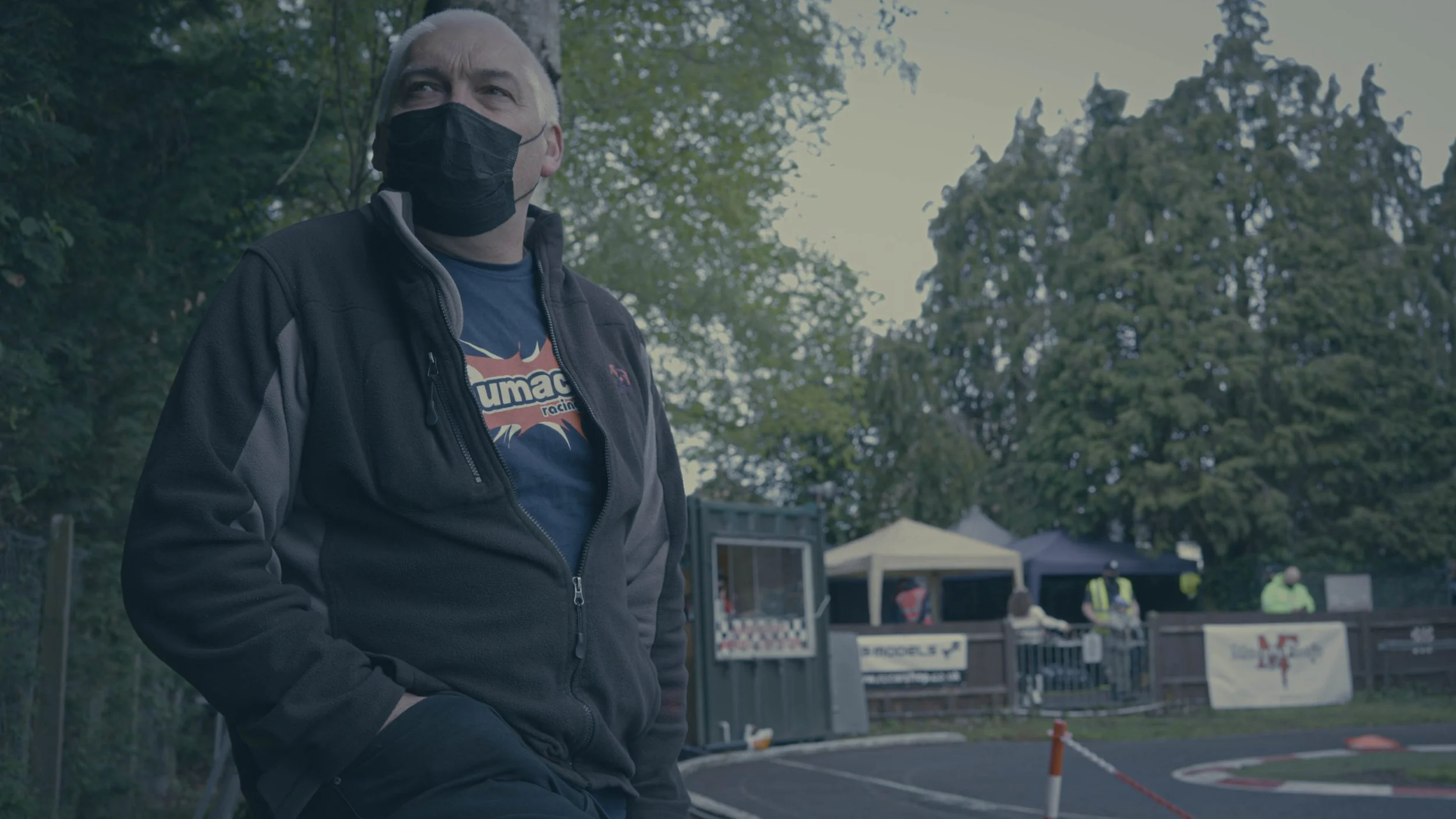
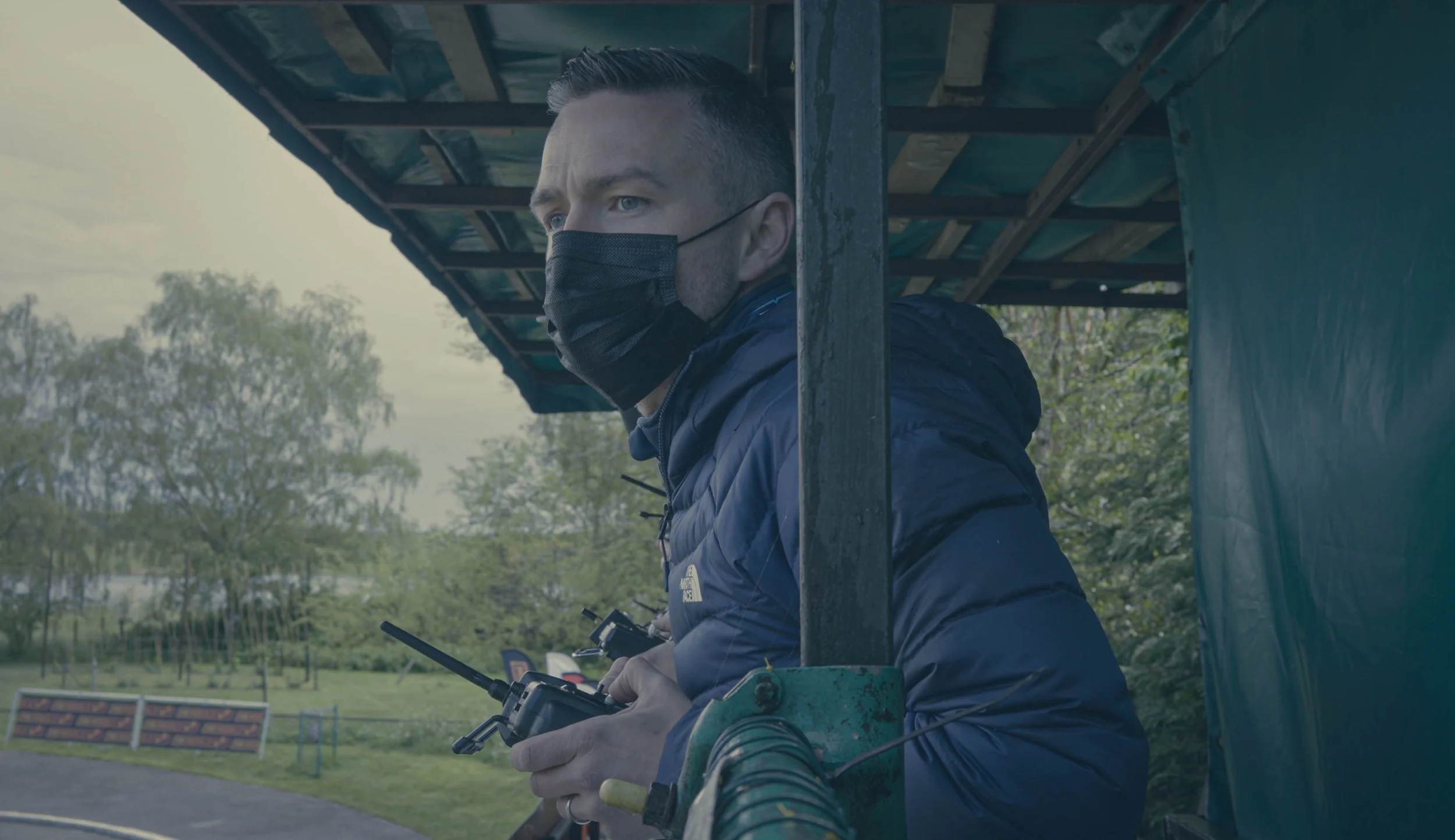
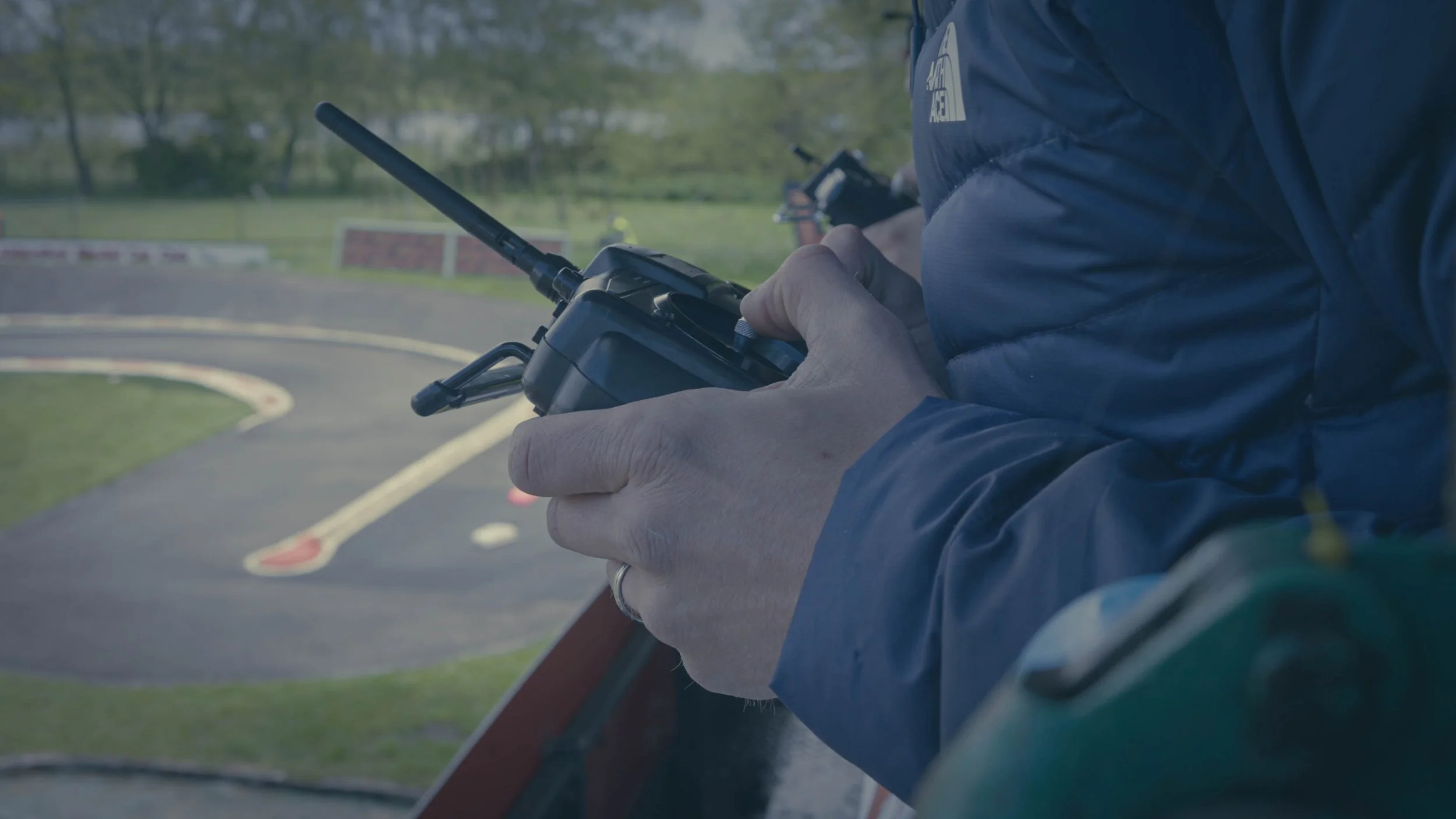
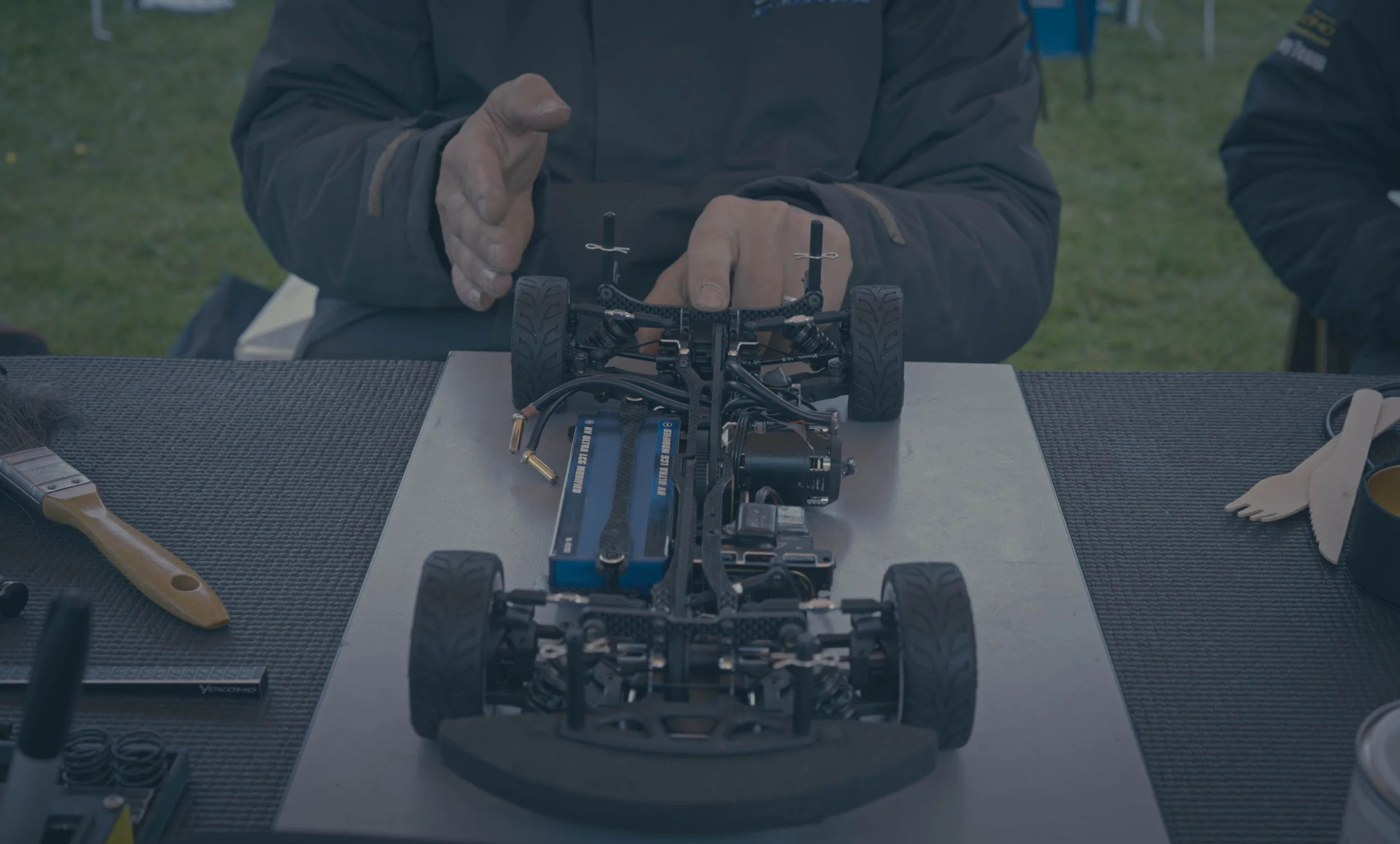
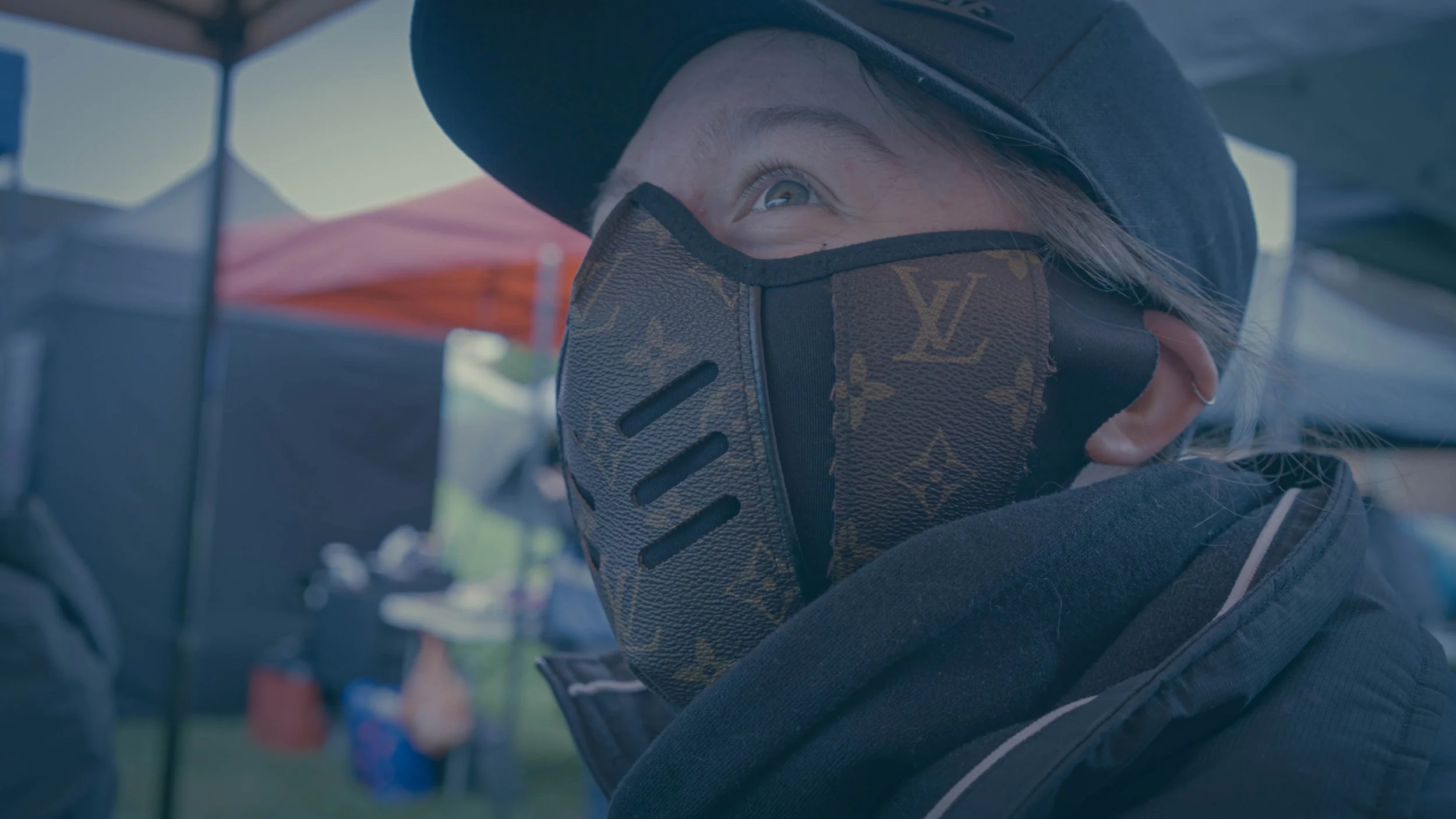
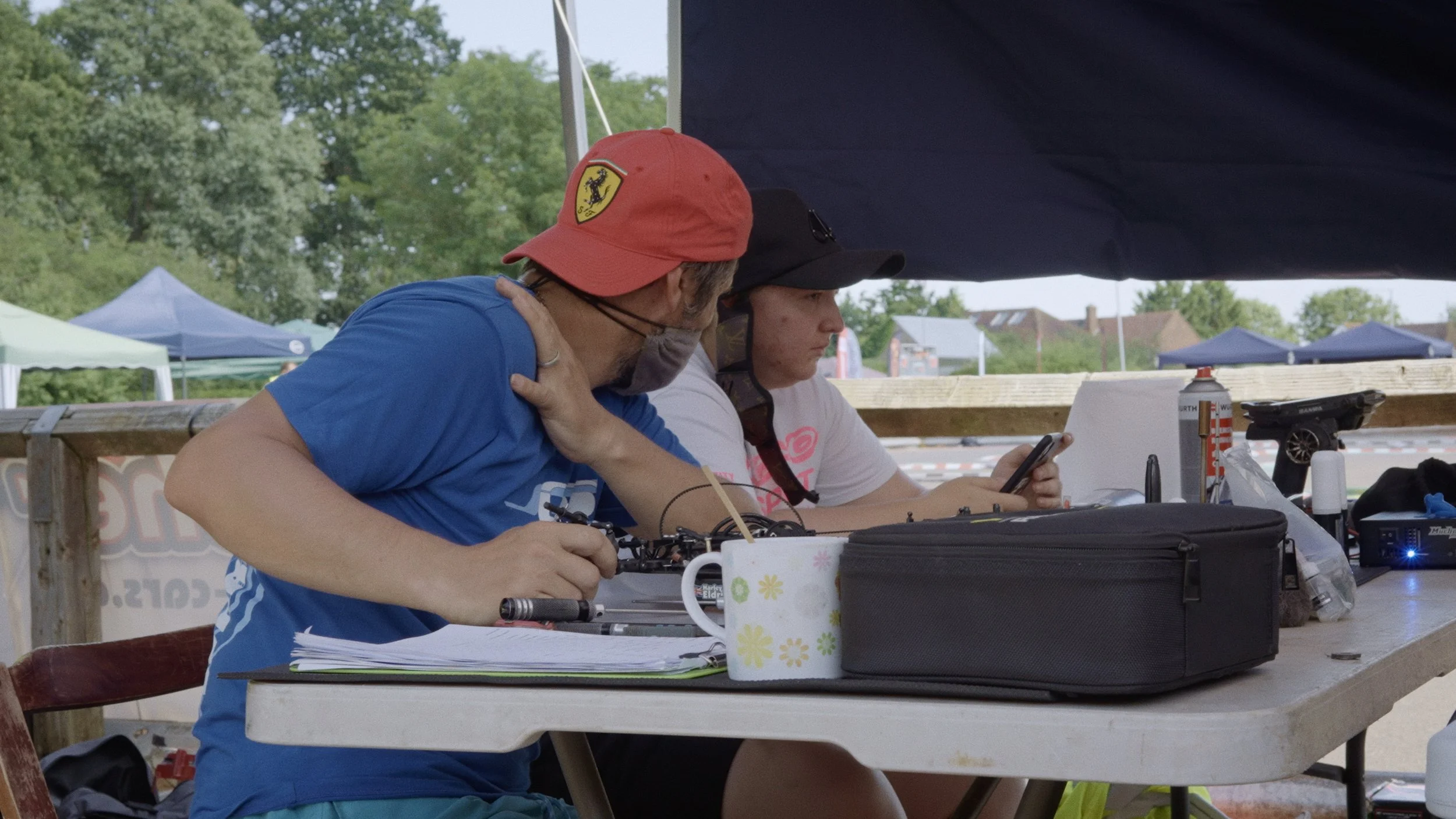
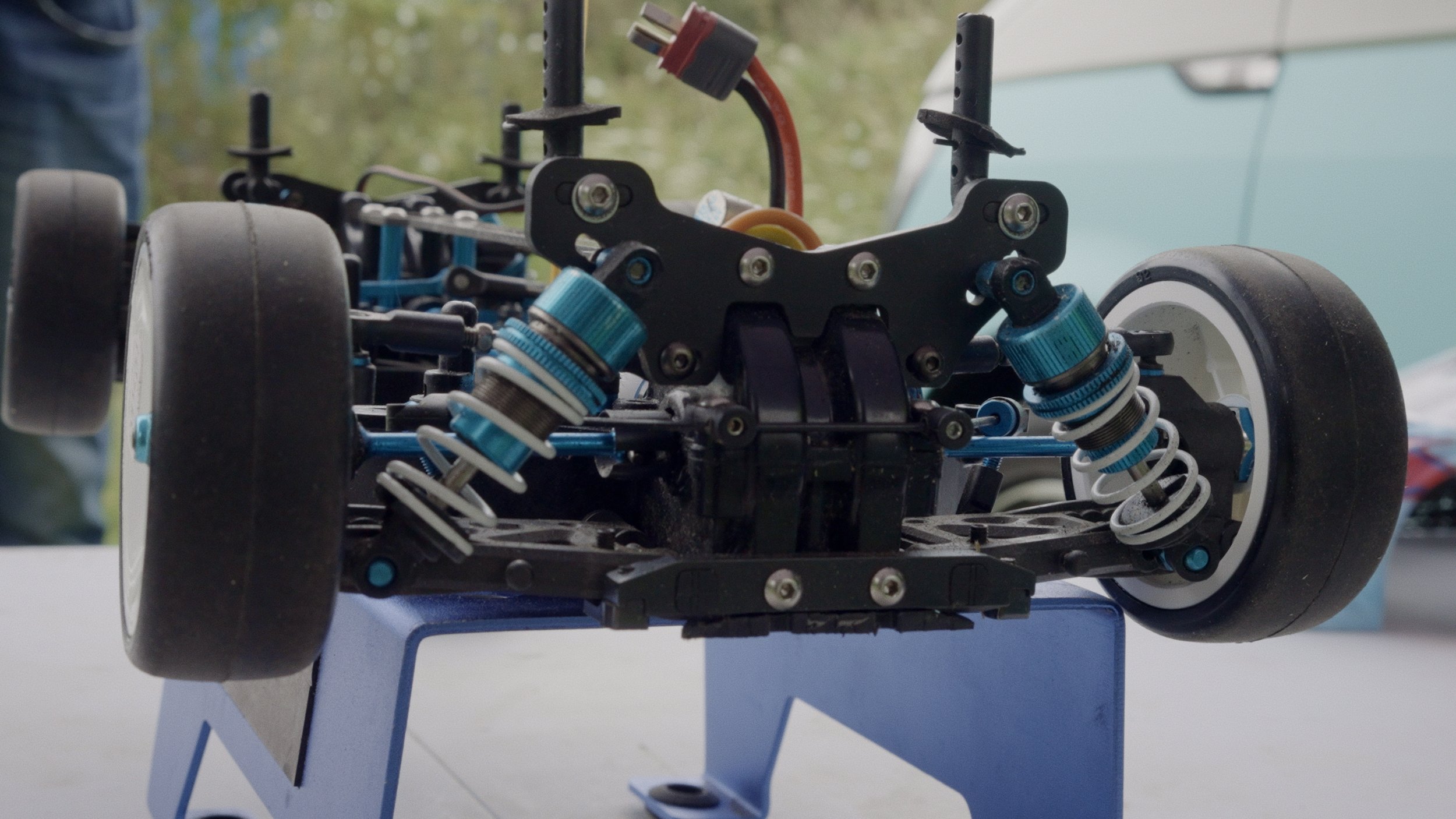
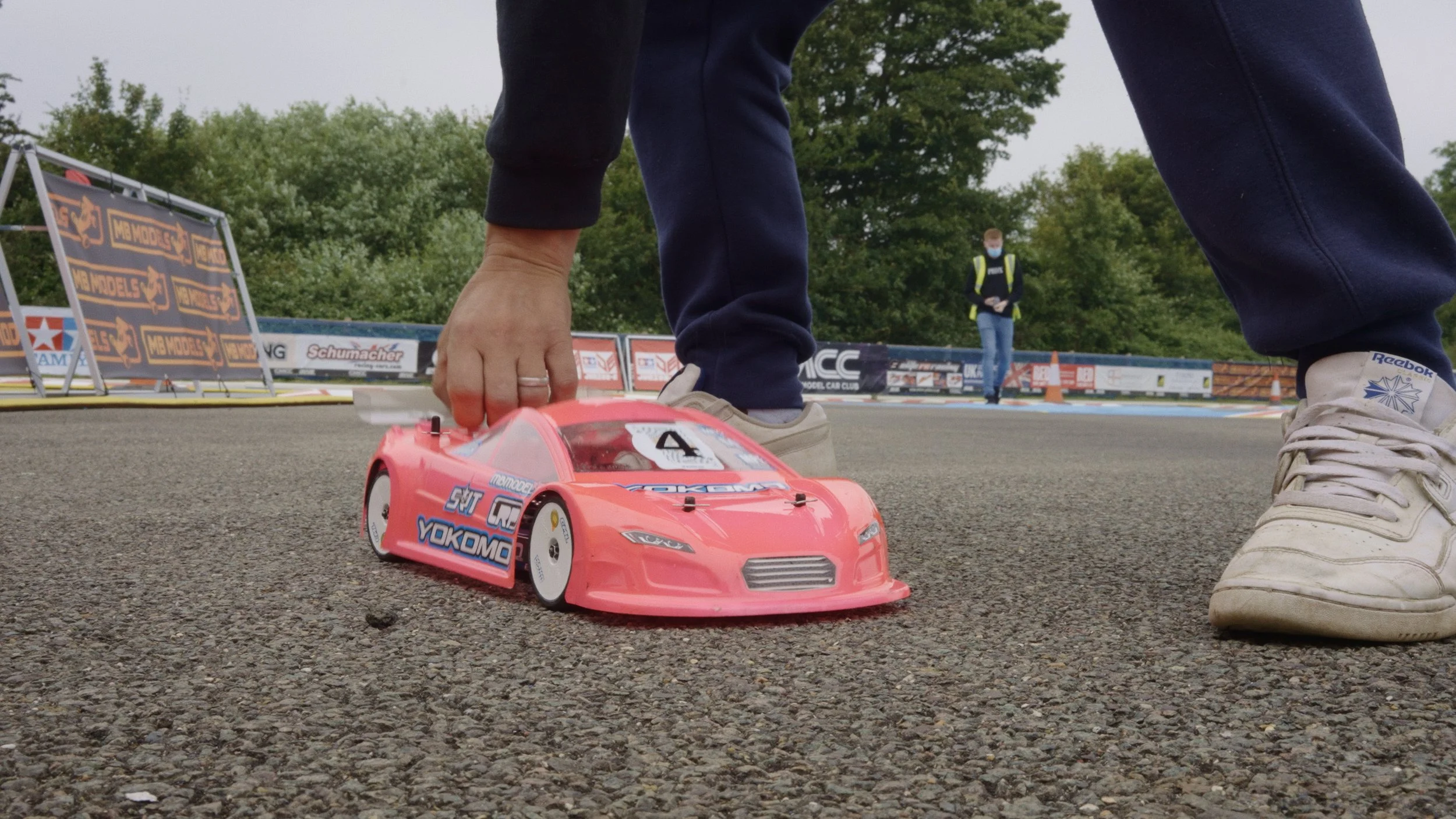
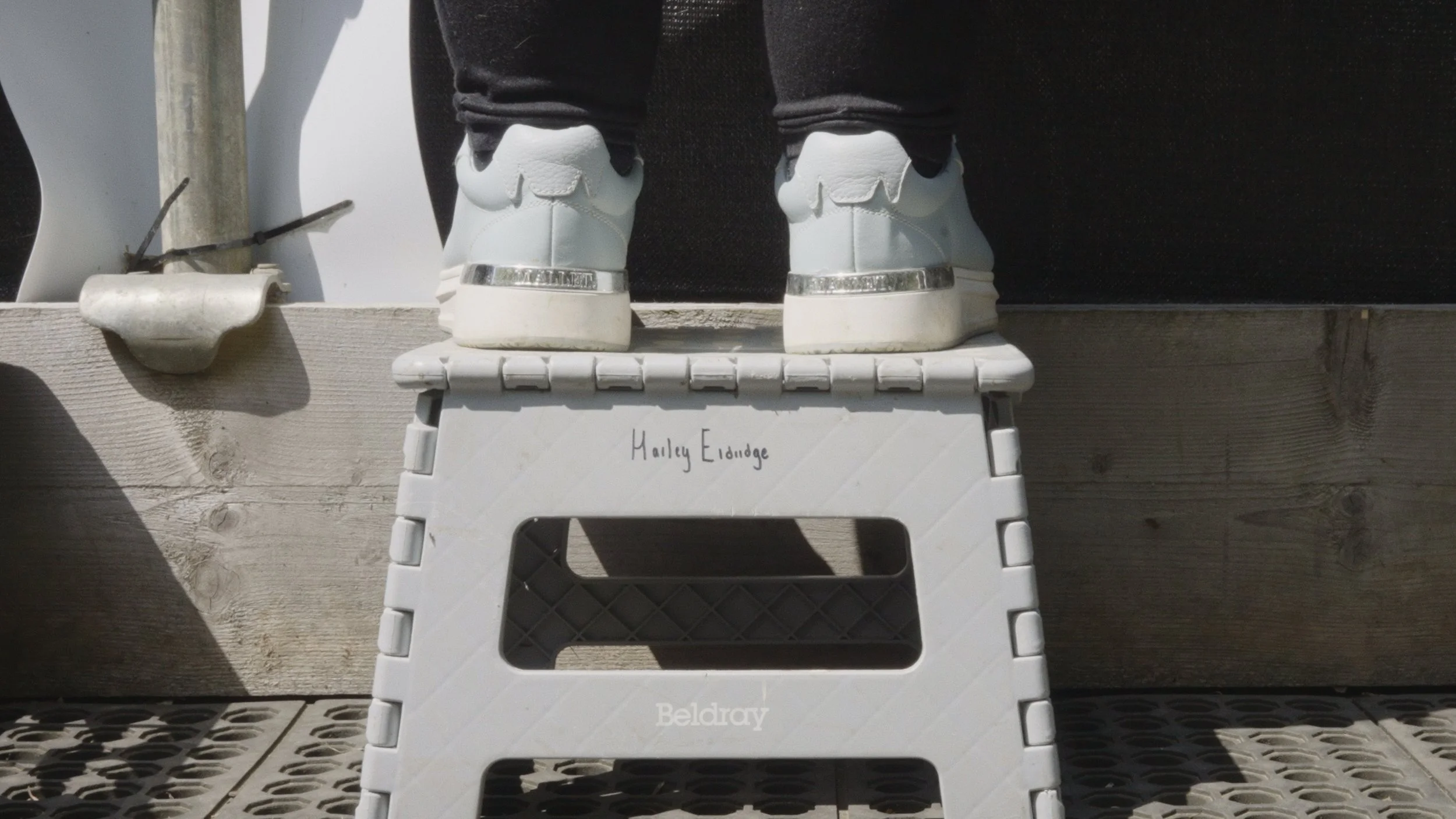
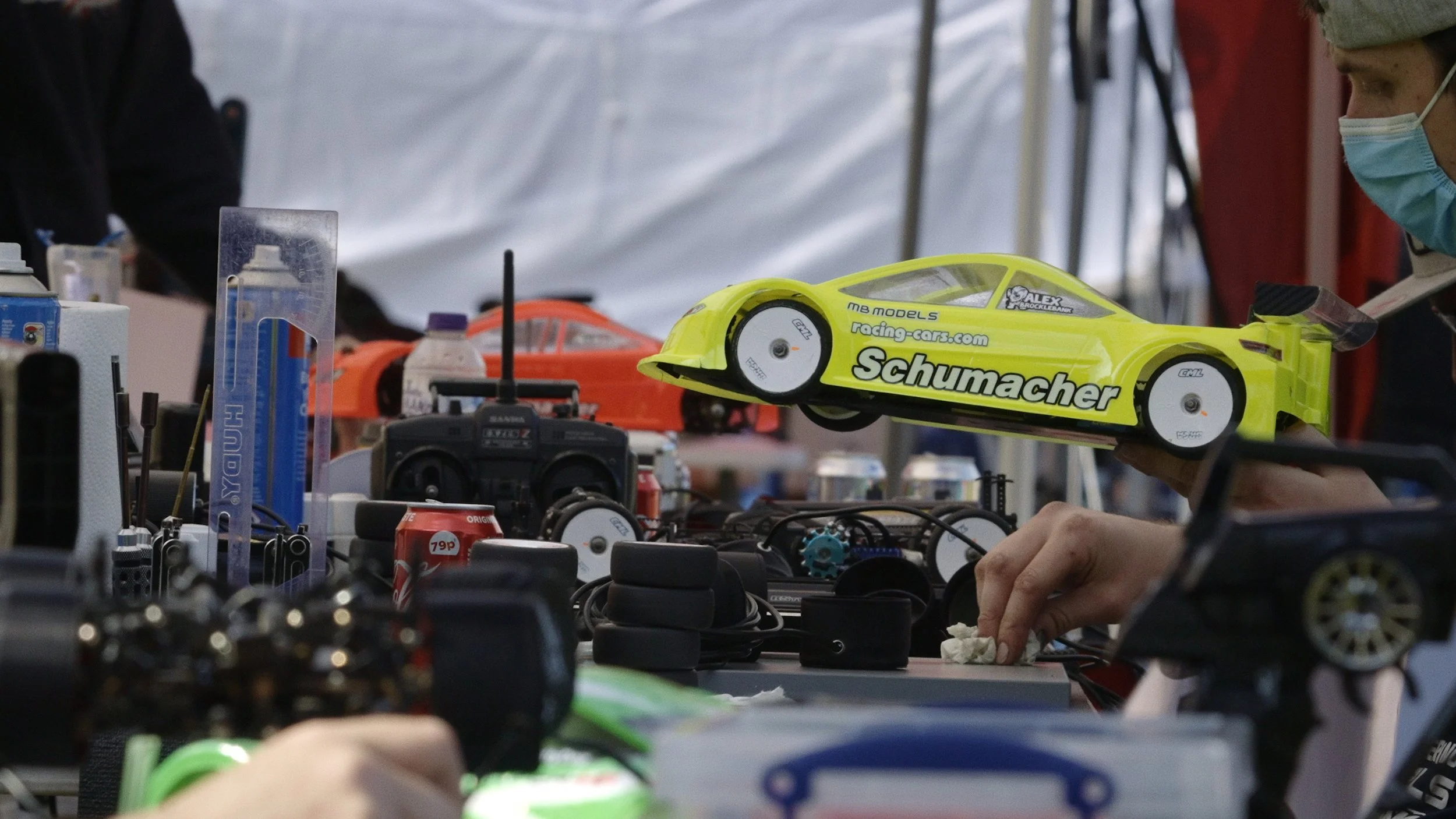
The close detail of hands working on a car. The concentration of a driver waiting for a race. The quiet moments between the noise. Tyres being prepared. Tools laid across a pit table. Faces changing as the pressure rises.
RC racing often struggles to explain itself to people outside the sport. From a distance, it can look like people playing with toy cars.
Peter’s work lifted that lid.
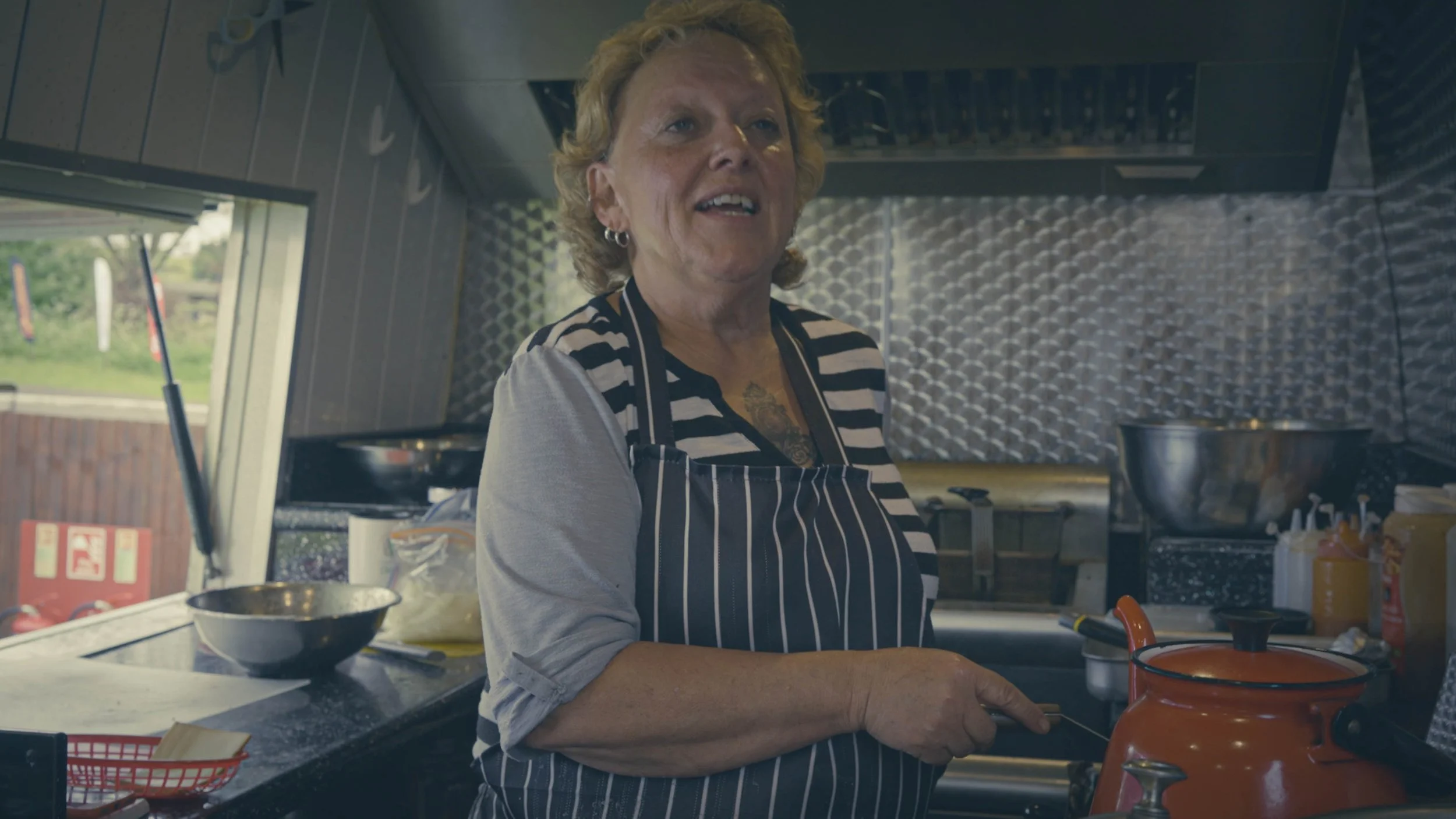
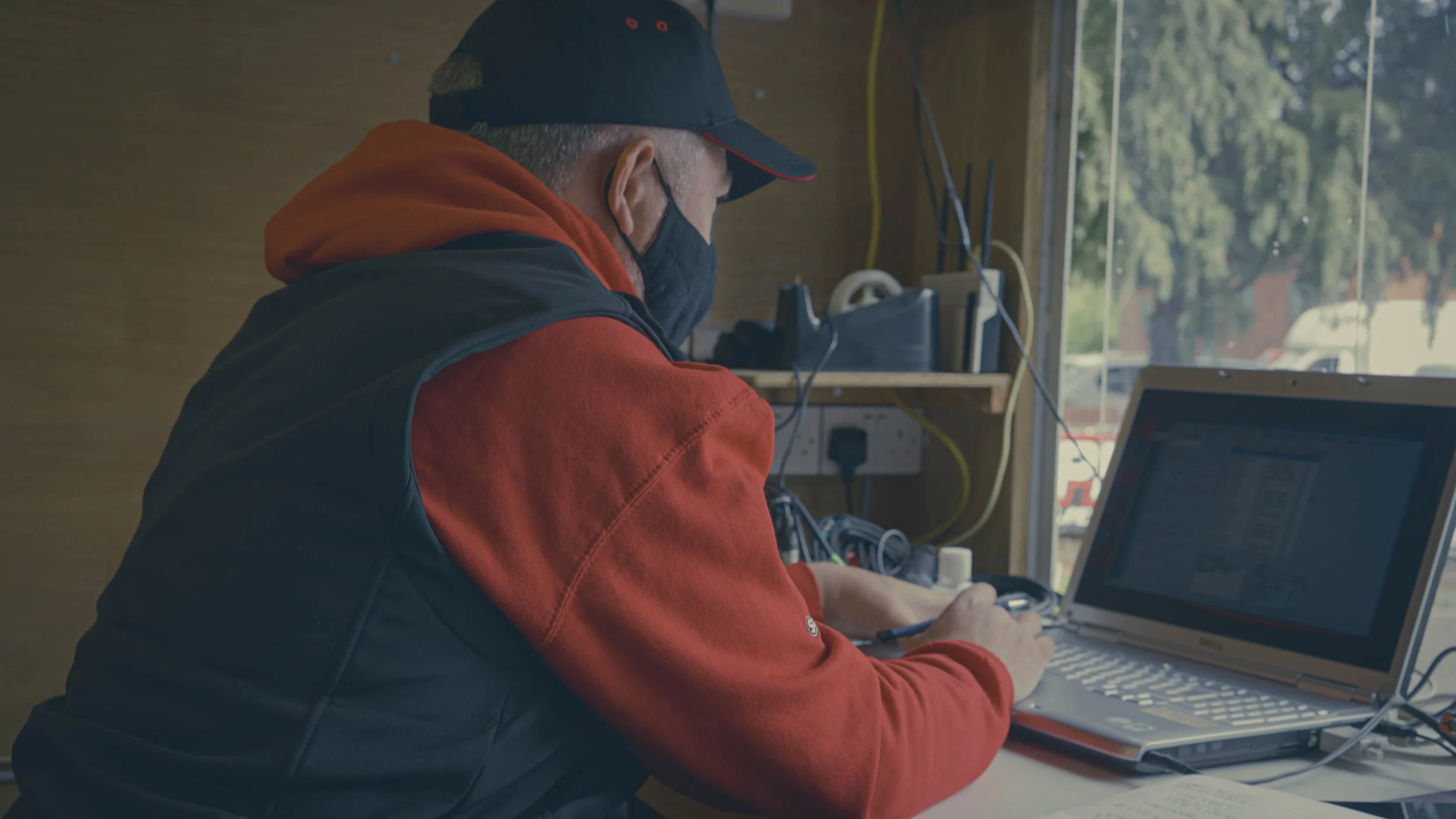
It showed the concentration, expertise and emotional investment. It found the scale of the drama without pretending the cars were full-sized. It treated the participants seriously, but never stripped away the eccentricity and intimacy that make the community what it is.
The film we made — and the film still waiting to be made
The completed documentary was not exactly the film imagined during those first conversations. Films rarely are.
A documentary changes when funding arrives. It changes when producers become involved, when the weather intervenes and when the season refuses to deliver a neat three act story. It changes when the realities of resources, time, access and production meet the scale of the original ambition.
But that does not diminish what was achieved.
Peter Hayes captured King of Clubs, its racers and its community with a distinctive cinematic style. Park the Bus helped bring that work into a finished sports documentary. Olly Jefferies, Harley Eldridge and Chris Grainger allowed the cameras into a part of their lives that competitors do not always reveal.
And King of Clubs provided the stage.
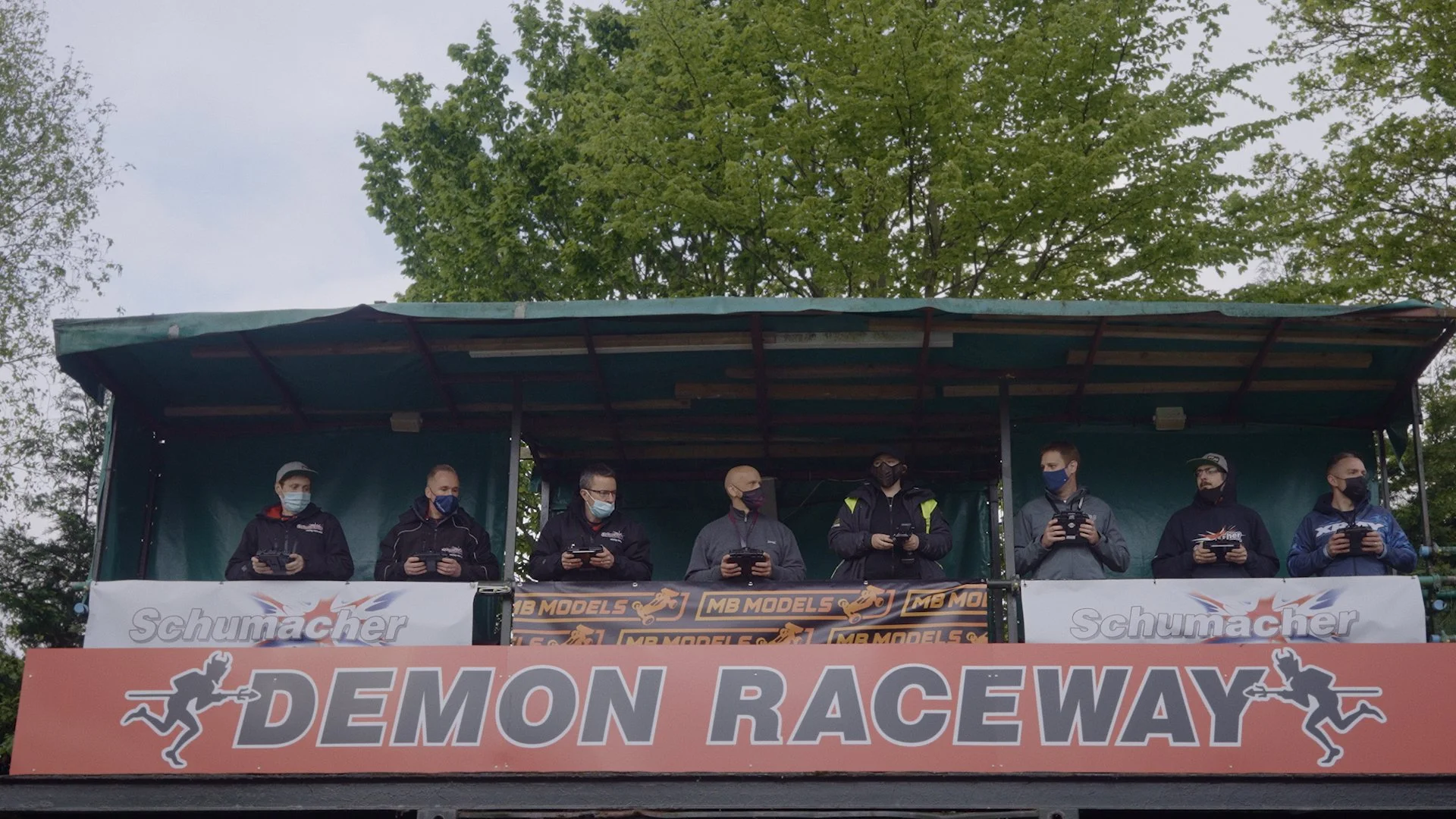
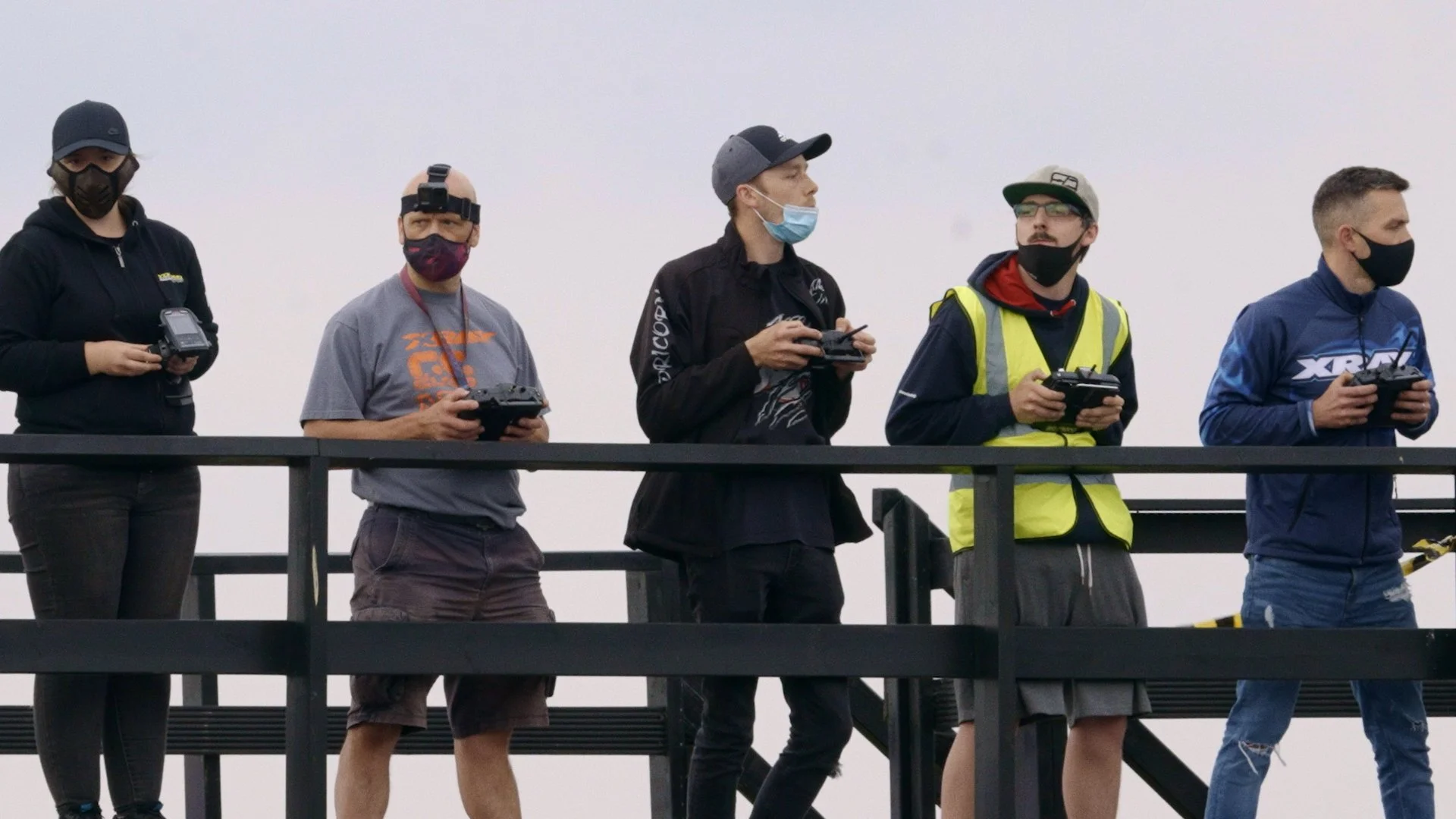
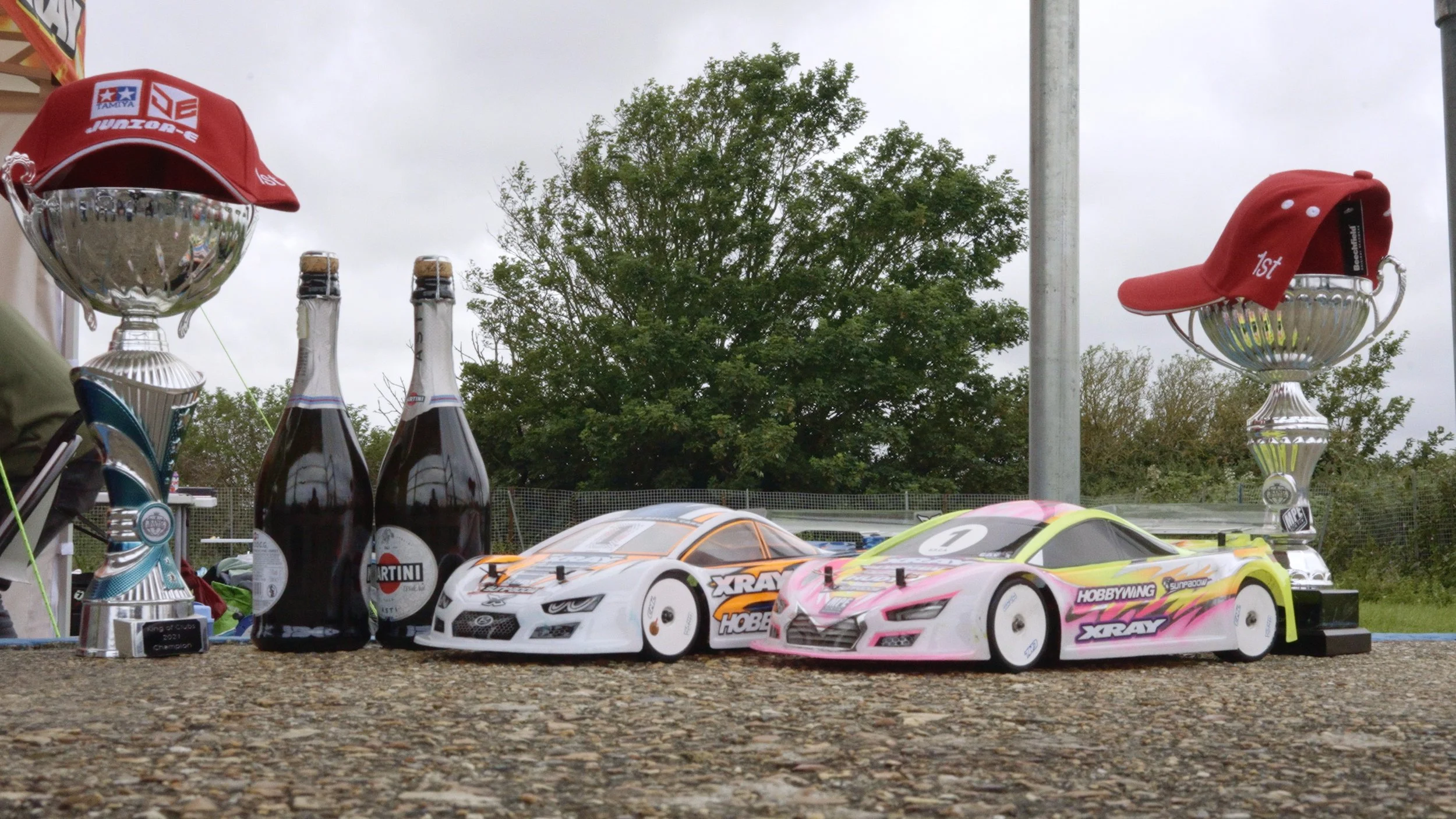
Looking through Peter’s production stills today, there is something striking about them.
Some show a championship still finding its feet. The branding is lighter. The event presentation is less developed. We were learning as we went, sometimes in difficult conditions and frequently with fewer resources than the ambition demanded.
Yet the ingredients were already there.
The speed. The personalities. The rivalries. The volunteers. The anticipation before a final and the release afterwards.
The strange, compelling world of people who spend enormous amounts of time making very small racing cars go fractionally faster.
Back at Eastbourne
Five years later, Eastbourne looked just like it did that day 5 years ago.
Racers still chase hundredths of a second. Volunteers still arrive early and leave late. Friendships and rivalries sit alongside one another. A five-minute race can still produce delight, frustration, controversy and relief.
It was also a reminder of what Peter saw when he first discovered RC racing by accident.
This is a small sport with a surprisingly large story.
For a few months in 2021, we tried to put that story on film.